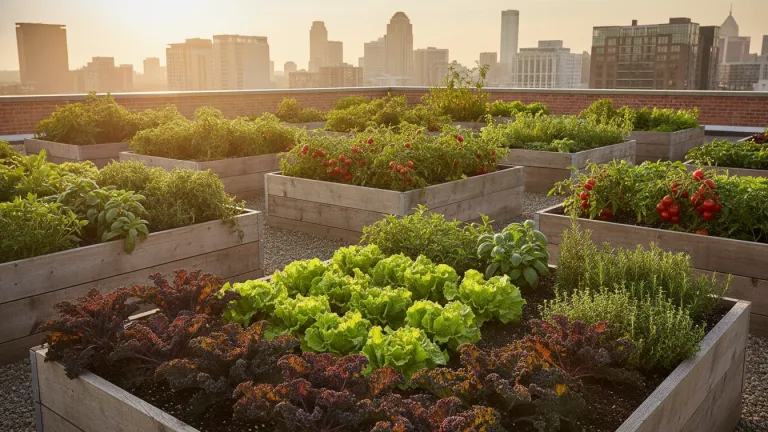
Urban Agriculture: How to Grow Food in Your City
Imagine picking a red, juicy tomato directly from your balcony before dinner, or seasoning your rice with fresh basil you planted yourself on your kitchen windowsill. Does it seem far from urban reality? It’s not. Urban agriculture is growing significantly around the world and is already transforming balconies, rooftops, backyards, and even apartment hallways into small productive spaces — restoring a closer relationship between the city and food, and between people and nature.
According to the Food and Agriculture Organization of the United Nations (FAO), more than 800 million people practice some form of urban or peri-urban agriculture worldwide. In Brazilian cities, initiatives such as community gardens, productive green roofs, and municipal urban agriculture programs are gaining momentum, driven both by growing interest in healthy eating and the need to make cities more resilient and sustainable. In 2026, with debates about food security and climate change more urgent than ever, growing food where you live has moved beyond being a hobby to become a political, ecological, and deeply personal choice.
This article is a practical invitation. Whether you live in an apartment or a house, have a lot or very little space, are a beginner or already have some experience, there are ways to start growing food in your city today. Let’s explore the benefits, methods, common mistakes, and a step-by-step guide to getting started with confidence.
Why Urban Agriculture Matters for the Planet
The conventional food chain is one of the sectors with the greatest environmental impact. Transporting food from producing regions to urban centers consumes fossil fuels, generates greenhouse gas emissions, and contributes to waste, as some food deteriorates before even reaching the consumer.
When you grow part of your food locally, you reduce — even on a modest scale — the demand on this system. Additionally, urban gardens contribute to local biodiversity by providing habitat for pollinators like bees and butterflies, species increasingly threatened by urbanization and pesticide use in rural areas. Deforestation in the Amazon and the expansion of agribusiness over native biomes are partly driven by pressure for more productive land. Strengthening local and diversified production is a way to resist this logic.
Urban gardens also help mitigate the so-called “heat island effect,” a phenomenon in which dense urban areas retain more heat than rural zones. Vegetation cools the environment through evapotranspiration, improves air quality, and even reduces surface runoff during rain, decreasing the risk of flooding during extreme weather events — increasingly frequent in Brazilian cities.
What Foods to Grow in Urban Spaces
The good news is that a surprising variety of foods adapts to urban cultivation, even in small spaces. Your choice should consider your city’s climate, the amount of available light, and the time you have to care for the plants.
Ideal plants for beginners in small spaces:
- Aromatic herbs: basil, parsley, chives, cilantro, mint, rosemary, and thyme. They grow well in small pots, require little care, and are very useful in the kitchen.
- Leafy greens: lettuce, arugula, spinach, and kale. They have a quick cycle (some ready in 30 to 45 days) and adapt well to environments with indirect light.
- Cherry tomatoes: compact varieties do well in larger pots (minimum 12 liters) and produce abundantly with good sun exposure.
- Chili peppers and bell peppers: hardy plants with long production and resistant to small temperature variations.
- Radishes: one of the fastest cycles in the plant kingdom, ready to harvest in about 25 days.
- Strawberries: surprisingly adaptable to pots and hanging planters.
If you have a backyard or access to a larger space, you can expand to squash, cucumbers, green beans, carrots, and even dwarf banana trees, depending on the climate.
Urban Cultivation Methods: Find What Works for You
There isn’t just one right way to do urban agriculture. Methods vary according to available space, budget, and desired level of involvement.
Container and Planter Gardening
This is the most accessible method and the natural starting point for apartment dwellers. Any container with drainage holes can work — from store-bought pots to cans, wooden crates, and reused PET bottles. Always use quality substrate (potting soil mixed with organic compost) and ensure the location receives at least four hours of direct sunlight per day.
Vertical Gardens
A smart solution for those with little horizontal space. Wooden pallets, PET gutters fixed to the wall, felt bags, or metal structures allow you to grow various species vertically, taking advantage of walls and railings. Works very well for herbs and leafy greens.
Home Hydroponics
Soilless cultivation using nutrients dissolved in water has become rapidly popular among urban dwellers. Simple hydroponic systems can be assembled with accessible materials and take up little space. Plants grow faster with lower water consumption than conventional cultivation — an advantage in cities where water resources are contested.
Community Gardens
For those without space at home, community gardens are a powerful alternative. Many Brazilian municipalities maintain programs to support this type of initiative. Beyond producing food, these spaces create social bonds, strengthen communities, and promote environmental education — especially among children.
Step by Step: How to Start Your Urban Garden Today
If you’re a beginner, start small and expand as you gain confidence. This step-by-step guide was designed for those with little space and zero previous experience.
- Assess your available space: Observe how many hours of sun your balcony, window, or backyard receives per day. Full sun (more than six hours) allows you to grow most vegetables; partial shade (four to six hours) is sufficient for leafy greens and herbs.
- Choose your first plants: To start, select two or three easy species. Chives, lettuce, and cherry tomatoes make a good initial combination for those with available sun.
- Prepare your containers: Choose pots appropriate to the size of each plant. Make sure there are holes at the bottom for drainage. Fill with potting substrate mixed with organic compost or worm castings.
- Plant seedlings or seeds: Seedlings purchased from nurseries are easier for beginners. Seeds require a bit more patience but cost less. Follow package instructions regarding planting depth.
- Establish a watering routine: Most vegetables in pots need to be watered daily during hot months and every other day during cooler months. Always water in the morning and avoid wetting the leaves to prevent fungal diseases.
- Start composting: Your kitchen’s organic waste can become high-quality fertilizer. A home composter (even a small one, in an apartment) closes the cycle and drastically reduces the volume of waste discarded.
- Observe, learn, and expand: Pay attention to how plants respond. Yellowing leaves may indicate nutrient deficiency; dark spots, excess water. Over time, you’ll develop a keen eye and gain confidence to grow more species.
Common Mistakes and How to Avoid Them
Even with good intentions, some stumbles are common among beginners. Knowing them in advance saves frustration.
- Overwatering: this is the number one cause of plant death in containers. Before watering, check if the soil is still moist two centimeters deep.
- Choosing pots that are too small: roots need space. Tomatoes, for example, require pots of at least 12 to 15 liters.
- Ignoring sunlight: don’t underestimate the importance of sun. A plant that needs full sun placed in shade will produce little and become susceptible to diseases.
- Using pure garden soil in pots: it compacts easily and impairs drainage. Always mix with substrate specific for containers.
- Giving up after the first failure: every plant that dies teaches something. Adjust what’s necessary and try again.
Urban Agriculture and Reducing Your Ecological Footprint
Growing your own food is one of the most concrete ways to reduce your individual ecological footprint. Every time you harvest a bunch of parsley from your garden instead of buying one wrapped in plastic from hundreds of kilometers away, you’re making a choice that matters — even if it seems small.
Combined with other sustainable daily practices, the urban garden composes a more conscious and connected lifestyle. Better understanding how to calculate and reduce your ecological footprint can help you identify other areas of your life where small changes generate great impact.
Additionally, the garden teaches something beyond sustainability: it reconnects people with the natural cycles of life, with patience, with observation. In an increasingly fast-paced and digital world, growing a tomato is also an act of presence and care.
Conclusion: Your City Can Be Greener — and You’re Part of It
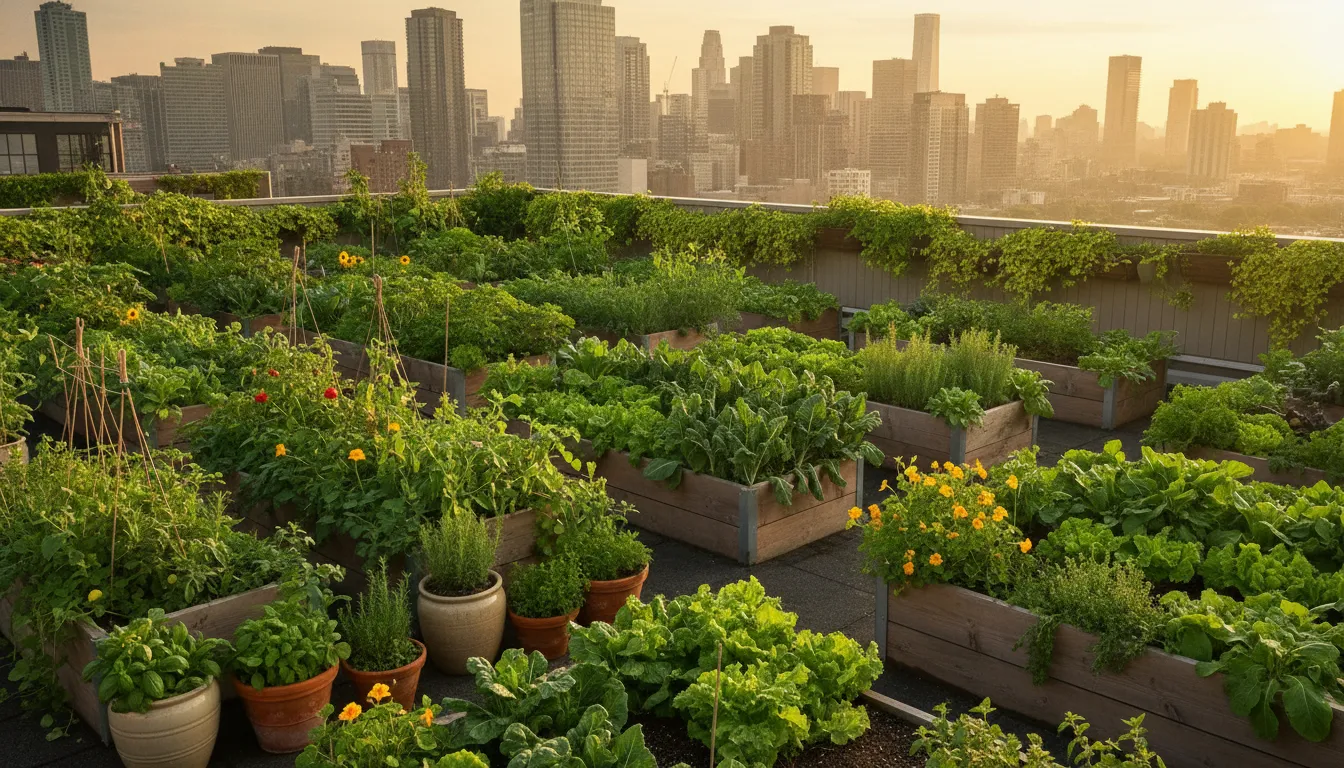
Urban agriculture won’t replace rural farming nor solve global food security challenges on its own. But it’s an important piece of a larger puzzle that includes conscious consumption, waste reduction, valuing local producers, and respecting natural ecosystems.
What’s within your reach right now is to start. A pot of chives on the windowsill is already a beginning. A planter of lettuce on the balcony is already a garden. A composter in the laundry room cabinet is already a closed cycle. Every small gesture counts, especially when practiced by thousands of people in cities.
Plant something today. Care for it. Watch it grow. And share this experience with those who live near you — because the most powerful transformation starts in the neighborhood.
