What’s at stake when a species disappears
Have you ever stopped to think that the breakfast you had today depended on bees? Or that the medicine in your pharmacy might originate from an Amazonian plant? Biodiversity is behind things as everyday as your food, your health, and even the water from your tap. When it weakens, so do these things.
The IUCN Red List (International Union for Conservation of Nature) shows that more than 44,000 species face some level of extinction threat worldwide. Brazil, which harbors about 20% of all planetary biodiversity according to the Ministry of Environment and Climate Change, feels this problem directly. We are the country with the greatest number of species in absolute terms, and also one that most needs to mobilize to protect them.
By the time you finish reading this article, you’ll understand what biodiversity really is, why it matters to your daily life, and what you can do now—whether living in an apartment or house, in a big city or small town—to contribute to its protection.
What is biodiversity, simply explained
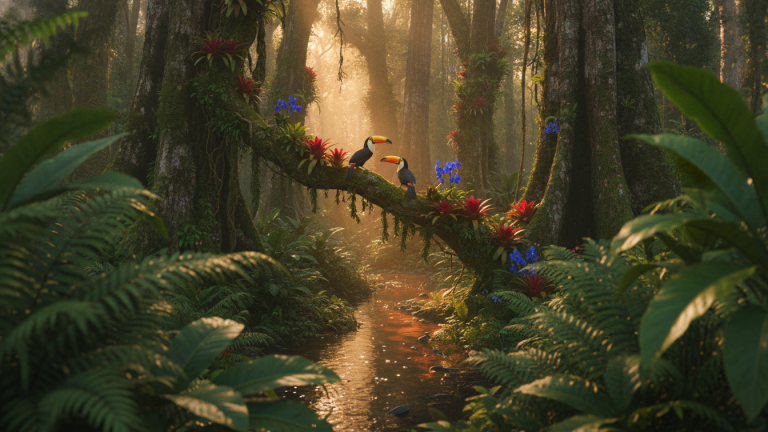
Biodiversity is the variety of life on Earth. Not just the beautiful animals from documentaries. It includes plants, fungi, bacteria, insects, microorganisms in the soil, and everything else that forms the ecosystems around us. It’s the entire web, not just the threads that catch our attention.
There are three main levels:
- Species diversity: the variety of animals, plants, fungi, and other organisms.
- Genetic diversity: the differences within the same species, which allow adaptation and disease resistance.
- Ecosystem diversity: forests, savannas, mangroves, restingas, rivers, seas—each with its own function.
When we talk about biodiversity loss, we’re talking about the weakening of these three levels at the same time. A forest that loses tree species becomes more vulnerable to pests. A crop with little genetic diversity can be devastated by a single disease. The domino effect is real.
Why biodiversity sustains your daily life
Imagine the Cerrado, which covers more than 20% of Brazilian territory according to IBGE data. It is responsible for recharging the aquifers that supply a significant portion of cities in the Center-West and Southeast. Without native vegetation that holds and filters rainwater, these groundwater tables shrink. This affects your water bill and the quality of what you drink.
Pollination is another direct example. Bees and other pollinating insects are responsible for the reproduction of much of our food crops. Embrapa estimates that one-third of what we eat depends on pollinators. Tomatoes, apples, cashews, passion fruit, coffee—all need them. The decline of wild bees, driven by pesticide use and habitat loss, is a concrete threat to food security.
Ecosystem services, as scientists call them, also include:
- Natural pest control by predators like bats and birds.
- Climate regulation by trees, which reduce urban heat islands.
- Hillside protection by roots that prevent landslides.
- Pharmaceutical production: according to the UN/UNEP, a significant portion of modern medicines originates from compounds found in living organisms.
Reducing single-use plastic is one way to protect these ecosystems, since plastic is one of the main contaminants of rivers and oceans. If you want to know how to start at home, check out less plastic at home: simple changes that work.
The main causes of biodiversity loss in Brazil
The Intergovernmental Science-Policy Platform on Biodiversity and Ecosystem Services (IPBES) report, published in 2019 and still the central reference for global policies, identified five major causes of biodiversity loss worldwide. In Brazil, they manifest in specific ways.
1. Land use change: deforestation for agricultural expansion is the main cause. Inpe data shows that the Amazon and Cerrado remain the most pressured biomes, with significant native vegetation losses year after year.
2. Direct exploitation of organisms: illegal hunting, overfishing, wildlife trafficking. Brazil is one of the world’s largest wildlife trafficking markets, according to Ibama.
3. Climate change: global warming alters rainfall cycles, temperatures, and habitats. Species that cannot adapt or migrate disappear.
4. Pollution: pesticides, untreated sewage, plastic in rivers and oceans. The dumping of untreated waste into water bodies is a critical problem in several Brazilian regions, according to the National Sanitation Information System.
5. Invasive species: animals and plants introduced outside their natural habitat can displace native species, as happens with the golden mussel in rivers of the South and Southeast.
What you can do every day
You don’t need to be a biologist or live near a forest to act. Small daily choices have real impact when made by many people.
In food:
- Prefer seasonal and regional foods. At the neighborhood market, ask where products come from. Local fruits and vegetables travel less distance, generate lower carbon emissions, and are generally grown with less pressure on distant biomes.
- Reduce meat consumption, especially beef. Extensive livestock farming is one of the main drivers of deforestation in the Amazon.
- Choose products with sustainable origin certification seals when available at the supermarket.
In your living space:
- If you have a balcony, yard, or even a windowsill, plant native flowers. They attract bees and other pollinators. Embrapa and regional nurseries have information about native species for each biome.
- Avoid chemical pesticides on houseplants. They harm pollinating insects and can contaminate the soil.
- Create a small corner with clean, shallow water for birds and insects, especially during dry seasons.
In general consumption:
- Reduce consumption of products made from wood of questionable origin. Look for the FSC seal, which certifies responsible forest management.
- Don’t buy wild animals. Besides being illegal in Brazil, it feeds one of the country’s most lucrative criminal networks.
- Prefer cosmetics without ingredients from threatened animal species, like shark species used in some beauty products.
In the city:
- Support urban tree-planting initiatives. Trees on sidewalks reduce heat, clean the air, and create corridors for birds and insects.
- Participate in river and beach cleanup drives when available in your municipality.
- Properly separate garbage for selective collection. Waste reaching landfills or the environment contaminates soils and water bodies, directly affecting local fauna.
Common mistakes when trying to “help nature”
Good intentions without information can produce the opposite effect. Check out some frequent misconceptions.
Releasing wild animals in the nearest park: it seems kind, but it can introduce diseases or species incompatible with the local ecosystem. If you find an injured or illegally captured wild animal, contact Ibama or a CRAS (Wildlife Rehabilitation Center) in your city.
Planting any tree in your yard: exotic species like eucalyptus or pine can compete with native species and reduce local fauna. Research which species are native to your biome before planting.
Believing recycling solves everything: recycling is important, but it doesn’t replace reducing consumption. The impact starts before the packaging reaches your hands.
Ignoring the “biodegradable” label: this term is not rigorously regulated in Brazil. Many products take decades to degrade under normal landfill conditions.
Brazilian legislation already protecting biodiversity
Brazil has a relevant legal framework, even though its enforcement still faces challenges.
The Atlantic Forest Law (Law 11.428/2006) protects the country’s most fragmented biome, which according to SOS Atlantic Forest remains at less than 12% of its original cover. The Wildlife Protection Law (Law 5.197/1967) prohibits hunting and trade in wild animals. The Forest Code (Law 12.651/2012) establishes Permanent Preservation Areas and Legal Reserves on rural properties.
For product consumption, the National Solid Waste Policy (Law 12.305/2010) holds manufacturers and consumers responsible for proper disposal of packaging. Knowing these frameworks helps you understand your rights and demand accountability from companies and the government.
Clean energy generation also enters this equation: solar and wind farms have lower environmental impact than coal or oil thermoelectric plants. If you’re thinking about installing solar panels, it’s worth understanding the solar energy payback: how long until it’s worth it before making your decision.
Frequently asked questions about biodiversity
Extinction of species has always been a natural process. Why worry now?
Natural extinction occurs at a very slow rate over millions of years. IPBES estimates that the current extinction rate is tens to hundreds of times greater than the historical average, driven by human activities. This acceleration doesn’t allow ecosystems time to adapt.
Can I make a difference living in a big city?
Yes. Urban consumption is one of the biggest drivers of deforestation and pollution. Your choices about what you buy, eat, and how you dispose of waste have direct effects on forests, rivers, and oceans, even if you never visit them.
Does buying organic products help biodiversity?
Generally, yes. Organic agriculture avoids synthetic pesticides that harm pollinators and soil fauna. But the ideal is to combine this with preference for local, seasonal products, which also reduce the impact of transportation and deforestation for new agricultural areas.
How do I know if a product was made sustainably?
Look for recognized seals like FSC (for wood and paper), Rainforest Alliance, and IBD Organic. These certificates have verifiable criteria. When in doubt, prefer brands that clearly inform the origin of their ingredients and materials.
Start today with one small choice
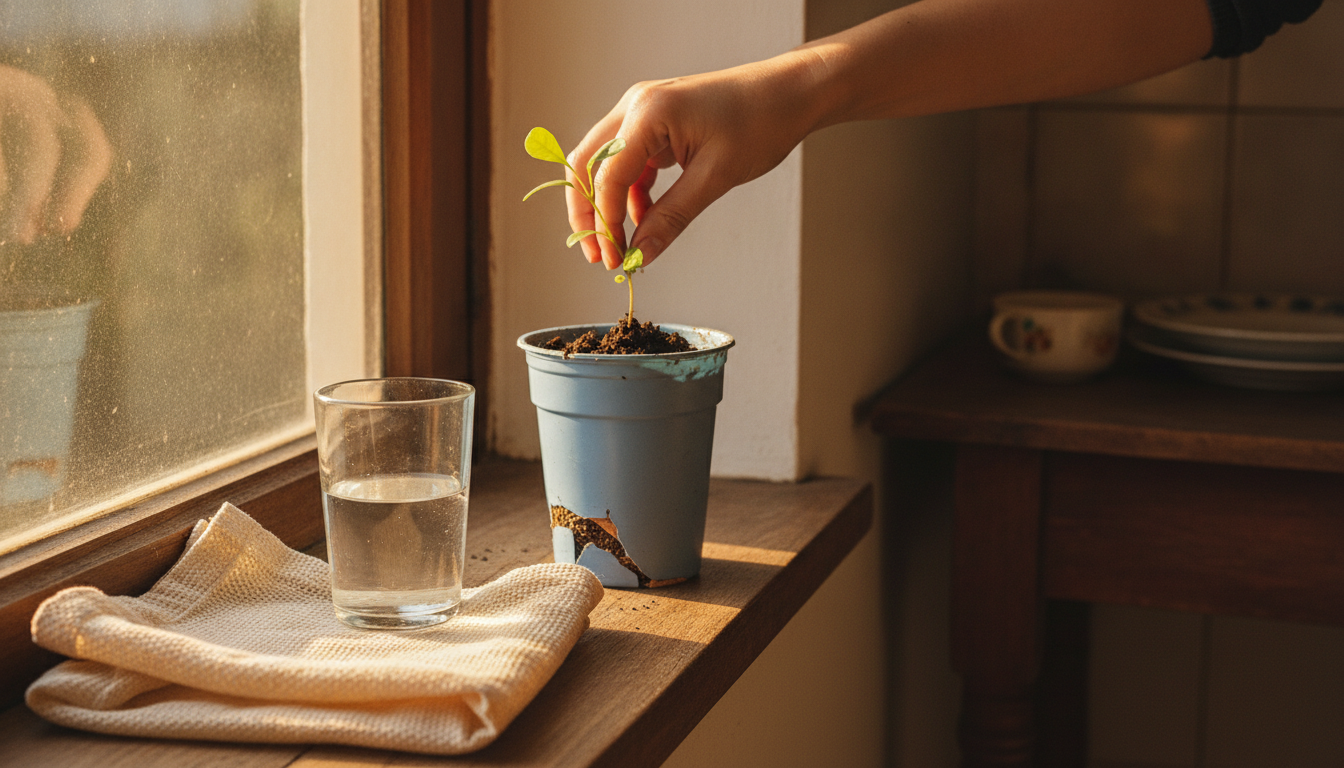
Biodiversity is not a distant subject, reserved for scientists or activists. It’s in your cup of coffee, in the fruit you buy at the market, in the tree that shades your street. Protecting it starts with paying attention to what you consume and discard.
One simple action for today: the next time you go to the market, choose a fruit or vegetable that is native to Brazil and in season. Jabuticaba, cashew, pequi, passion fruit, peach palm. By valuing these foods, you support farmers who maintain crops linked to our biodiversity and help create a market for what is ours.
This doesn’t solve everything, but it’s part of a collective movement that matters.
