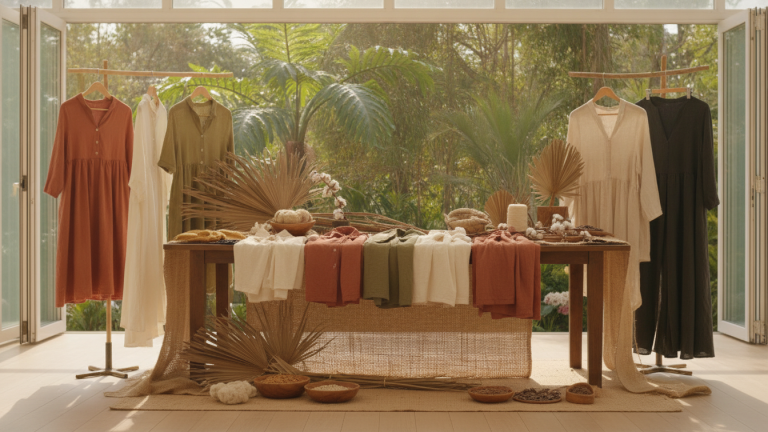
Why the clothes you buy matter more than you think
Have you ever stopped to count how many clothes you bought in the last year and how many you actually wear regularly? If the answer is uncomfortable, you’re not alone. Brazil is one of the world’s largest fashion consumers, and many of these clothes end up in the trash much sooner than they should.
The global textile industry is responsible for a significant share of freshwater pollution and greenhouse gas emissions, according to data from the United Nations Environment Programme (UNEP). The problem isn’t in liking to dress well. It’s in the model of production and consumption that transforms clothes into disposable products.
The good news is that breaking this cycle is within anyone’s reach, without giving up style or spending more than necessary. By the end of reading this text, you’ll know what real sustainable fashion is, how it works in Brazil, and which concrete choices make a difference the next time you go shopping.
What the fashion industry does to the planet
Producing a single pair of jeans consumes an enormous amount of water, since cotton is one of the crops that demands the most irrigation. The process of dyeing fibers releases chemical substances that, in many factories around the world, reach rivers without proper treatment. UNEP points out that the textile sector is one of the main sources of industrial water pollution on the planet.
In Brazil, clothes disposal is a growing problem. Most textile waste has no clear destination: it’s not accepted in conventional selective collection, doesn’t enter the recycling system for paper, plastic, and glass, and ends up mixed with regular trash. According to data from the Brazilian Association of Public Cleaning and Special Waste Companies (Abrelpe), the generation of urban solid waste in Brazil continues to grow, and textile waste represents a relevant portion of this volume.
The fast fashion model has aggravated this scenario. The model works with new collections arriving in stores every few weeks, low prices, and reduced quality. The result is clothes that don’t last long, that consumers discard quickly, and the planet foots the bill.
What is sustainable fashion, without complications
Sustainable fashion is not a visual style or an exclusive group of people concerned with the environment. It’s a way of thinking about clothing considering the entire life cycle of a piece: where the fiber comes from, how it was produced, who sewed it, how long it will last, and where it goes when you tire of it.
In practice, this involves several dimensions that work together:
- Materials: certified natural fibers (like organic cotton), recycled fibers, or fabrics with lower environmental impact
- Working conditions: production that respects workers, pays fair wages, and provides a safe environment
- Durability: pieces made to last years, not months
- Reverse logistics: brands that take back used clothes or participate in reuse programs
In Brazil, Law 12.305/2010, known as the National Solid Waste Policy (PNRS), establishes the principle of shared responsibility for the product life cycle. Although specific regulations for textile waste are still being developed, some brands already operate voluntary clothes collection programs.
How to identify a truly sustainable brand
This is where many people get lost, because the market is full of what experts call greenwashing: brands that use words like “eco,” “green,” or “conscious” on packaging without any real changes behind the scenes.
Some useful questions before buying:
- Does the brand inform where the fabric comes from and who manufactured it?
- Is there any independent certification, such as GOTS (Global Organic Textile Standard) for organic cotton?
- Does the piece come with a warranty or repair service offered by the brand itself?
- Does the company have a program for returning or collecting used clothes?
Transparency is the main sign. Brands that hide their production chain usually have something to hide. Those that publish impact reports, disclose suppliers, and acknowledge their limitations tend to be more reliable.
In Brazil, some small and medium-sized brands work with local production, natural fabrics, and direct relationships with sewing cooperatives. They don’t always appear in large malls, but they’re at fairs, on Instagram, and on independent fashion platforms.
Practical ways to consume fashion more sustainably
You don’t need to throw away your current wardrobe to start. The most effective changes are gradual and fit into your routine.
Buy less and better
Before any purchase, it’s worth asking: will I wear this at least thirty times? The rule isn’t rigid, but it helps filter impulses. A more expensive piece that lasts five years might cost less per wear than three cheap pieces that wear out in eight months.
Explore the secondhand market
Physical thrift stores and digital clothing resale platforms have grown significantly in Brazil in recent years. Buying used pieces in good condition is one of the most direct ways to reduce demand for new production. The secondhand market has also become more professional, with curated pieces, cleaning, and quality photos.
Take good care of what you already have
Washing clothes in lower temperatures, avoiding the dryer when possible, and following washing instructions extends the useful life of pieces. Sewing on a fallen button or patching a small tear, something many people stopped doing, prevents premature disposal of clothes that still have years of use ahead.
Swap instead of discard
Clothes swap events happen in several Brazilian cities, organized by collectives, churches, neighborhood associations, and social media groups. You bring what you don’t use anymore and go home with something different, without spending anything.
Responsible disposal
When clothes truly have no more use, the right destination isn’t regular trash. Some options:
- Donation to institutes, shelters, and community centers
- Delivery to collection points from brands that have reverse logistics programs
- Delivery to municipal ecopoints, when they accept textiles
- Transformation into cleaning cloths or scraps for crafts
Understanding what cannot be recycled in Brazil and why helps make better decisions at disposal time, preventing clothes from contaminating what could be reused.
Common mistakes of those wanting to consume fashion sustainably
Thinking thrift stores are automatic synonyms for sustainability
Shopping at thrift stores is great, but shopping excessively at thrift stores also generates accumulation and disposal. The logic of “the cheaper, the more I can buy” still produces the same problem of overproduction of waste in the end.
Focusing only on material and forgetting who produced it
An organic cotton garment produced under poor working conditions isn’t fully sustainable. The social and environmental aspects go hand in hand.
Discarding functional clothes to “start fresh”
Throwing away an entire wardrobe to replace it with “sustainable” pieces is contradictory. The most sustainable thing is to use what you already have until the end of its useful life.
Trusting seals without verification
Some sustainability seals are more rigorous than others. Find out who issues the certificate, what criteria they use, and whether they conduct independent audits.
Frequently asked questions about sustainable fashion
Is sustainable clothing always more expensive?
Not necessarily. Thrift stores, swaps, and repairing pieces are sustainable practices that can cost much less than regularly buying new clothes. The higher expense comes when you choose new brands with more responsible production, but the cost per wear tends to drop because pieces last longer.
Can I donate clothes in any condition?
Very damaged, moldy, or unusable clothes shouldn’t be donated because they create extra work for receiving organizations and often end up in the trash anyway. It’s best to donate them in reasonable condition, or direct heavily worn fabrics for reuse as cloths.
What to do with old underwear and socks?
These items aren’t accepted at most donation points for hygiene reasons. Some brands have specific collection programs. Otherwise, they can be cut into strips for use as disposable cleaning cloths or sent to ecopoints that accept textile waste.
Are synthetic fibers always worse for the environment?
It’s not that simple. Synthetic fibers like polyester have production impacts and release plastic microfibers when washed, which is a real problem. But natural fibers like conventional cotton demand a lot of water and pesticides. There’s no perfect fiber; what changes is the type of impact and the production context.
A small step that changes habits
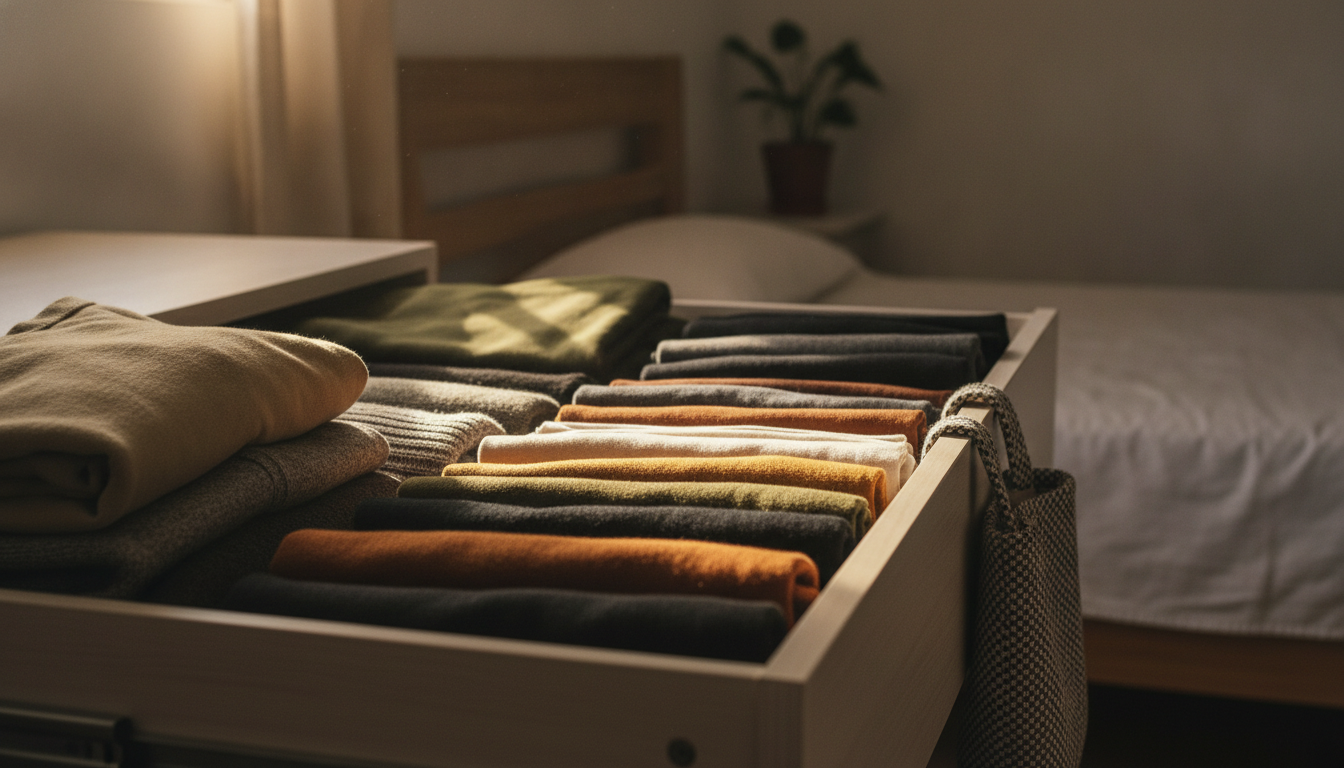
Sustainable fashion doesn’t require you to become a textile fiber expert or abandon everything you like. It starts with a simple decision: before your next purchase, open your wardrobe and see what’s already there.
If you have pieces you haven’t worn in more than six months, it might be time to swap, donate, or redesign them. This gesture is already sustainable fashion in practice. And if you want to go further, look for a thrift store in your neighborhood or a swap event in your city. The gain is real: you save money, avoid waste, and might find something no new store will have.
