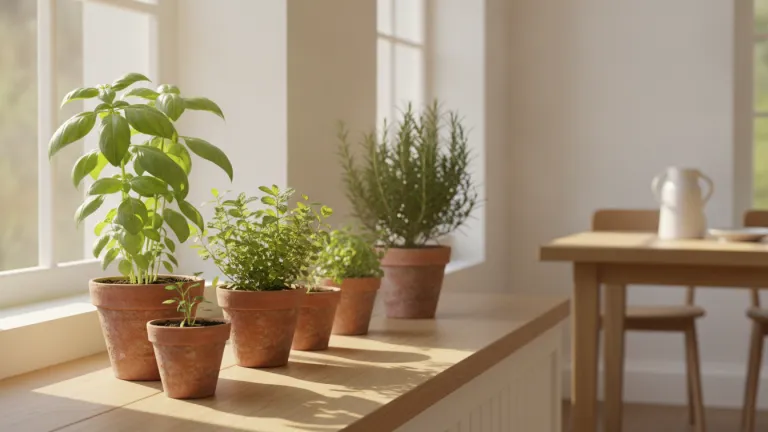
There’s something almost magical about putting a seed in the soil, watering it patiently, and watching life sprout. But beyond personal satisfaction, planting at home is a concrete gesture of connection with nature — and one of the most accessible actions anyone can take to live more sustainably. It doesn’t matter if you live in a small apartment, have a narrow balcony, or have never held a garden hoe in your life: you can start today.
The good news is that urban gardening has grown significantly in recent years. More and more people are discovering that growing herbs, seasonings, and even vegetables at home reduces plastic packaging waste, decreases the carbon footprint of the food we consume, and even improves indoor air quality. It’s a chain of benefits that starts with a simple little pot on the windowsill.
If you’re waiting for the right moment to start, know that the moment is now. This guide was created to remove the fear from beginners, present the first steps clearly, and show that planting at home doesn’t need to be complicated, expensive, or perfect.
Why planting at home makes a difference for the planet
When we talk about sustainability, it’s easy to think about big solutions — solar power plants, public policies, international agreements. But everyday choices also matter, and a lot.
Food travels long distances before reaching our table. This transportation consumes fossil fuels and generates greenhouse gas emissions. By growing herbs like basil, parsley, or chives at home — which you would buy in plastic packaging at the supermarket — you completely eliminate that journey.
Additionally, plants in indoor environments contribute to improving air quality. Studies published by researchers from various universities confirm that some species help filter volatile organic compounds present in enclosed spaces. And from an emotional standpoint, there’s solid evidence that contact with plants reduces stress and improves well-being — something that, in 2026, with the pressures of urban life ever increasing, is no small thing.
Growing at home is also a practical way to teach sustainability to children. If you have kids, involving them in the process is a golden opportunity — learn more about this in Raising Sustainable Kids: How to Teach from an Early Age.
Choosing the right space: from apartment to backyard
Many people give up before starting because they believe they don’t have enough space. The reality is that any corner with natural light can be a potential garden.
Assess the light available in your space
Light is the most important factor for successful home cultivation. Before buying any plant or seed, observe your space:
- Intense direct light (north or west-facing windows, unshaded balcony): ideal for cherry tomatoes, bell peppers, eggplant, and most herbs.
- Indirect light or partial shade: great for parsley, cilantro, mint, lettuce, and arugula.
- Little natural light: prefer resistant ornamental plants, like pothos or ZZ plant, which also purify the air.
Space options for different housing types
| Housing type | Recommended option |
|---|---|
| Apartment without balcony | Window sills, shelves with natural light |
| Apartment with balcony | Pots, hanging planters, vertical garden |
| House with backyard | Ground bed, integrated compost bin |
| Rooftop or terrace | Garden in raised beds |
There’s no space too small. A row of reused yogurt cups on the windowsill is already a garden.
What to plant first: easy species for beginners
Choosing the wrong plant is one of the main reasons beginners get discouraged. Start with the most resilient and useful species for everyday life.
Aromatic herbs: the ideal beginning
Herbs are the best friends of those just starting out. They grow quickly, take up little space, tolerate variations, and have immediate use in the kitchen:
- Basil: loves full sun, needs regular but not excessive watering.
- Chives and parsley: very adaptable, grow well in partial shade.
- Mint: almost impossible to kill, but be careful — if planted in the ground, it spreads a lot. Prefer a pot.
- Rosemary: resistant to heat and drought, perfect for sunny balconies.
- Purple or lemon basil: decorative varieties that are also edible.
Vegetables for those who want to go further
After getting the hang of herbs, try:
- Lettuce and arugula: fast growth (harvest in about 30 to 45 days), tolerate partial shade.
- Radish: one of the fastest vegetables — ready to harvest in about 25 days.
- Cherry tomato: needs direct sun and support to grow, but the reward is huge.
- Pepper: very adaptable to pots, productive and decorative.
Step by step: how to set up your first home garden
Enough theory. Here’s how to start practically and without complication.
- Choose the space and observe the light for an entire day before deciding where to position your pots. Note how many hours of direct sun the location receives.
- Gather the containers. You don’t need to buy expensive pots. Cans, cut PET bottles, ice cream containers, market crates, and even raffia bags work well. Make sure they all have drainage holes in the bottom.
- Prepare the substrate. For beginners, the most practical mix is: half potting soil (sold in bags at any market or garden store) and half organic substrate or worm castings. This combination ensures nutrition and good drainage.
- Plant the seedlings or seeds. Ready-made seedlings are easier for beginners — you see results faster. Seeds are cheaper and more satisfying, but require a bit more patience. For seeds, follow the package instructions regarding depth.
- Water in moderation. The most common beginner mistake is overwatering. A good tip: stick your finger about two centimeters into the soil. If it’s still moist, wait. If it’s dry, water. Most herbs prefer slightly moist soil, never waterlogged.
- Position strategically. Place the pots in the location with adequate light for each species and observe how the plants respond in the first few weeks.
- Make the first harvest with care. Don’t pull out the entire plant. Cut the outermost leaves or side branches, leaving the center of the plant intact to continue growing. This is called “cut-and-come-again” harvesting.
Essential care: watering, fertilizing, and pests
Watering: less is more
As mentioned, excess water is the main killer of houseplants. In summer, most vegetables and herbs need watering daily or every two days. In winter, the interval can be longer. Prefer to water early in the morning or late afternoon — never during the hottest time of day.
Natural and accessible fertilization
You don’t need chemical products to have a healthy garden. Some simple alternatives:
- Coffee grounds: rich in nitrogen, can be mixed into the substrate or used as mulch.
- Banana peel: rich in potassium, can be buried in the pot or left to decompose on the surface.
- Vegetable cooking water (unsalted): rich in nutrients, great for watering plants after cooling.
- Worm castings: the most complete organic fertilizer and easy to find at garden stores.
Pests: prevention and natural solutions
The most common pests in home gardens are aphids, mites, and whiteflies. Before using any chemical product, try:
- Water solution with neutral soap: spray on affected leaves (1 teaspoon of soap per 1 liter of water).
- Crushed garlic diluted in water: effective natural repellent against various insects.
- Neem (Azadirachta indica): diluted natural neem oil is one of the most efficient organic repellents available.
Sustainability beyond the pot: integrate the garden into your lifestyle
Having a home garden opens doors to other sustainable habits that naturally connect. One of them is composting: instead of throwing fruit and vegetable peels in the trash, you can turn them into fertilizer for your own plants. There are compact composters specially designed for apartments, odor-free and easy to maintain.
Another important connection is with food seasonality. By learning about plant cycles, you naturally begin to be interested in what’s in season — and this has real impacts on the food system. Learn more at Seasonal Foods: Why Buying Local Matters.
Additionally, a home garden invites the reduction of food waste: when you grow, you start to value each leaf and each fruit more, and this changes your relationship with food in general.
Common beginner mistakes and how to avoid them
Learning from mistakes is part of the process, but you can save time and frustration by avoiding the most frequent pitfalls:
- Buying too many plants at once: start with two or three species and expand as you gain confidence.
- Choosing species unsuitable for the space: respect each plant’s light requirements.
- Using pure garden soil: it compacts easily in pots and harms drainage. Always use specific substrate.
- Giving up after the first plant that died: everyone who grows plants has lost some. It’s part of it. With each failure comes a lesson.
- Neglecting drainage: pots without holes accumulate water at the base and rot the roots.
Start today: your garden doesn’t need to be perfect
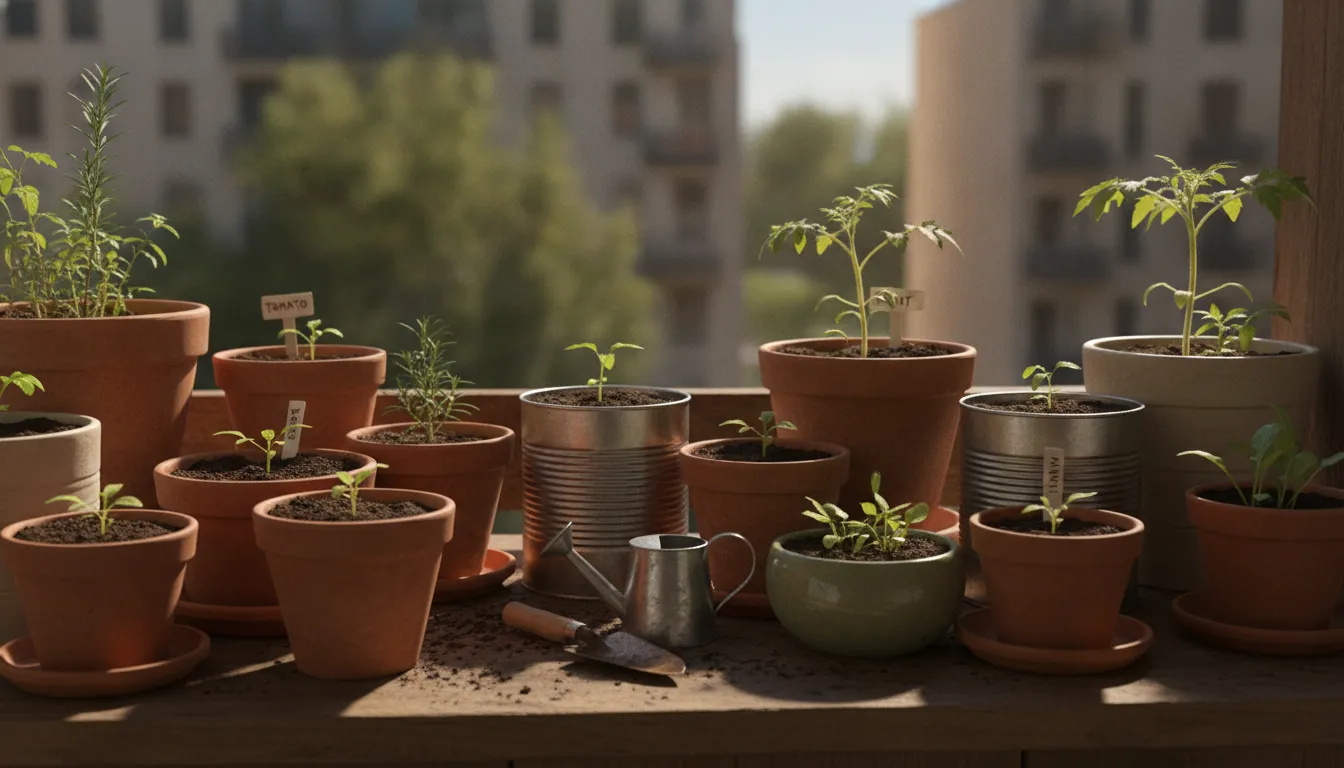
Planting at home doesn’t require perfection, nor a large space, nor a lot of money. It only requires the willingness to start. With a small pot of basil on a sunny window, you’re already practicing an act of care — for your health, your wallet, and the planet.
Every person who plants an herb at home is, on their own scale, reducing plastic packaging, valuing the natural cycle of food, and reconnecting with something humans have always known how to do: cultivate life.
So choose a plant. Find a container. Buy a bag of substrate. And start. You won’t need ideal conditions — you’ll just need to take the first step. The plant will teach you the rest.
