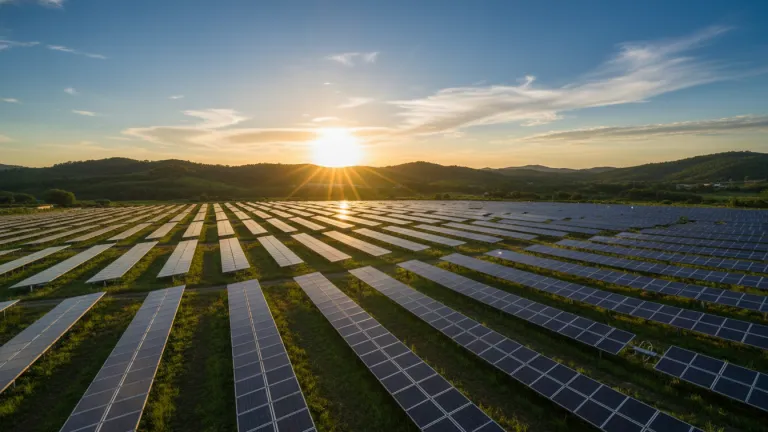
Is Solar Energy Worth It in 2026? Pros and Cons Explained
Have you ever looked at your electricity bill and wondered if there’s a better alternative? This is a question that millions of Brazilians have been asking in recent years — and the answer increasingly points to the rooftop. Photovoltaic solar energy has evolved from a niche technology to one of the most discussed options for those who want to save money and simultaneously reduce the environmental impact of their consumption.
Brazil holds a privileged position in this scenario. With one of the highest incidences of solar radiation in the world, the country has rapidly expanded its installed capacity for distributed generation — that which is done by the consumer themselves, in homes, businesses, and small rural properties. According to ANEEL (National Electric Energy Agency), distributed solar generation has grown significantly in recent years, consolidating Brazil among the largest solar energy markets in Latin America.
But is installing solar panels worth it for your situation? Like any investment, there are real advantages and concrete limitations. In this article, you’ll understand both sides of the issue honestly — without exaggerated promises and without alarmism — to make an informed decision.
The Main Pros of Residential Solar Energy
Significant Savings on Electricity Bills with Solar Energy
The most immediate and most cited benefit is the reduction in electricity bills. A well-sized photovoltaic system can cover a large part — or all — of a home’s daytime consumption. With energy compensation legislation (net metering), the surplus generated is injected into the grid and becomes credits that can be used at night or on cloudy days.
It is worth remembering that electricity tariffs in Brazil are subject to frequent adjustments, influenced by factors such as reservoir levels, exchange rates, and the cost of thermoelectric generation. By generating your own energy, you reduce your exposure to these adjustments — which represents long-term financial protection.
If you want to better understand how this works in practice, check out our article Solar Energy: See How to Reduce Your Electricity Bill, with detailed examples of real savings.
Property Value Increase with Solar Panels
Real estate market studies — conducted by portals like ZAP Imóveis and industry consultancies — indicate that properties with installed solar systems tend to be valued at higher prices compared to similar properties without the technology. Although the percentage varies depending on the region and local market, the argument is simple: the buyer inherits an asset that generates savings from the first month.
Reduction of Carbon Footprint
Photovoltaic solar energy is one of the sources with the lowest greenhouse gas emissions throughout its life cycle, from panel manufacturing to disposal. The IPCC (Intergovernmental Panel on Climate Change) classifies solar energy as one of the central technologies for the decarbonization of the global electric sector. By generating clean energy at home, you replace, at least in part, energy that would come from the grid — which in Brazil is mostly renewable but still includes thermoelectric generation from fossil fuels during periods of water scarcity.
Energy Autonomy and Resilience
With storage batteries (still expensive, but with falling prices), or even without them, a solar system offers greater independence from grid fluctuations. For rural properties and regions with unstable supply, this advantage can be especially relevant.
The Main Cons of Solar Energy: What No One Usually Tells
Initial Installation Cost is Still High
This is the number one obstacle for most families. A typical residential photovoltaic system, capable of meeting the average consumption of a Brazilian home, involves an initial investment that, in 2026, can vary widely depending on the installed power, equipment brand, and region of the country. Prices have dropped significantly over the last decade, but they still represent a significant outlay that not everyone can make immediately.
There are financing lines — such as those from Banco do Brasil, Caixa Econômica Federal, and the Casa Verde e Amarela Program — that facilitate access, but it is essential to simulate the total cost with interest before signing any contract.
Intermittent Generation: The Sun Doesn’t Always Shine
Solar panels generate energy only when there is sunlight — and the amount generated varies according to the season, time of day, and weather conditions. In regions with many cloudy or rainy days (such as parts of southern Brazil in winter), generation can be significantly lower than in regions like the Northeast, which has some of the highest solar irradiation in the world.
Without batteries, the system depends on the electrical grid at night and on low generation days. This doesn’t make the investment unfeasible, but it’s crucial to understand that solar energy does not mean total disconnection from the grid in most residential cases.
Available Space and Roof Structure
The roof needs to have enough area, proper orientation (preferably facing north in the southern hemisphere), and a structure capable of supporting the weight of the photovoltaic modules. Roofs heavily shaded by trees or neighboring buildings significantly reduce system efficiency. Apartments, for example, have clear restrictions — although the condominium solar energy model and remote generation are expanding thanks to recent regulatory changes.
Maintenance and Disposal of Panels
Solar panels require periodic cleaning and, eventually, replacement of components like the inverter. Additionally, there is a growing environmental issue: the proper disposal of modules at the end of their useful life (estimated at 25 to 30 years). Brazil is still building its reverse logistics infrastructure for this type of waste, and it’s important to consider this factor in the decision.
Quick Comparison: Pros and Cons in a Table
| Aspect | Pros | Cons |
|---|---|---|
| Cost | Long-term savings on bills | High initial investment |
| Environment | Clean energy, low CO₂ emissions | Panel disposal requires attention |
| Practicality | Low daily maintenance | Depends on roof and location |
| Autonomy | Reduces grid dependence | Without batteries, still depends on grid at night |
| Valuation | Increases property value | Return varies with local market |
How to Evaluate If Solar Energy Is Worth It for You
Before signing any contract, follow this practical guide:
- Analyze your last 12 electricity bills. Calculate the average monthly consumption in kWh. The higher the consumption, the greater the savings tend to be and the faster the return on investment.
- Observe your roof. Check the orientation, inclination, possible shadows, and the state of the structure. A certified installer can provide a free technical assessment.
- Request quotes from at least three companies. Compare not only the price but also the equipment warranty, installer certification (INMETRO certifies panels and inverters), and the presented return period.
- Simulate the return period (payback). Divide the total investment value by the estimated monthly savings. In many regions of Brazil, the payback ranges from 4 to 7 years — but this number varies. Do not accept estimates without a basis in your actual consumption.
- Check financing options. Calculate the total cost with interest. In some cases, financing can compromise a significant part of the savings.
- Consult your energy distributor. Check local rules for grid connection and energy compensation, which may vary between distributors.
- Think long-term. If you plan to live in the property for many years, the investment tends to be more advantageous. If you plan to sell soon, consider the added value to the property.
The Current Regulatory Scenario: What Has Changed
Law No. 14,300/2022, known as the Legal Framework for Microgeneration and Minigeneration Distributed, established clearer and more lasting rules for those who generate solar energy in Brazil. It ensured the maintenance of the energy compensation system (net metering) for a transition period, providing more legal security for investors.
In 2026, the sector is more mature: there are more installation companies, equipment prices continue to decline, and access to financing has expanded. Regulation has also advanced to facilitate distributed generation in condominiums and the remote self-consumption modality — which opens the technology to those living in apartments or without a suitable own roof.
Solar Energy and Sustainability: A Step Within a Larger Context
Adopting solar energy is an individual choice with a collective impact. Each kilowatt-hour generated by a clean source contributes to reducing pressure on the electrical system and decreasing emissions associated with thermoelectric generation. In a context of climate change that already produces visible effects — such as more frequent extreme weather events — every decision on energy consumption and generation is relevant.
Of course, solar energy alone does not solve all environmental challenges. It is an important piece in a larger puzzle, which includes energy efficiency, sustainable mobility, waste management, and forest protection — which also function as climate and water cycle regulators, essential for the hydroelectric generation that powers much of our energy matrix.
Conclusion: Is It Worth Taking the Next Step?
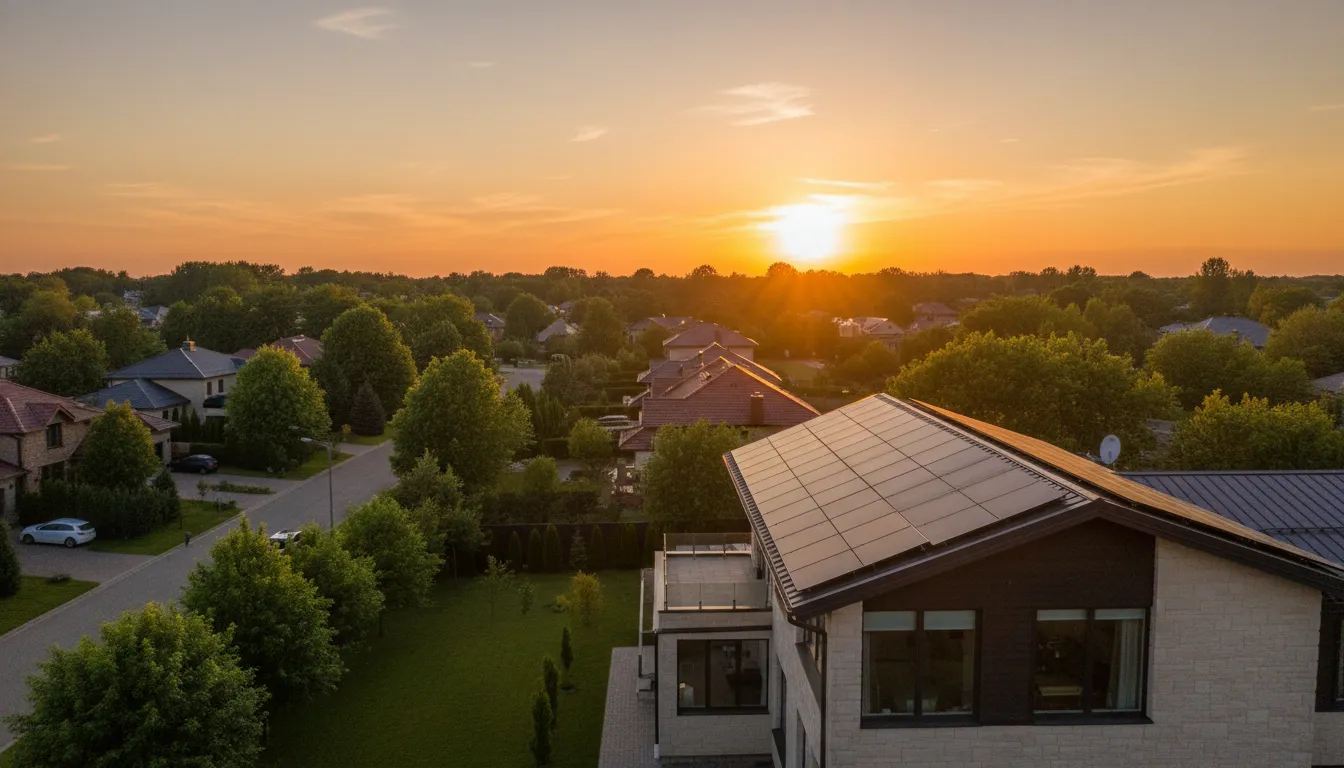
Solar energy is worth it for most people who have a suitable roof, medium or high energy consumption, and a perspective of staying in the property for a few years. It is not a magic solution, but it is one of the most concrete and accessible for those who want to spend less and pollute less at the same time.
The best path begins with information: understand your consumption, research certified companies, simulate the return, and compare scenarios with and without financing. The technology is mature, the market is regulated, and prices have never been more competitive.
If you’ve made it this far, you’ve already taken the first step. Now it’s time to look at your roof — and the future — with different eyes. The energy that lights your home can come from the same sun that has always been there. It’s up to you to decide to harness it.
