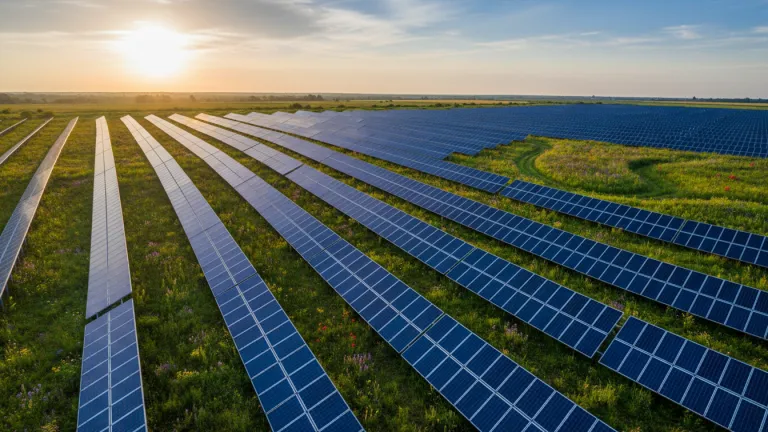
Why Solar Energy is Transforming Brazilians’ Electricity Bills
Brazil is one of the countries with the highest potential for solar energy generation in the world. With an average solar irradiation that surpasses that of European countries known for their renewable energy matrix — such as Germany and Spain — practically the entire national territory receives enough sunlight to make photovoltaic energy a viable and economically interesting choice.
In recent years, the Brazilian solar market has grown significantly. According to data from ANEEL and ABSOLAR (Brazilian Association of Photovoltaic Solar Energy), the country has surpassed the mark of tens of gigawatts installed in distributed generation, with millions of consumer units generating their own energy. By 2026, this scenario consolidates: the prices of solar panels have dropped significantly over the last decade, and the return on investment has become increasingly attractive for homes and small businesses.
If you pay a high electricity bill every month and feel that this money simply disappears without leaving anything in return, this article is for you. We will show you how solar energy works in practice, how much you can save, what the requirements are for installing a system, and how to take the first steps — clearly, without technical jargon, and with information you can actually use today.
How Photovoltaic Solar Energy Works
The principle of photovoltaic generation is simpler than it seems. Solar panels are composed of cells — usually made of silicon — that convert sunlight into direct current electricity. This current passes through a device called an inverter, which transforms it into alternating current, the type of electricity used in your home’s outlets and appliances.
The Role of the Electrical Grid and the Compensation System
In the vast majority of residential installations in Brazil, the solar system is connected to the local utility’s electrical grid. This means that:
- During the day, when the sun hits the panels, your home consumes energy generated by yourself.
- The surplus produced (when you generate more than you consume) is injected into the grid and recorded as credits.
- At night or on cloudy days, you use energy from the grid, deducting these credits from your bill.
This mechanism is regulated by ANEEL through the norm that establishes the electric energy compensation system for microgeneration and distributed minigeneration, updated by Law No. 14,300/2022 (the so-called Legal Framework for Solar Energy). The credits generated are valid for 60 months and can be used in consumer units of the same holder, which opens interesting possibilities for those who own more than one property.
How Much You Can Save with Solar Energy
The savings depend on several factors: the size of the installed system, your home’s average consumption, the tariff charged by the utility, and the amount of sunlight in your region. However, it is possible to give a fairly practical general idea.
A well-sized residential solar system can cover between 80% and 100% of a home’s electricity consumption in most regions of Brazil. Financially, this can represent a drastic reduction in the monthly bill — in many cases, it drops to the minimum value charged by the utility (the so-called availability tariff or “availability cost”), which corresponds to a minimum fixed consumption.
Factors Influencing Your Savings
- Region of the country: Northeastern and Midwestern states have higher solar irradiation and generate more energy per installed panel. But even in the South, where there are more cloudy days, systems are viable.
- Monthly consumption: Families with consumption above 300 kWh/month usually have a faster return on investment.
- Utility tariff: The more expensive the energy in your region, the more you save by generating your own electricity.
- Tariff flags: The flag system (green, yellow, red) can greatly increase the bill during drought periods. With self-generation, you are protected from these fluctuations.
Cost of Installing Solar Panels at Home
The cost of a residential photovoltaic system varies according to the necessary size, the quality of the equipment, and the region of the country. As a general guideline:
- Systems for homes with lower consumption (up to 300 kWh/month) tend to have lower initial costs.
- Larger systems, for homes with higher consumption, have proportionally higher costs but also generate greater savings.
The payback period — the so-called payback — varies but has decreased with the drop in equipment prices and the increase in energy tariffs. Many installers and online simulators allow you to calculate a personalized estimate for your case.
In addition to the cost of equipment and installation, consider:
- Maintenance: Panels need periodic cleaning (usually with water and a soft cloth, without chemicals) and occasional electrical inspection. Maintenance is simple and low-cost.
- Lifetime: Most panels have a performance warranty of 25 years. The inverter usually has a shorter lifespan (between 10 and 15 years) and may need replacement over time.
- Insurance: In some regions, insurers already offer specific coverage for solar systems — it’s worth researching.
How to Finance or Rent a Solar System
One of the main obstacles people face is the initial investment. The good news is that there are alternatives for those who do not want or cannot pay everything upfront.
Options for Accessing Solar Energy
- Bank financing: Several public and private banks offer specific credit lines for solar energy, with differentiated rates and terms. Banco do Brasil, Caixa Econômica Federal, and BNDES maintain lines aimed at this purpose — it’s worth checking the current conditions directly with the institutions.
- Consortium: Some consortium administrators include solar energy systems as a contemplable asset. It’s an interest-free option, although it requires patience to wait for contemplation.
- Subscription solar energy (or remote solar): A modality that has grown significantly in Brazil after the 2022 Legal Framework. You subscribe to a service from a remote solar plant and receive credits on your electricity bill, without needing to install anything on your roof. It’s ideal for those living in apartments, with shaded roofs, or who don’t want to bear the installation cost.
- Leasing or renting a system: Some companies offer the installed system in exchange for a monthly fee. You don’t own the panels, but you pay less on your electricity bill from the first month.
Step-by-Step: How to Install Solar Energy in Your Home
If you have decided that you want to have your own system installed, here is the practical path:
- Evaluate your consumption: Gather the last 12 electricity bills and calculate the average monthly consumption in kWh. This is the basis for sizing the system.
- Check your roof: The roof should have sufficient area, good inclination (between 10° and 35° is ideal in Brazil), and be oriented preferably to the geographic north. Also, check if the structure is in good condition.
- Request quotes: Request proposals from at least three installation companies. Check if they are accredited with ANEEL and if the equipment is certified by INMETRO.
- Analyze the technical project: A good company provides a detailed project with an estimate of monthly generation, payback, and equipment specifications.
- Sign the contract and follow the installation: Installation usually takes one to three days. Demand that the company handles all documentation with the utility.
- Request connection to the grid: The local utility needs to approve the project and install a bidirectional meter. This process can take a few weeks — keep an eye on regulatory deadlines.
- Monitor the generation: Most modern inverters have an app that shows in real-time how much your home is generating and consuming. Use this data to optimize your consumption habits.
Solar Energy and Sustainability: A Benefit Beyond the Electricity Bill
Choosing solar energy is not just a financial decision — it is also a concrete environmental choice. Photovoltaic generation does not emit greenhouse gases during operation, contributing to the reduction of emissions that cause climate change, as highlighted in IPCC reports.
In Brazil, this issue has an additional dimension: during prolonged drought periods, hydroelectric plants — which still account for a large part of the Brazilian electricity matrix — operate below capacity, pressuring the use of fossil fuel thermal plants. By generating your own energy with the sun, you relieve this pressure on the system and contribute to a cleaner and more resilient matrix.
And the benefits don’t have to stop there. If you are interested in other ways to make your home more sustainable, it’s worth knowing how rainwater harvesting works, another practice that can significantly reduce costs and the environmental impact of your residence.
Practical Checklist: What to Do Before Hiring a Solar System
Before signing any contract, go through this checklist:
- Consult more than one installer and compare proposals paying attention to equipment, warranties, and return period.
- Check the certification of panels and inverters by INMETRO.
- Check the company’s history and references — ask for contacts of previous clients if possible.
- Understand the warranties: panels usually have a product warranty (against defects) and a performance warranty (minimum efficiency over the years) — these are different things.
- Read the contract carefully, especially the clauses about maintenance, responsibility in case of damage, and what happens if you want to terminate the service.
- Simulate financing at more than one institution before closing with the first option.
- Ask about the process with the utility — a serious company takes care of this for you, but it’s good to know the deadlines involved.
Conclusion: The Sun is There — Make the Most of It
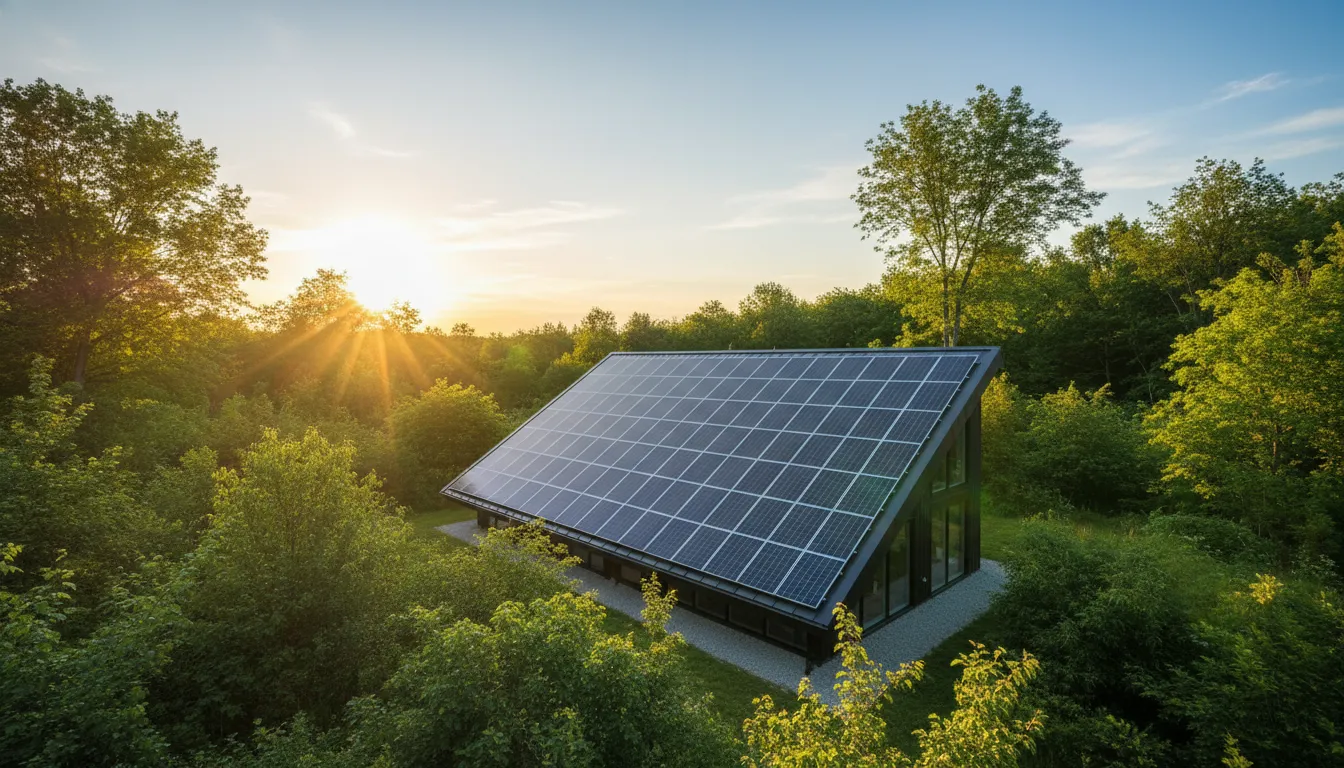
Solar energy is no longer an expensive and distant novelty to become one of the smartest financial and environmental decisions a Brazilian can make in 2026. With a mature market, accessible credit, established regulation, and reliable technology, the entry barriers have never been so low.
You don’t need to do everything at once. Start with the basics: pull out your electricity bills, do a free online simulation, request a no-obligation quote. Every piece of information you gather today brings you closer to a more informed decision — and to a significantly lower electricity bill.
The sun rises every day in Brazil. It is up to each of us to decide if we will let it go without taking advantage of what it has to offer.
