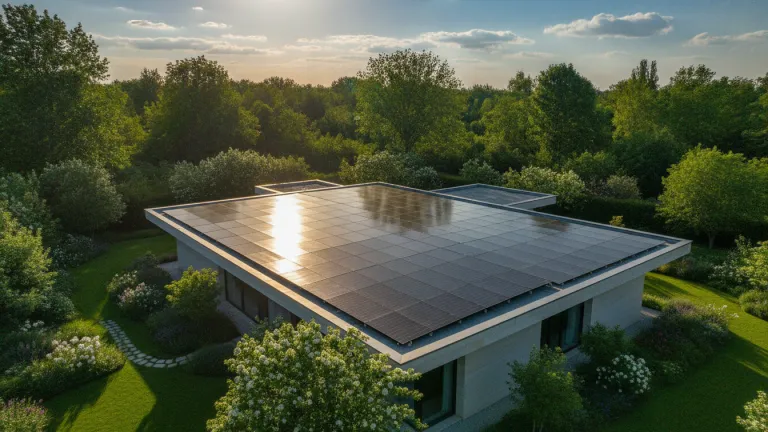
Why 2026 Is the Best Time to Install Solar Energy in Your Home
If you’re still on the fence about installing solar panels in your home, know that the timing has never been more favorable. The combination of falling costs, consolidated regulatory frameworks, and growing environmental awareness makes 2026 a real turning point for anyone wanting to take this step. And it’s not just about saving money — each installed system represents a concrete reduction in demand for energy generated from fossil fuels.
Brazil has one of the greatest solar generation potentials in the world. With average solar irradiation higher than European countries leading photovoltaic energy adoption, Brazilian territory is naturally privileged. Regions like the Northeast and Central-West receive radiation levels that make return on investment even faster, but even southern states already show consolidated economic viability.
In this article, you’ll find a clear and practical guide on how much residential solar energy installation costs in 2026, which factors influence this value, how the financial return works, and what to do to take the first step safely.
How Much Does a Residential Solar System Cost in 2026?
The cost of a residential photovoltaic system in Brazil varies mainly according to the installation size, which is dimensioned based on the home’s monthly energy consumption. In general terms, the average price per kilowatt-peak (kWp) installed has remained in a competitive range, reflecting market maturation and the continuous drop in photovoltaic module prices worldwide.
For a home with average monthly consumption of 300 to 400 kWh — quite common in houses with air conditioning and conventional appliances — a system of approximately 3 to 4 kWp is usually sufficient. Homes with higher consumption, in the 600 to 800 kWh/month range, generally need systems between 5 and 7 kWp.
The table below presents a cost estimate by system range, based on market conditions in effect in 2026:
| System Size | Consumption Covered (estimated) | Average Installed Cost |
|---|---|---|
| 2 kWp | up to 200 kWh/month | R$ 12,000 – R$ 16,000 |
| 3–4 kWp | 300–400 kWh/month | R$ 18,000 – R$ 28,000 |
| 5–6 kWp | 500–600 kWh/month | R$ 28,000 – R$ 38,000 |
| 7–8 kWp | 700–800 kWh/month | R$ 38,000 – R$ 50,000 |
> Note: these values are market estimates for planning purposes. The actual quote varies according to region, roof type, equipment brand, and chosen installer. Always request at least three quotes.
What’s Included in the Price of a Solar Installation?
Many people receive a quote and don’t know exactly what they’re paying for. Understanding the cost composition helps compare proposals more clearly and avoid surprises.
A complete residential photovoltaic system consists of:
- Photovoltaic modules (panels): represent the largest part of the cost. Quality and efficiency vary between brands, and today the Brazilian market has domestic and imported options with good warranties.
- Inverter: converts the generated energy (direct current) into alternating current, compatible with household appliances. It’s a critical component and should have a warranty of at least 5 years.
- Mounting structure: metal supports that attach the panels to the roof. They need to be suitable for the type of roofing (ceramic, metal, concrete slab).
- Wiring and electrical protections: all special wiring for high-voltage DC systems, plus lightning and surge protection devices.
- Labor and project: includes technical dimensioning, installation, and project preparation for approval by the energy distributor.
- Fees and approval: the grid connection process (net metering) requires approval by the local distributor, according to ANEEL regulations.
Return on Investment: When Do You Start Saving?
The payback — that is, the time until the savings generated cover the amount invested — is one of the most decisive factors when making the decision. In 2026, with electricity rates at high levels in much of Brazil, the average payback period for residential systems has been in the range of 4 to 7 years, depending on the region, consumption, and local distributor tariff.
After this period, the system continues operating and generating savings for more decades. Modern photovoltaic modules have a 25-year performance warranty, with minimal degradation over time — generally less than 0.5% per year, according to manufacturers’ technical specifications.
Other important points about financial return:
- The energy compensation legislation (net metering), regulated by ANEEL and updated by Law No. 14,300/2022, allows surplus energy generated to be injected into the grid and deducted from future bills, maximizing system utilization.
- Specific financing for solar energy is available from public and private banks, including lines from Banco do Brasil and Caixa Econômica Federal, with terms and interest rates that make the monthly payment lower than the savings generated on the electricity bill — meaning the system pays for itself before being fully paid off.
- Properties with installed solar systems tend to have higher market value, although the exact quantification of this impact varies by location.
How to Choose the Right Installer: Step by Step
Installation quality is as important as equipment quality. A poorly installed system may generate less energy than promised, experience early failures, or even pose electrical risks. Follow this roadmap to hire safely:
- Verify the company’s certification. ANEEL requires installers to follow technical standards. Research whether the company is properly registered and if the technical managers have electrical qualifications (CREA or CFT).
- Request at least three quotes. Compare not only the price but also the total system power, equipment brands, warranties offered, and installation timeline.
- Check references and reviews. Talk to the company’s previous customers if possible. Review platforms and solar energy social media groups can be useful sources.
- Read the contract carefully. Check what is and isn’t included: the electrical project, approval with the distributor, labor warranty, and post-installation service timeline.
- Follow up on the approval process. After installation, the distributor needs to approve the grid connection. This process can take weeks. A good company accompanies this procedure with the customer.
- Request remote monitoring. Most modern inverters allow real-time generation tracking via app. Confirm this will be available and working.
Incentives, Exemptions, and Financing Available in 2026
The Brazilian regulatory and tax environment continues to favor residential solar energy adoption. Some relevant points for those planning installation:
- ICMS exemption: most Brazilian states maintain ICMS exemption on energy generated and injected into the grid by distributed generation systems, reducing the effective cost of the bill.
- IPI and PIS/COFINS exemption: imported or domestically manufactured photovoltaic equipment benefits from tax incentives that help keep prices competitive.
- State programs: some states and municipalities have their own incentive programs, including subsidies or reduced-interest financing. It’s worth consulting your state’s Energy or Environment Secretary.
- Bank financing: the Casa Verde e Amarela Program and specific public bank lines continue to be accessible options for middle-income families.
Environmental Impact: Why This Also Matters
Beyond financial savings, residential solar energy installation has a real and measurable environmental impact. Each kWh generated by solar source replaces energy that, in large part of the Brazilian matrix, comes from thermoelectric plants activated during low water periods — which emit greenhouse gases.
According to data from the Intergovernmental Panel on Climate Change (IPCC), photovoltaic solar energy has one of the lowest carbon footprints over the lifecycle among all currently available energy sources. The time required for a solar panel to “pay back” the energy used in its manufacturing — called energy payback — is generally less than two years, while the panel operates for more than two decades.
Adopting solar energy is, therefore, one of the individual actions with the greatest real impact on emission reduction. Just like reducing disposable plastic use or growing part of your own food at home, the energy transition begins with concrete decisions in each family’s daily life.
Conclusion: Take the First Step This Year
Installing residential solar energy in 2026 is a financially solid, environmentally responsible, and technically simpler decision than many people imagine. Costs have fallen significantly over the past decade, the regulatory framework is consolidated, and the market of qualified installers has grown throughout the country.
The smartest path is to start with the basics: gather your electricity bills from the last 12 months, understand your average monthly consumption, and request quotes from certified companies in your region. With this information in hand, you’ll have everything you need to make an informed decision.
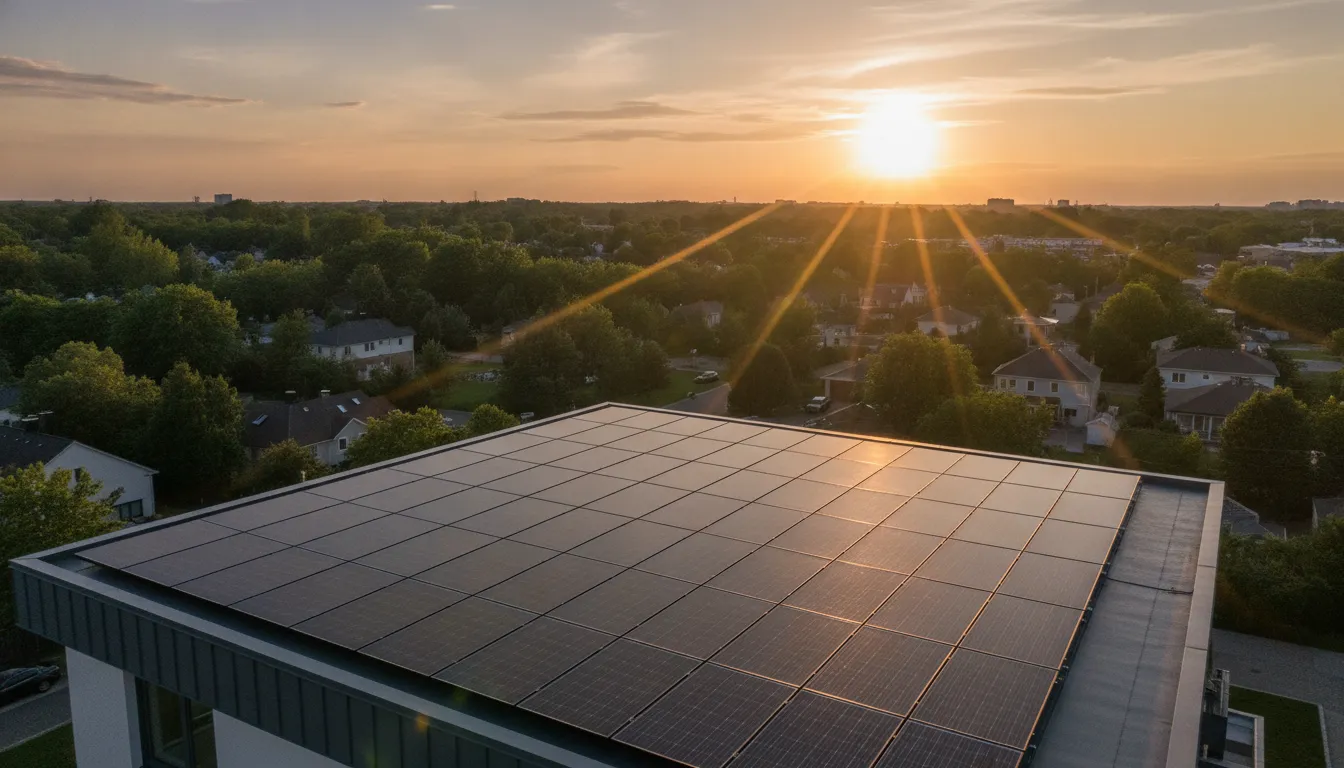
Each roof with solar panels is a small clean power plant contributing to a more resilient energy system less dependent on polluting sources. And this change literally begins in your home.
