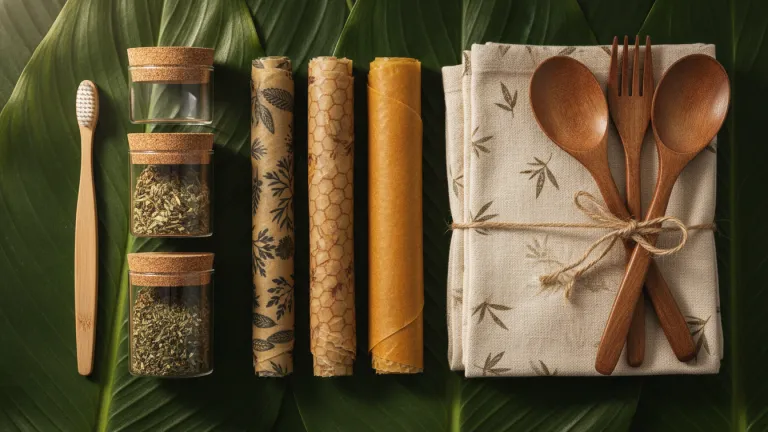
Disposable plastic is everywhere — and there are better alternatives
Have you ever stopped to count how many disposable plastic items you use in a single day? The straw in your morning coffee, the bread bag, the yogurt container, the plastic utensils from a quick lunch, the little coffee cup… The list grows before noon even arrives. Disposable plastic has become so common that we barely notice it anymore — it’s simply part of the scenery.
The problem is that “disposable” doesn’t mean “disappears.” Most single-use plastics take hundreds of years to decompose in the environment, and much of what’s discarded never gets recycled. According to data from the United Nations Environment Programme (UNEP), only a small fraction of globally produced plastic is effectively recycled, while significant amounts end up in landfills, rivers, and oceans — contaminating ecosystems and entering the food chain as microplastics.
The good news — and this article exists because of it — is that for virtually every disposable plastic item you use daily, there’s a more durable, healthier, and, in the long run, more economical substitute. Making the switch doesn’t require perfection or a radical lifestyle change. It mainly requires information and taking one step at a time.
Why disposable plastic is such a serious problem
To understand the urgency of change, it’s worth knowing a bit more about this material’s lifecycle. Single-use plastic is produced mainly from fossil fuels, generating greenhouse gas emissions during manufacturing. After being used — often for just a few minutes — it needs to be disposed of.
The recycling system in many countries still faces major challenges. Selective collection doesn’t efficiently cover most municipalities, and many plastics labeled as “recyclable” don’t find proper destinations in practice.
Furthermore, scientific research published in journals such as Nature and Environmental Science & Technology has documented the presence of microplastics in previously untouched environments — including mountain peaks, deep waters, and even human blood. The impact on marine biodiversity is particularly well-documented: sea turtles, seabirds, and mammals suffer from plastic ingestion and entanglement in improperly discarded waste, as recorded by the IUCN (International Union for Conservation of Nature).
The most effective substitutes for single-use plastic
The transition begins when you identify which disposable plastic items appear most frequently in your routine. Below is an overview of the best substitutes available today — many of them already accessible in physical and online stores.
Reusable bags: the simplest and most impactful switch
Replacing supermarket plastic bags with reusable fabric, organic cotton, or polypropylene bags is one of the swaps with the greatest immediate impact. A reusable cotton bag can last years if well maintained, replacing hundreds of plastic bags throughout its lifespan.
Practical tip: always keep a foldable bag in your purse, backpack, or car glove compartment. The main enemy of habit change is forgetting the bag at home.
Reusable bottles and cups
Stainless steel, glass, or high-durability plastic bottles (like BPA-free tritan) easily replace disposable PET bottles. The same goes for reusable bamboo, steel, or ceramic cups, which eliminate the use of disposable plastic cups at the office or events.
Beyond the environmental benefit, many coffee shops and establishments already offer discounts for customers who bring their own cup — making the switch financially advantageous.
Alternative straws
Plastic straws were among the first targets of reduction policies in various cities. The alternatives are diverse:
- Stainless steel straws: durable, washable, come with cleaning brushes
- Bamboo straws: lightweight and biodegradable
- Glass straws: elegant, easy to wash, great for cold drinks
- Paper straws: already widely adopted by food chains; disposable but biodegradable
- Pasta or sugarcane straws: edible or compostable options, perfect for events
If you don’t have the habit of using a straw, simply skip it. That’s always the most sustainable option.
Kitchen wraps and plastic films
Plastic wrap (PVC) and disposable zip bags are ubiquitous in kitchens, but they have good alternatives:
- Glass containers with lids: store food efficiently, are microwave-safe, and last for decades
- Silicone lids: replace plastic wrap over bowls and pots
- Beeswax wraps: made from cotton with beeswax or plant-based wax, they wrap fruits, cheeses, and leftovers conveniently
- Stainless steel containers: lightweight and practical for lunch boxes and snacks
Personal hygiene items: an overlooked category
Much of the disposable plastic that ends up in the trash comes from the bathroom, and this category is often forgotten in sustainability conversations.
Practical bathroom substitutes
- Shampoo and conditioner bars: eliminate plastic packaging and usually last longer than liquid versions
- Bamboo toothbrush: the handle is biodegradable; some brands allow you to replace only the head
- Reusable pads or menstrual cups: drastically reduce waste generation over the years
- Metal-handled safety razors: the handle lasts years; only the recyclable steel blade needs replacing
- Bar soaps: have made a comeback and eliminate liquid soap packaging
- Refillable dental floss or natural silk floss: alternatives to nylon floss in small plastic packaging
You don’t need to switch everything at once. As each product runs out, research the most sustainable alternative before restocking.
How to make the transition without feeling overwhelmed: step by step
Gradual change is more effective than trying to eliminate all plastic at once. Use this roadmap as a guide:
- Diagnose your week. For three days, write down (or photograph) every disposable plastic item you use. This makes the problem concrete and identifiable.
- Prioritize the most frequent items. If you use plastic bags every day, start there. If you grab coffee out with a disposable cup, invest in a reusable cup.
- Research before buying. Not every “sustainable” substitute is equally effective. An organic cotton bag, for example, needs to be used many times to offset the impact of its own production. Durability matters.
- Start with the cheapest and most accessible substitutes. Cloth bags, glass jars (repurposed from olives or hearts of palm), bar soaps — many substitutes cost less than disposables in the long run.
- Adjust your routine logistics. Wash your bottle the night before. Keep a bag in your purse. Create visual reminders for new habits.
- Include others without pressure. Share what works for you, not what others are doing wrong. Collective habit change starts with inviting examples.
- Celebrate the switches you’ve made. Every disposable plastic item eliminated from your routine is a real victory. Sustainability isn’t about perfection.
What to do with the plastic you still use
While the transition happens, it’s important to properly dispose of the plastic that’s still part of your routine. Not all plastic is the same: check the identification number (the number inside the recycling symbol) and consult what’s accepted by your local selective collection.
Plastics contaminated with food — like mayonnaise containers or margarine tubs with residue — should be washed before going to recycling. Very thin plastics, like films and very light bags, are often not accepted by conventional recycling and need specific collection points, offered by supermarkets and partner networks.
Another creative way to make use of plastic already in your home is to reuse it before discarding: plastic containers can become organizers, little pots for seedlings, or pencil holders. Speaking of which, if you want to use old containers to grow herbs and vegetables, check out our complete guide: Learn to grow plants at home: a beginner’s guide.
Quick comparison: disposable plastic vs. reusable alternatives
| Disposable item | Reusable alternative | Estimated durability |
|---|---|---|
| Plastic bag | Cotton or non-woven bag | 3 to 5 years or more |
| PET bottle | Stainless steel bottle | 10 years or more |
| Disposable cup | Bamboo or steel cup | 5 years or more |
| Plastic straw | Steel or bamboo straw | Years (with care) |
| Plastic wrap | Beeswax wrap / silicone lid | 1 to 3 years |
| Plastic toothbrush | Bamboo toothbrush | Quarterly replacement (biodegradable handle) |
Conclusion: every swap matters, and you can start today

No single person will solve the plastic crisis — but individual choices, combined, create demand for alternatives, pressure markets, and signal to companies and governments that change is necessary and desired. When you bring your own cup, refuse the straw, or choose bar shampoo, you’re participating in real transformation.
The best time to start is now — not when you’ve switched everything at once, not when the alternatives are perfect, but today, with your next purchase or next disposal. Choose one item from this list, make the swap, and watch the habit naturally take hold.
The planet thanks you. And your wallet, over time, will too.
