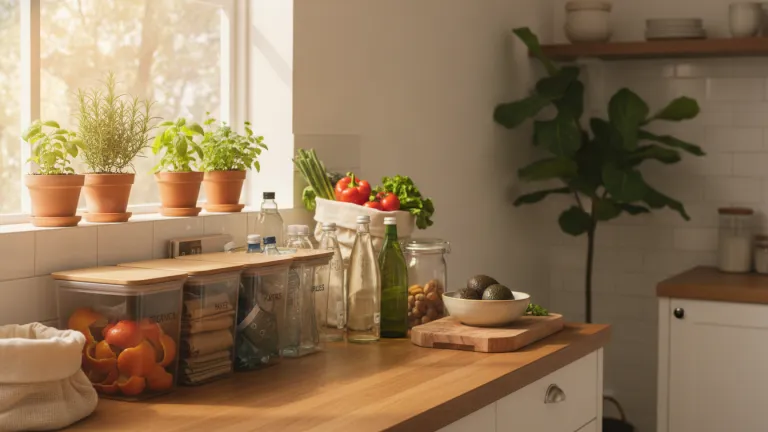
How to Reduce Household Waste and Save Money
Have you ever stopped to think about how much waste your household produces each week? Bag after bag sitting on the curb, filled with packaging, food scraps, paper, and materials that could often have a second life — or never needed to exist in the first place. Brazil is one of the largest generators of solid waste in Latin America, and a significant portion of that volume starts inside our own kitchens, bathrooms, and home offices.
The good news is that reducing household waste isn’t a sacrifice. In practice, it’s almost always synonymous with spending less money, better organizing your routine, and living with more ease. Every package you don’t buy is one less item in your grocery cart. Every food scrap that becomes compost is one less trash bag and a free booster for your garden or vegetable patch.
In this article, you’ll find practical strategies organized by area of the house and difficulty level to start today. You don’t need to go zero waste overnight — small, consistent changes make a real difference, both for your wallet and for the planet.
Understand First: How Household Waste Is Distributed
Before taking action, it’s worth knowing the enemy. Generally speaking, Brazilian household waste is divided into a few major categories: organic waste (food scraps and peels), packaging (plastic, glass, paper, metal), non-recyclables (materials without viable recycling), and special waste (batteries, electronics, medications).
Organic waste represents the largest share of household waste in Brazil — studies and surveys from the sanitation sector indicate that this group can account for more than half of the volume generated in homes. This means the kitchen is the most strategic starting point for anyone wanting to reduce household waste.
Understanding this distribution helps you prioritize. It doesn’t make sense to obsess over plastic straws while tons of food are being wasted in the refrigerator every week. Focus where the impact is greatest.
Reduce Food Waste: The Biggest Savings at Home
Food waste is both the largest component of household waste and one of the biggest drains on the family budget. According to the Food and Agriculture Organization of the United Nations (FAO), about one-third of all food produced worldwide is wasted — and a significant portion of this waste occurs at the household consumer level.
Shopping Planning to Reduce Kitchen Waste
- Take inventory of your refrigerator and pantry before going to the store. Note what you already have and what’s close to expiring.
- Create a simple weekly menu — it doesn’t need to be sophisticated. Just knowing what you’ll cook in the coming days prevents impulse purchases and ingredients that rot unused.
- Make a list and stick to it. Sales on items not on your list almost always lead to waste.
- Prefer buying in bulk when possible: you take exactly the amount you need and avoid unnecessary packaging.
- Store properly: learn which fruits and vegetables shouldn’t be refrigerated (bananas, tomatoes, potatoes) and which keep better when chilled. Proper storage can double the shelf life of food.
Whole Food Utilization
One of the most powerful — and economical — practices is using parts of food that usually end up in the trash:
- Collard green, broccoli, and parsley stems become sautés or broths
- Carrot and pumpkin peels can be roasted as chips
- Stale bread becomes breadcrumbs, French toast, or croutons
- Citrus fruit peels flavor water, teas, and even homemade cleaners
Home Composting: Turn Scraps into Resources
What inevitably remains from the kitchen — peels, coffee grounds, used tea bags, vegetable scraps — doesn’t need to go in the trash. Home composting transforms these materials into humus, a rich fertilizer that improves any soil.
How to Set Up a Simple Composter in an Apartment or House
- Choose the model: for apartments, worm composters (vermicomposting) are the most recommended — they’re compact, odorless, and produce extremely high-quality compost.
- Set up the structure: you can buy a ready-made composter or use stacked plastic boxes with holes. There are detailed tutorials and composting communities in almost every Brazilian city.
- Add materials in layers: alternate wet scraps (peels, leftovers) with dry materials (shredded cardboard, dry leaves, sawdust). This prevents bad odors and maintains process balance.
- Avoid adding: meats, dairy, fats, and feces from carnivorous animals in simple home composters.
- Wait and use: in a few months, you have free fertilizer for pots, vegetable gardens, and gardens.
Besides eliminating a huge portion of waste, you stop spending on purchased fertilizer — and if you have a small garden at home, the benefits multiply.
Packaging: Buy Less, Reuse More
The second major source of household waste is packaging. The good news is that many substitutions are simple, durable, and end up being cheaper in the medium term.
Practical Swaps That Reduce Daily Packaging
- Reusable stainless steel or glass bottle instead of disposable PET bottles
- Cloth or mesh bags for fruits and vegetables instead of plastic bags from the store
- Glass containers for storing food — durable, don’t absorb odors, and are indefinitely recyclable
- Solid bar shampoo and conditioner — last longer and don’t generate plastic bottles
- Bulk laundry detergent or concentrated dish soap instead of a new package with every purchase
To dive deeper into this topic, the article Menos Plástico em Casa: Por Onde Começar provides a complete guide with substitutions by room of the house.
Cleaning Products: Make Them at Home and Save
A large portion of bathroom and laundry room waste comes from cleaning product bottles. Many of them can be replaced with homemade versions with few ingredients, cheaper and with reusable containers.
Basic Sustainable Home Cleaning Recipes
- General all-purpose cleaner: mix water, white vinegar, and a few drops of lavender or orange essential oil in a glass spray bottle. Works for countertops, glass, and bathroom surfaces.
- Degreaser: baking soda with a few drops of concentrated neutral dish soap handles most kitchen grease.
- Toilet bowl cleaner: white vinegar left for 30 minutes is effective for light stains and bad odors.
And if you have used cooking oil accumulating at home, know that it can be transformed into soap — an economical practice that prevents improper disposal of a residue that contaminates rivers and soils. See the step-by-step guide at Sabão Caseiro com Óleo Usado: Fácil e Sustentável.
Proper Recycling: It’s Not Enough to Separate, You Need to Do It Right
Separating recyclable waste is important, but recycling only truly works when the material arrives clean and dry at the collection point. Packaging with food residue contaminates entire batches and ends up in the landfill anyway.
How to Properly Prepare Recyclables
- Rinse packaging before placing in selective collection — no need to scrub, just remove the coarse residue
- Crush cartons (like long-life milk boxes) to take up less space
- Separate wet or greasy paper — it’s not recyclable and should go in regular trash
- Batteries, electronics, and expired medications should never go in regular or recyclable trash. Look for specific collection points — pharmacies, supermarkets, and city halls usually offer this infrastructure
Also remember that recycling is the last option, not the first. The correct hierarchy is: reduce, reuse, and only then recycle.
Special and Electronic Waste: What to Do
Old cell phones, broken chargers, burnt-out light bulbs, and small appliances are waste that shouldn’t go in the regular bin. They contain materials that can contaminate soil and water if improperly disposed of.
What to do with these items:
- Check if your city government offers electronic waste collection (many capitals and medium-sized cities already have this service in 2026)
- Large electronics retailers are required, under the National Solid Waste Policy (Law 12.305/2010), to take back products for proper disposal
- Fluorescent and LED bulbs have collection points at construction and electrical supply chains
- Expired medications should be taken to accredited pharmacies — never thrown in the toilet or trash
Conclusion: Start Small, Stay Consistent
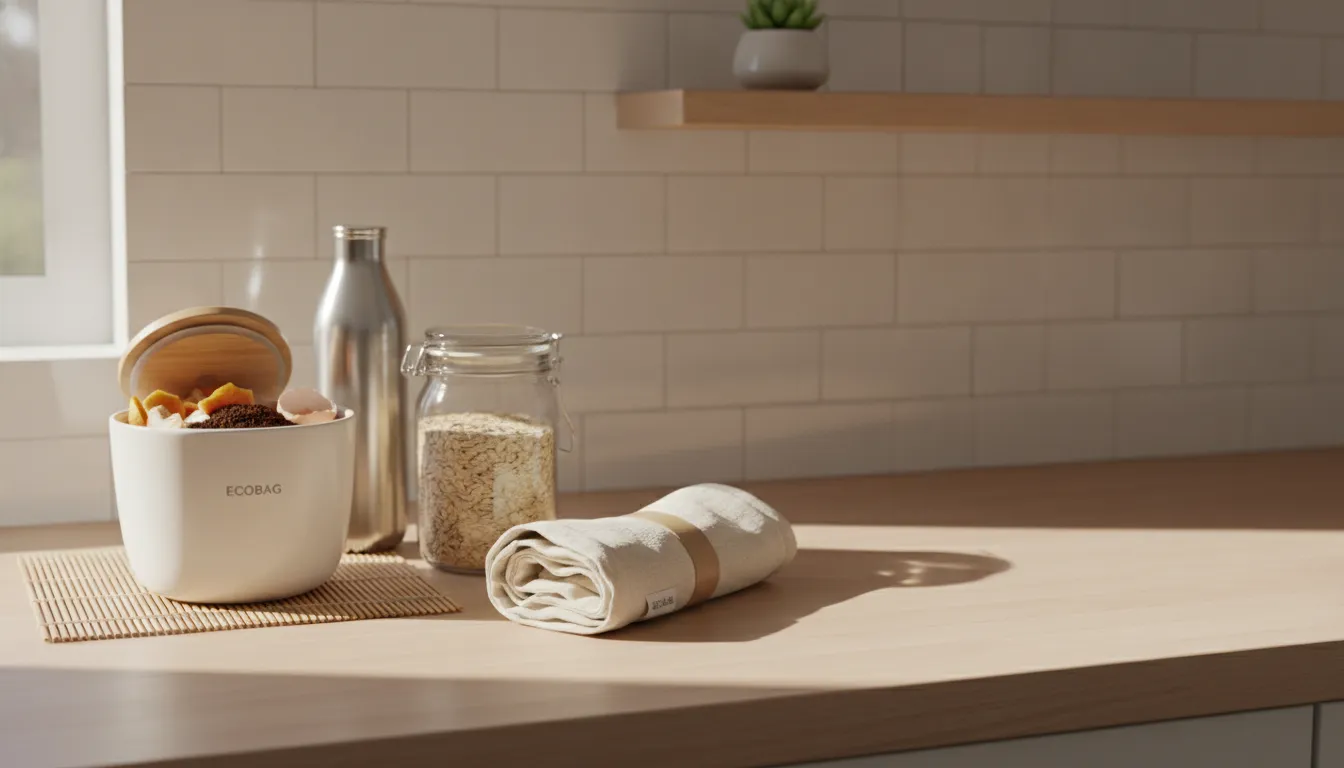
Reducing household waste doesn’t require perfection. It requires intention and some habit changes that, over time, become automatic. A family that starts planning purchases, composting organic waste, and replacing some disposable packaging can significantly reduce the volume of waste they produce — and feel it directly in their wallet.
Choose one area to start this week. It could be the refrigerator, it could be the cleaning product you’ll swap for a homemade version, it could be setting up that composter you’ve been putting off. The important thing is to start.
Every choice counts. And when millions of people make similar choices, the collective impact is enormous. The planet thanks you — and so does your grocery bill.
