Sustainable Home: Which Items Do You Really Need?
The idea of transforming your home into a more sustainable space can seem intimidating at first glance. Store shelves and social media feeds are full of “eco-friendly” products with prices that make your wallet tremble, and it’s hard to know what really makes a difference and what is just green marketing — the so-called greenwashing. The good news is that a sustainable home doesn’t need to be expensive or perfect from day one.
The truth is that home sustainability starts much more with what you stop buying than with what you acquire. Reducing unnecessary consumption, reusing what already exists, and making more conscious choices on inevitable purchases are the pillars that support any real change. With this starting point, it becomes much easier to separate what’s worth the investment from what’s superfluous.
In this article, we’ll guide you through concrete categories — energy, water, waste, cleaning products, and food — so you know exactly which items and habits truly transform an ordinary house into a more sustainable home. No endless lists of mandatory purchases, no guilt, and with total focus on what’s feasible for real life.
Energy at Home: Where the Biggest Gains Are
Electricity consumption is one of the biggest environmental impacts of a residence. Although energy grids vary by region, excessive consumption still puts pressure on resources and contributes to emissions when fossil fuel plants come into operation.
Items that really pay off for energy efficiency
- LED bulbs: Replacing incandescent or fluorescent bulbs with LED is one of the most cost-effective measures available. LED bulbs consume significantly less energy and have a much longer lifespan than previous technologies.
- Power strips with individual switches: Standby power consumption from electronic devices is real, and accumulated over the year represents a relevant portion of the electricity bill. Power strips with an off button help eliminate this waste.
- Efficient showerhead or flow reducer: Electric showers are among the largest energy consumers in many households. More efficient models or pressure reducers can significantly decrease this expense.
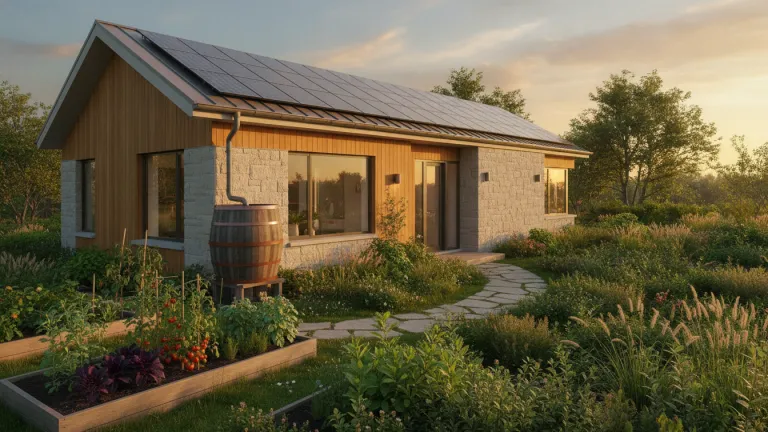
- Solar photovoltaic energy: For those who can afford to invest, residential solar panels have become increasingly accessible. Many regions have excellent solar irradiation, making this technology especially advantageous. Learn more about the topic at Energia Solar em Casa Reduz Sua Conta de Luz.
What you don’t need to buy: Sophisticated energy monitoring gadgets aren’t essential at the start. Good habits — turning off the air conditioner when leaving, using the washing machine with a full load, taking advantage of natural light — already make a considerable difference at no cost.
Water: Savings That Start with Habits and Have Simple Items as Allies
Water scarcity is a reality in various regions worldwide, and conscious water use at home is a concrete responsibility for every family. Fortunately, the most effective measures combine behavioral changes with accessible equipment.
Practical items to reduce water consumption
- Flow reducers for faucets and showers: They’re cheap, easy to install, and can expressively reduce water consumption without compromising comfort.
- Dual-flush toilet: If you’re renovating the bathroom, this is a choice that makes a real difference over time.
- Watering can or drip system for plants: Watering at the correct time (early morning or late afternoon) and using a watering can instead of a hose already saves a lot. Drip systems are ideal for home gardens.
- Rainwater harvesting: A simple gutter connected to a reservoir can provide water for irrigation and floor cleaning. It doesn’t require a large initial investment and is especially useful in regions with concentrated rainfall.
Most valuable habit: Fix leaks immediately. A simple dripping faucet can waste dozens of liters per day — a silent and avoidable impact.
Household Waste: Less Trash Is More Than Recycling
Talking about a sustainable home without talking about waste is impossible. Many countries still face serious challenges in solid waste management, with a large part of generated garbage having inadequate destinations. The correct hierarchy is: reduce first, reuse second, recycle last.
How to organize disposal practically
- Separate waste into basic categories: dry recyclables (paper, plastic, metal, glass), organics, and rejects. You don’t need expensive bins — buckets or boxes with identification work very well.
- Compost organics: Fruit scraps, vegetables, peels, and coffee grounds can become fertilizer in a few weeks. Home composters can be made with reused plastic buckets.
- Deliver clean recyclables to cooperatives: Clean materials have much more value for recycling cooperatives and collectors. Rinse packaging before disposing.
- Proper disposal of special items: Batteries, electronics, and fluorescent lamps need specific collection points — they never go in regular trash.
To deepen waste reduction strategies, it’s worth reading Como Reduzir o Lixo Doméstico e Gastar Menos.
Cleaning and Hygiene Products: What to Switch and What to Keep
This is one of the areas where the market for “sustainable” products has grown the most — and also where it’s easiest to fall into greenwashing traps. Some switches are genuinely advantageous; others, not so much.
Switches that are really worth it
- Bar soap or powder with smaller packaging: Concentrated products or solid formats generate less plastic packaging per use than liquid versions in individual bottles.
- Reusable microfiber cloths instead of paper towels: Durable, washable, and efficient in cleaning, they eliminate a good part of disposable paper consumption at home.
- Homemade soap with used cooking oil: One of the most economical and sustainable options available. The process is simple and prevents oil from being incorrectly disposed of (which contaminates water). Check out the complete tutorial at Sabão Caseiro com Óleo Usado: Fácil e Sustentável.
- Baking soda and white vinegar: They work as a base for many homemade cleaning products, reducing the need for complex chemical formulas in plastic packaging.
What you don’t need to buy now: Complete imported “zero waste” kits with premium packaging. Start with what you already have at home and gradually replace items when a product runs out.
Sustainable Food at Home: The Impact That Weighs the Most
It’s hard to talk about home sustainability without mentioning food. Food production is among the human activities with the greatest global environmental impact, according to IPCC reports. The choices made in the kitchen and at the market have real weight.
Eating habits with concrete positive impact
- Reduce food waste: Planning purchases, storing food correctly, and fully utilizing ingredients (stems, peels, leaves) are measures with immediate impact — both environmental and financial.
- Prioritize fresh and local foods: Fresh products, bought at nearby farmers’ markets, have a lower transportation and packaging footprint than processed foods from far away.
- Reduce meat consumption, especially beef: Cattle farming is responsible for significant greenhouse gas emissions, as well as pressure on land and water use. You don’t need to become vegetarian overnight — reducing frequency already makes a difference.
- Home garden: Even in apartments, it’s possible to grow herbs and small vegetables in pots. Besides the environmental benefit, there’s savings and the pleasure of eating something you grew yourself.
What You Definitely Don’t Need to Buy
An honest sustainability list needs to include what isn’t worth acquiring — at least not now, not all at once, and not due to trend pressure.
- Complete bamboo or stainless steel kits all at once: Buy according to real need, not for aesthetics or social pressure.
- “Eco” products with excessive packaging: The paradox exists and is common. Evaluate the product as a whole, not just the label.
- “Smart” home management devices without having solved basic habits first: technology doesn’t replace awareness.
- Excessive “sustainable” clothes: Sustainable fashion only makes sense if you really need the item. Buying more clothes — even organic ones — is still consumerism.
Where to Start: A Realistic Plan
Transforming your home into a more sustainable space is a gradual process. It doesn’t need to happen all at once.
Week 1 — Diagnosis:
- Observe the biggest waste points: lights on unnecessarily, dripping faucets, purchases that become trash.
Month 1 — Small changes at no cost:
- Adopt habits of turning off equipment, reducing shower time, and better planning food purchases.
Month 2 to 3 — First practical items:
- Install flow reducers, replace remaining bulbs with LED, set up basic waste separation.
Throughout the year — Larger investments:
- Consider composting, rainwater harvesting, and, if financially feasible, solar energy.
Conclusion: Sustainability That Fits Your Real Life
A sustainable home is not a catalog of expensive products nor a list of sacrifices. It is, above all, a set of conscious choices made day after day — about what to consume, how to dispose, how much to waste. Each small decision adds up, and the accumulation of these choices over time has real impact.
Start with what’s possible for you today. Gradually replace what makes sense for your reality. Share what you learn with those around you. Home sustainability doesn’t need to be perfect to be true — it just needs to start.
