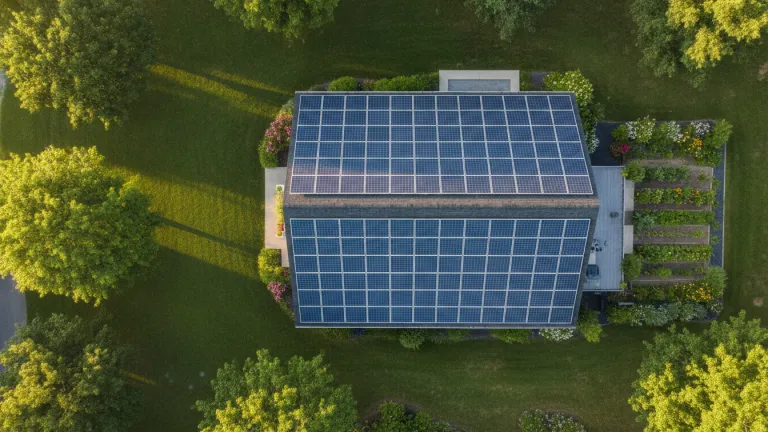
Why Are So Many Homeowners Installing Solar Panels?
Imagine receiving your electricity bill at the end of the month and seeing a value close to zero — or even a credit in your favor. For hundreds of thousands of homeowners, this is already a reality. Residential solar energy has evolved from an expensive, distant dream into one of the smartest financial and environmental decisions a property owner can make in 2026.
Many countries occupy a privileged position in this scenario, with solar radiation levels that exceed those of major solar power nations like Germany and Spain. Even in less sunny regions, irradiation indices are sufficient to make the investment extremely viable. This immense potential, combined with the continuous drop in equipment prices over the last decade, has made the solar market one of the fastest-growing in the world.
In this article, you’ll understand how solar energy works in practice, how much you can save, how to calculate whether it’s worth it for your home, and what steps to follow to get started. And as a bonus, you’ll discover how this choice goes far beyond the electricity bill — it also helps reduce your carbon footprint and contributes to a more sustainable planet.
How Residential Solar Energy Works in Practice
Before talking about savings, it’s worth understanding the mechanism behind the technology. Photovoltaic systems — the technical name for solar panels that generate electricity — work by converting sunlight into electrical current through semiconductor cells, usually made of silicon.
The main components of a residential solar system
A typical system installed in a residence consists of:
- Photovoltaic modules (panels): capture solar radiation and generate direct current
- Inverter: converts the direct current generated by the panels into alternating current, which is the standard used in household appliances
- Electrical panel and bidirectional meter: distributes the generated energy and records both consumption and energy injected into the grid
- Mounting structure: supports the panels on the roof or on a dedicated support
In the most common model — called a grid-connected system (on-grid) — your home remains connected to the energy distributor. When the panels produce more than you consume (especially during the day), the surplus is sent to the electrical grid and you accumulate energy credits, which can be used at night or on cloudy days. This mechanism is regulated through net metering or feed-in tariff systems in most countries.
How Much Can You Save with Home Solar Energy
This is undoubtedly the question that interests most people considering installation. And the honest answer is: it depends, but conditions in most sunny regions are quite favorable.
Factors that influence the savings generated
- Monthly household consumption: the higher the current bill, the greater the potential for savings
- Size of the installed system: measured in kilowatts-peak (kWp), defines the generation capacity
- Geographic location: regions with higher solar incidence generate more energy with the same panels
- Roof orientation and tilt: roofs facing south (in the Northern Hemisphere) or north (in the Southern Hemisphere), with a tilt between 10° and 35°, show superior performance
- Local utility rate: the more expensive the energy in your region, the faster the return on investment
In general, well-sized systems are capable of covering between 70% and 100% of residential consumption. Many homeowners report drastic reductions in their monthly bill, paying only the minimum availability fees for grid connection — a fixed amount charged by the utility regardless of consumption.
The investment payback period
The cost of installing a residential solar system varies according to the size and quality of the equipment. In general terms, the market has shown investment payback periods that typically range between 4 and 7 years, depending on location, current rates, and consumption profile. After this period, the energy generated is essentially free — and quality panels have a manufacturer-guaranteed lifespan of 25 years or more.
The Growth of Solar: An Expanding Market
The photovoltaic solar energy sector has grown significantly worldwide over recent years. Industry associations have documented this advance in their periodic reports, pointing to strong growth across the Americas, Europe, and Asia-Pacific regions.
Distributed generation — the model in which consumers install panels on their own properties — has gained enormous momentum following the establishment of clear regulatory frameworks in many countries. This legislation has brought more legal security for consumers and companies in the sector, regulating rights and conditions for energy compensation systems.
Another factor driving the sector has been the significant drop in the cost of photovoltaic modules over the last decade, a trend documented globally by institutions such as the International Renewable Energy Agency (IRENA). This has made solar energy accessible to a much larger number of families.
Step by Step: How to Install Solar Energy in Your Home
If you’ve decided to move forward, the process is simpler than it seems. Here’s how it works in practice:
- Analyze your electricity bill: Gather the bills from the last 12 months and calculate your average monthly consumption in kilowatt-hours (kWh). This data is essential for sizing the appropriate system.
- Request quotes from certified companies: Look for companies certified by relevant national bodies and industry associations. Request at least three quotes with detailed equipment specifications.
- Check your roof conditions: The installation company will make a technical visit to assess structure, orientation, shading, and available area. Share information about the age and type of roofing.
- Analyze financing options: Many banks offer specific credit lines for solar energy. Compare rates and terms before deciding.
- Sign the contract and monitor the installation: The average physical installation time ranges from one to three days for typical residential systems. Make sure to receive the technical report and equipment manual.
- Request grid connection from the utility: After installation, the installation company usually assists with the application process to your local utility. The deadline for the utility to install the bidirectional meter is typically regulated.
- Monitor generation: Most modern inverters have real-time monitoring apps. Track daily production and quickly identify any performance drops.
Environmental Benefits: Beyond Bill Savings
The decision to install solar energy at home is not just financial — it’s also a choice with real and measurable environmental impact. Photovoltaic generation does not emit greenhouse gases during operation, unlike fossil fuel sources such as coal and natural gas, whose climate impacts are widely documented by the IPCC (Intergovernmental Panel on Climate Change).
It’s worth remembering that many national electricity grids already have significant participation from renewable sources. Still, during periods of drought or high demand, electrical systems often resort more frequently to fossil fuel-powered thermal plants. Distributed solar generation helps reduce this dependence and contributes to system resilience.
Furthermore, by generating your own clean energy, you are actively reducing your household carbon footprint — one of the individual actions with the greatest real impact when practiced at scale. This choice connects to a more conscious lifestyle, which can include other sustainable practices in daily life, such as reducing plastic use at home.
Important Considerations Before Hiring
Not everything is immediate advantages — there are points of attention you should consider before signing any contract:
- Equipment quality: Prioritize modules and inverters from recognized manufacturers with solid warranties. Low-quality equipment may show accelerated degradation and lower actual generation.
- Installation company reputation: Check records, references, and time in the market. The sector has grown rapidly and not all companies have the same technical quality.
- Roof conditions: If the roof needs repairs in the coming years, it’s recommended to do them before installing the panels, as removal and reinstallation have costs.
- Read the contract carefully: Check who is responsible for maintenance, what warranties are covered, and what happens in case of equipment defects.
- Don’t ignore shading: Trees, water tanks, and neighboring buildings that cast shadows on the panels can significantly reduce generation. Evaluate this during the technical visit.
Conclusion: The Best Time to Act Is Now
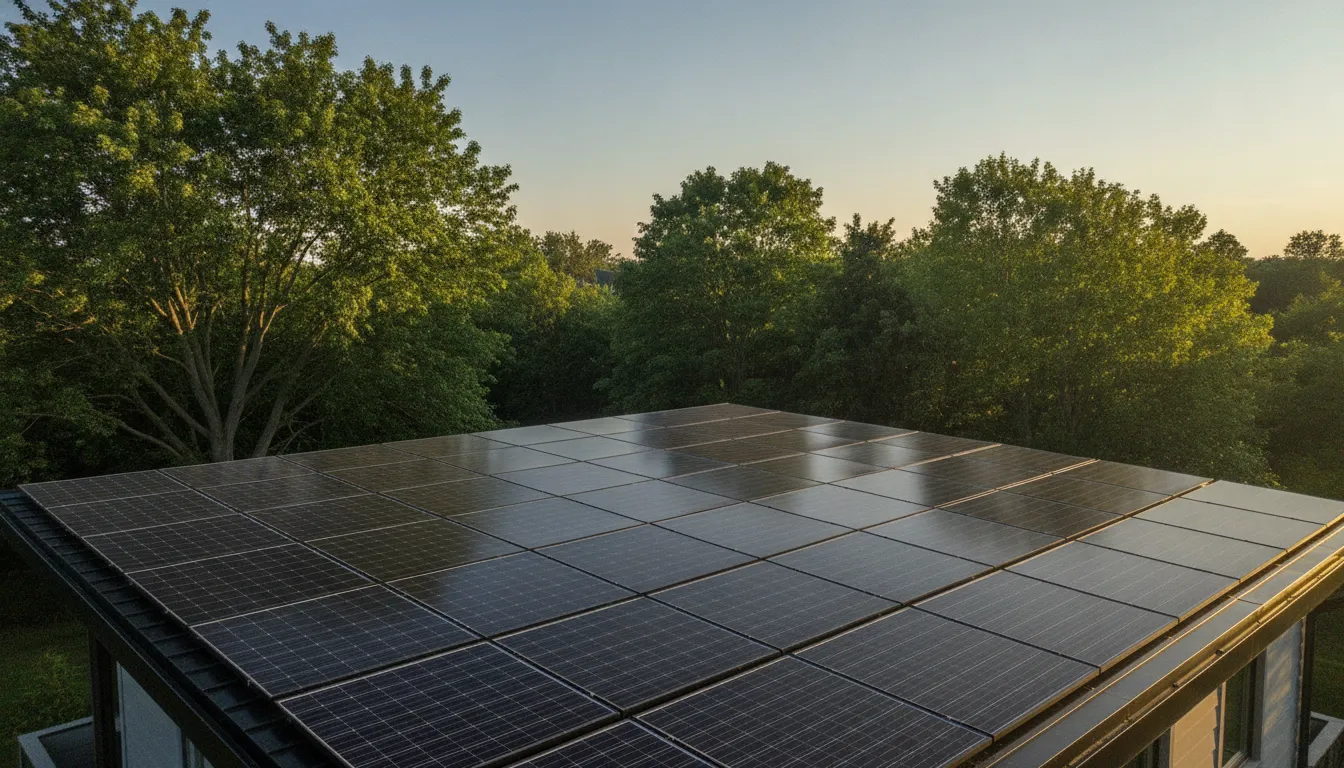
In 2026, the combination of accessible technology, favorable legislation, high solar potential, and elevated energy rates makes residential solar energy one of the smartest choices a homeowner can make. The savings on the electricity bill are real, the return on investment is predictable, and the positive environmental impact is concrete.
You don’t need to wait for the perfect moment or be absolutely certain about every technical detail. The first step is simple: grab your last electricity bills and request a free quote from a certified company in your region. Most installers offer no-obligation simulations, and you’ll have a clear view of how much you could save.
Every panel installed on a rooftop is clean energy that didn’t need to be generated by a thermal power plant. Every family that reduces their electricity bill with the sun is also contributing to a more stable future — for their wallet and for the planet. And that’s a change that starts on your own roof.
