
Why Preserving the Environment Starts with Your Daily Choices
Have you ever stopped to think that every decision you make throughout the day — what you eat for breakfast, how you get to work, what you do with the waste generated in your home — has a real impact on the planet? It may seem like an exaggeration, but the sum of billions of individual choices concretely shapes the state of ecosystems, climate, and biodiversity around the world. And the good news is that this also means each person has the power to make change in their hands.
We are living in a critical moment, but also one of great mobilization. IPCC (Intergovernmental Panel on Climate Change) reports reinforce that the coming decades will be decisive for limiting global warming and its most severe effects. In Brazil, we are both part of the problem — with deforestation, fossil fuel consumption, and growing waste generation — and an essential part of the solution, given our enormous biodiversity and potential for renewable energy. If you want to better understand what is already changing in our territory, it’s worth reading about Climate Change in Brazil: What Is Already Happening.
This article was created to be a practical and honest guide. We won’t promise that switching your plastic straw will save the forests on its own — but we will show how consistent habits, added together, create a real difference. Get ready to leave here with concrete actions you can start today.
Consume Consciously: The Power of Buying Less and Better
Excessive consumption is one of the main drivers of environmental degradation. Producing goods requires energy, water, raw materials, and generates waste at every stage — from extraction to disposal. Before any purchase, one simple question already helps a lot:
“Do I really need this, or do I just want it?”
This mental filter is the first step toward so-called conscious consumption. But there are other practical habits that make a difference:
- Prioritize durable products instead of disposables — a stainless steel bottle, for example, can replace hundreds of plastic cups over the years.
- Research before buying: prefer brands with verifiable environmental commitments and recognized certifications, such as IBAMA’s Green Seal or sustainable origin certifications.
- Buy local and seasonal: food produced near you travels less distance (fewer transport emissions) and seasonal fruits don’t depend on artificial greenhouses with high energy consumption.
- Avoid fast fashion: the textile industry is one of the most polluting in the world, consuming large volumes of water and generating chemical waste. Prefer quality pieces, thrift stores, and swaps with friends.
- Reduce packaging: bring reusable bags, opt for larger packages (less plastic per unit of product), and avoid excess individual packaging.
Household Waste: How to Reduce, Separate, and Dispose of Correctly
Brazil generates more than 80 million tons of urban solid waste per year, according to data from Abrelpe’s Panorama of Solid Waste in Brazil. Of this total, a significant portion still goes to dumps or landfills without any recovery. The good news is that you can act directly in this chain.
Step by step for more sustainable household waste management
- Reduce first: before recycling, ask yourself how to generate less waste. Avoid disposable products, refuse unnecessary bags, and reuse packaging.
- Separate waste at home: have at least two containers — one for recyclables (clean and dry plastic, paper, metal, glass) and one for organic waste.
- Do composting: fruit peels, coffee grounds, leaves, and vegetable scraps turn into fertilizer in a few weeks. There are compact home composters for small apartments.
- Dispose of special items correctly: batteries, electronics, expired medications, and fluorescent bulbs don’t go in regular trash. Learn Where to Dispose of Batteries and Electronics Near You.
- Find selective collection points: use apps and websites like Cataki or municipal portals to locate recycling cooperatives and eco-points nearby.
Sustainable Eating: What You Eat Matters for the Planet
The way humanity produces and consumes food is responsible for a significant share of global greenhouse gas emissions, as well as being the main cause of deforestation and intensive freshwater use, according to FAO (Food and Agriculture Organization of the United Nations) reports.
This doesn’t mean you need to become vegan overnight. Small changes already have an impact:
- Reduce food waste: in Brazil, we lose and waste an enormous amount of food throughout the entire production chain. At home, plan meals, store food properly, and use peels and stems. For practical tips, see Less Waste in the Kitchen: Reduce Food Waste.
- Reduce beef consumption: cattle ranching has a high carbon footprint compared to other protein sources. Replacing one meal with red meat with legumes (beans, lentils, chickpeas) per week already makes a difference over the year.
- Support local farmers: farmers’ markets and collective buying groups connect consumers to producers who often use fewer agrochemicals and more sustainable practices.
- Prefer organic when possible: food produced without synthetic pesticides protects the soil, water, and local biodiversity.
Energy and Water: Use Less, Save More
Natural resources like freshwater and electricity are finite or depend on processes with environmental impact. Using them efficiently is one of the most direct ways to contribute.
Tips for saving electricity at home
- Replace incandescent or fluorescent bulbs with LED, which consume significantly less energy for the same brightness.
- Unplug appliances when not in use: standby mode continuously consumes energy.
- Use the washing machine with a full load and prefer the cold water cycle whenever possible.
- Consider solar photovoltaic energy: Brazil has one of the greatest solar potentials in the world, and the distributed generation market has grown significantly in recent years according to ANEEL data.
- Set the air conditioner between 23°C and 24°C: each degree lower represents a considerable increase in energy consumption.
Tips for saving water
- Fix leaks immediately: a dripping faucet can waste hundreds of liters per month.
- Reduce shower time: a ten-minute shower with a regular electric showerhead uses much more water than necessary for proper hygiene.
- Reuse rainwater to water plants and wash sidewalks.
- Water plants early in the morning or at night to reduce evaporation.
Urban Mobility: How to Get Around with Less Impact
The transportation sector is one of the main sources of CO₂ emissions in Brazil, with a strong presence of vehicles powered by fossil fuels. Rethinking how you get around is one of the changes with the greatest possible individual impact.
Some practical alternatives:
- Walk or bike for short trips — besides reducing emissions, it improves your health.
- Use public transportation whenever feasible: a full bus takes dozens of cars off the streets.
- Consider remote or hybrid work: each day without commuting eliminates a car or motorcycle trip.
- Organize carpools with colleagues who live along the same route.
- If you’re changing cars, evaluate electric or hybrid vehicles — the charging infrastructure is advancing in Brazil, and the cost per kilometer tends to be lower with electricity.
- Avoid short domestic flights when train or bus is a reasonable time option.
Nature Near You: How to Protect Local Biodiversity
Preserving the environment isn’t just about carbon and recycling. Biodiversity — the variety of life forms — is the foundation of all ecosystem services that sustain human life, from crop pollination to water purification. The IUCN (International Union for Conservation of Nature) maintains the Red List with thousands of threatened species worldwide, and Brazil holds a significant portion of global biodiversity.
You can contribute directly:
- Plant native species in your garden, balcony, or community garden: they attract local pollinators and don’t compete with regional flora.
- Avoid household pesticides in the garden — prefer biological control and composting.
- Don’t release balloons or paper lanterns: they cause fires, pollute rivers, and kill wild animals.
- Support conservation units: visit national and state parks, pay the visitation fee when applicable — this resource funds area management.
- Report environmental crimes: illegal burns, improper disposal, and animal trafficking can be reported to IBAMA and state environmental ombudsmen.
Conclusion: Every Action Counts — And Yours Does Too
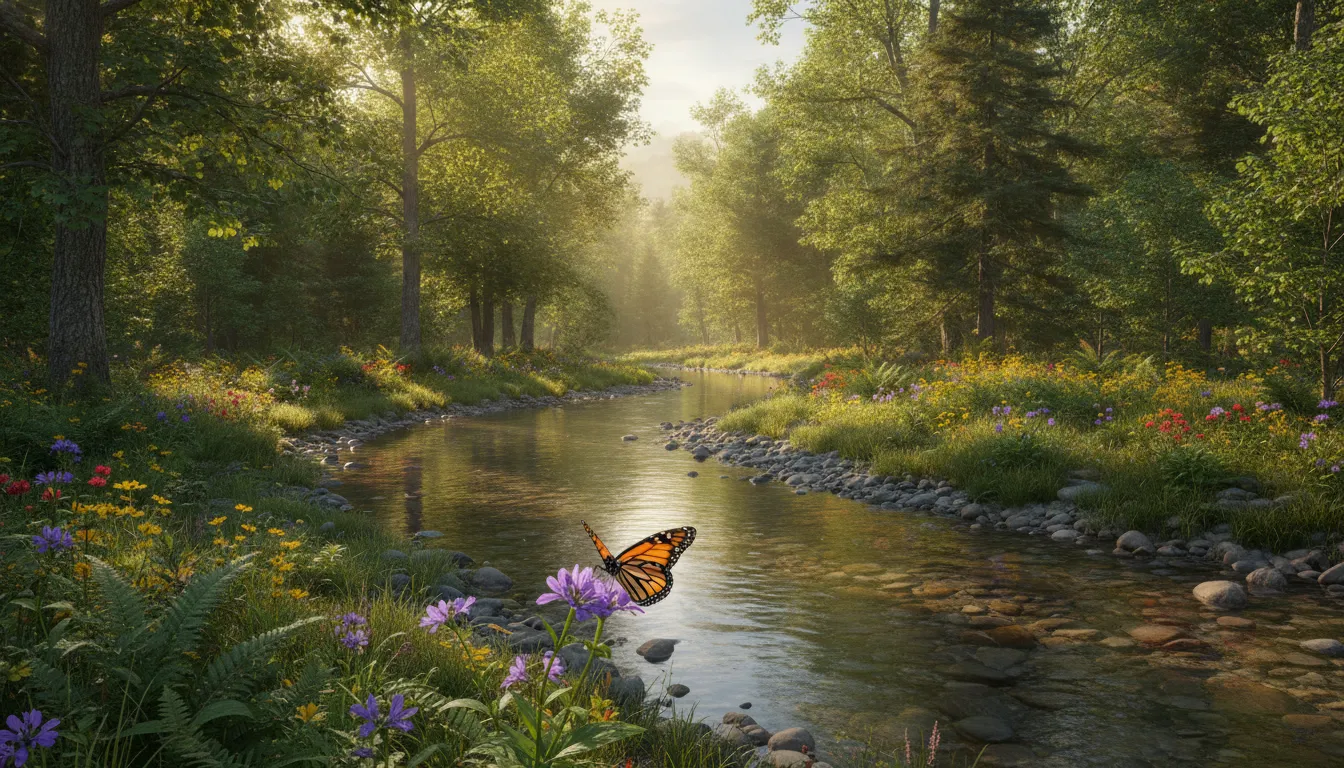
Preserving the environment in your daily life doesn’t require you to give up comfort or quality of life. It does require attention, intention, and consistency. The most powerful changes are not the grand and isolated ones, but the small and repeated ones over time, multiplied by millions of people.
Start with what’s easiest for you now: separate your trash, reduce shower time, buy less new clothing, eat less meat once a week. Then, move on to the next steps. The important thing is to start and not stop.
The planet doesn’t need perfection — it needs participation. And you’re already here, reading, thinking, and considering taking action. That’s already a start. Share this article with someone you believe also wants to make a difference. Together, we go further.
