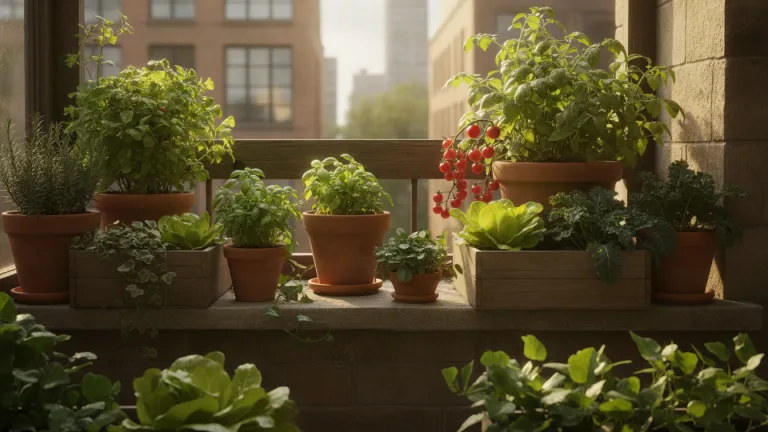
Imagine harvesting rosemary you planted yourself to season tonight’s dinner. Or picking a fresh mint leaf straight from the pot on your windowsill to make tea. This experience, which seems simple, is both an act of self-care and a profoundly sustainable gesture — and it’s within reach of anyone, whether you have a backyard, a balcony, or just a sunny windowsill.
Growing plants at home has gained enormous popularity in recent years, and for good reasons. Beyond reducing dependence on processed foods wrapped in plastic, a home garden connects people to the natural cycle of life, reduces food waste, and even improves mental well-being. Studies from institutions like the University of Exeter (UK) have shown that gardening activities are associated with stress reduction and mood improvement — benefits that go far beyond the dinner plate.
If you’ve never planted anything in your life and don’t know where to begin, this guide was made exactly for you. We’ll go from basics to practical steps, with clear guidance and real tips so that your first home garden is a success — not a source of frustration.
Why growing at home is a truly sustainable choice
Before getting your hands dirty, it’s worth understanding the positive impact this choice represents. The global food system is one of the largest contributors to greenhouse gas emissions. According to IPCC (Intergovernmental Panel on Climate Change) reports, food systems — including production, transportation, packaging, and waste — account for about one-third of global greenhouse gas emissions.
When you grow your own herbs, greens, and vegetables, you eliminate transportation, plastic packaging, pesticide use, and the entire logistics chain involved in getting a bunch of parsley from the farm to your refrigerator. It’s a small individual contribution, but when multiplied by millions of people, it makes a real difference.
Additionally, growing at home encourages circular practices, such as using home composting to fertilize plants — transforming kitchen organic waste into nutrients that go back into the soil. This connects directly to a broader sustainable lifestyle, as you can explore in Sustainable Living: Small Actions That Change Everything.
What you’ll need: essential materials to get started
The good news is that setting up a home garden doesn’t require a large investment. You can start with very few items and evolve as your experience grows.
Basic items to get started:
- Pots or containers – These can be plastic, ceramic, wood, or even repurposed packaging (PET bottles, cans, wooden crates). Size matters: herbs need smaller pots; tomatoes and peppers require deeper, wider containers.
- Quality growing medium – Avoid using pure garden soil. A good potting mix is usually a blend of vegetable soil, worm castings, and perlite or coarse sand to ensure good drainage.
- Seeds or seedlings – Seedlings are easier for beginners; seeds require a bit more patience and care during germination.
- Saucer or tray – To prevent water from dripping and causing damage to the surface where the pots sit.
- Small watering can – Choose one with a fine spout for gentle watering.
- Sunlight – Not something you can buy, but it’s the most essential of all. Most herbs and vegetables need at least 4 to 6 hours of direct sunlight per day.
Which plants are ideal for beginners
Choosing the right plants at the start is essential to avoid frustration. Some species are much more resilient, adaptable, and rewarding for beginners.
Aromatic herbs: the perfect starting point
Herbs are the favorites of home gardens — they grow fast, take up little space, tolerate small pots, and have immediate use in the kitchen.
- Basil – Loves heat and full sun. Grows well on a balcony or sunny window.
- Mint – Very resilient and spreads easily. Best grown in a separate pot to prevent it from invading other plants.
- Chives and parsley – Kitchen classics that adapt well to indoor environments with good light.
- Rosemary – Tolerates dry periods and prefers direct sun. Low maintenance.
- Thyme – Compact and aromatic, great for small spaces.
Easy vegetables to grow in containers
- Lettuce – Grows quickly, tolerates partial shade, and can be harvested leaf by leaf.
- Arugula – Germinates in just a few days and has a short cycle.
- Radish – One of the fastest: from seed to plate in about 30 days.
- Chili peppers – Very adaptable to warm climates, produces for months on end.
Step by step: how to set up your first home garden
Now let’s get practical. Follow this guide and you’ll have your garden up and running in just a few days.
- Choose the location – Observe where in your home or apartment gets the most sun throughout the day. Windows facing south or east typically receive good sunlight in the Northern Hemisphere. If light is limited, prioritize lettuce and parsley, which tolerate partial shade.
- Choose your containers – To start, two or three medium pots (with a capacity of 2 to 5 liters) are enough. Check that they have drainage holes at the bottom — this is essential to prevent root rot.
- Prepare the growing medium – A simple and effective mix: 50% commercial potting soil + 30% worm castings + 20% coarse sand or perlite. This combination ensures nutrition, balanced moisture retention, and proper drainage.
- Plant the seedlings or seeds – If using seedlings, make a hole in the center of the pot, carefully place the seedling without damaging the roots, and gently press the soil around it. If using seeds, follow the package instructions for planting depth — most herbs need to be planted less than 1 cm deep.
- Water carefully – Right after planting, water slowly until water begins to drain from the bottom. From then on, the general rule is: water when the surface of the soil feels dry to the touch. Overwatering is the number one cause of plant death in containers.
- Monitor and fertilize – Every 15 to 30 days, apply an organic liquid fertilizer (such as diluted worm casting tea) to replenish the nutrients consumed by the plants.
- Harvest regularly – Don’t wait for the plant to “get too big.” Regular harvesting stimulates growth. With basil, for example, always remove the top shoots to prevent early flowering and loss of flavor.
Common beginner mistakes (and how to avoid them)
Knowing the most frequent pitfalls is half the battle to not repeating them.
- Overwatering – This is the most common mistake. Roots suffocated by excess water rot quickly. Always check the soil before watering.
- Too little light – Plants in very shady spots become “leggy” (growing thin and weak reaching for light). If you notice this, move the pot to a different location.
- Inadequate growing medium – Regular garden soil tends to compact inside pots, harming the roots. Invest in a good potting mix.
- Pots without drainage – A pot without holes at the bottom accumulates water and kills roots. If your pot doesn’t have holes, make them yourself with a heated nail or drill.
- Mixing mint with other plants – Mint is invasive and will aggressively compete for space. Always keep it in a separate pot.
- Giving up too soon – Some plants take time to establish. If a leaf turns yellow, don’t panic. Observe the plant’s overall pattern before concluding something is wrong.
Home composting: turning waste into fertilizer for your garden
A home garden becomes even more sustainable when combined with home composting. Instead of throwing away fruit peels, coffee grounds, eggshells, and vegetable scraps, you can transform them into nutrient-rich fertilizer for your own plants.
EMBRAPA (Brazilian Agricultural Research Corporation) provides guidance on home composting techniques accessible even for apartments, including vermicomposting — which uses worms to speed up the process and fits in compact bins inside your home.
Homemade compost is an excellent and free organic fertilizer that closes the loop: kitchen waste returns to the soil as nutrition, and the soil feeds the vegetables that return to your table. This kind of circularity is the heart of a truly sustainable lifestyle.
Conclusion: start small, think big
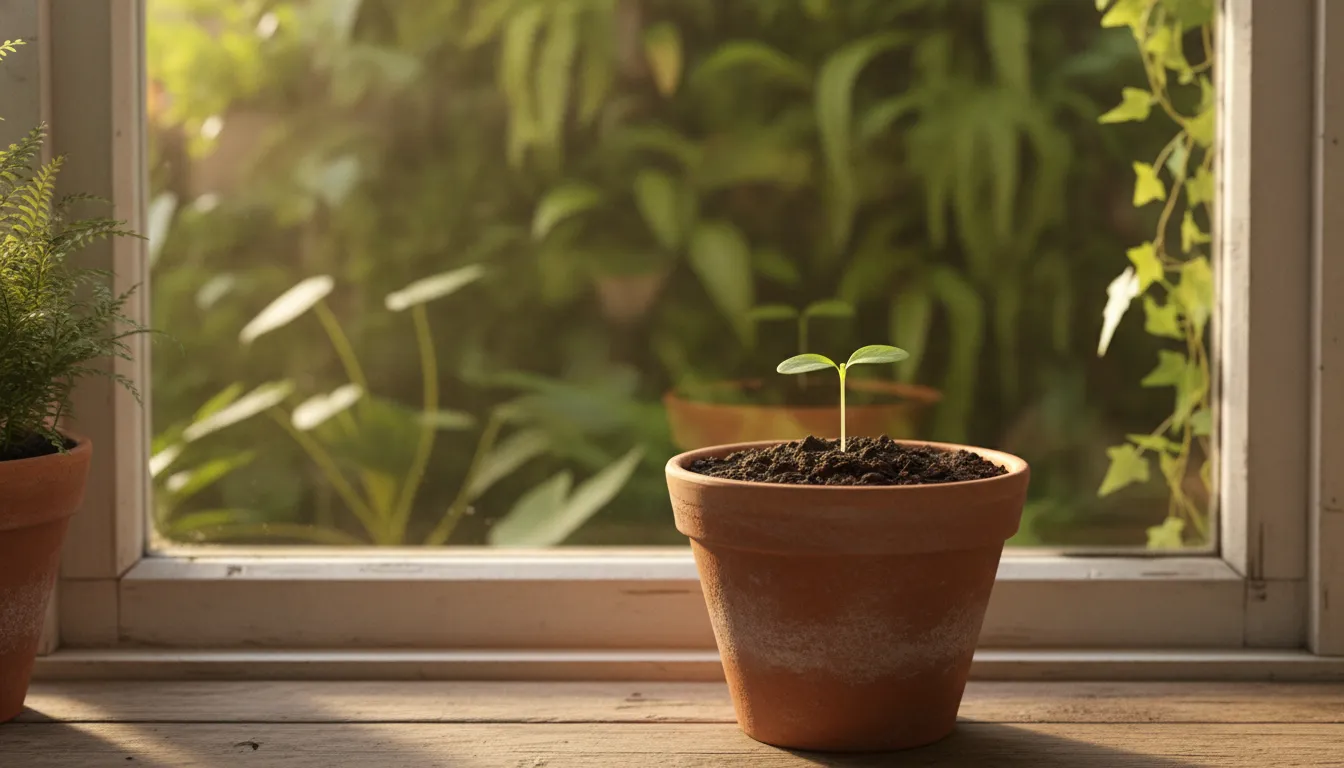
You don’t need a garden, lots of money, or years of experience to start growing at home. Three pots, some potting mix, herb seeds, and a sunny window are enough to take the first step.
Growing at home is one of those gestures that transforms people’s relationship with what they eat, with nature, and with the planet — quietly but consistently. It’s an individual action with collective value, especially at a time when rethinking food consumption patterns is urgent.
So choose a plant you frequently use in the kitchen, buy or repurpose a pot, prepare the growing medium, and plant. The first tomato harvested at home tastes different — not just because of the freshness, but because of the satisfaction of having cared for something that cared for you in return.
Start today. Your garden — and the planet — will thank you.
