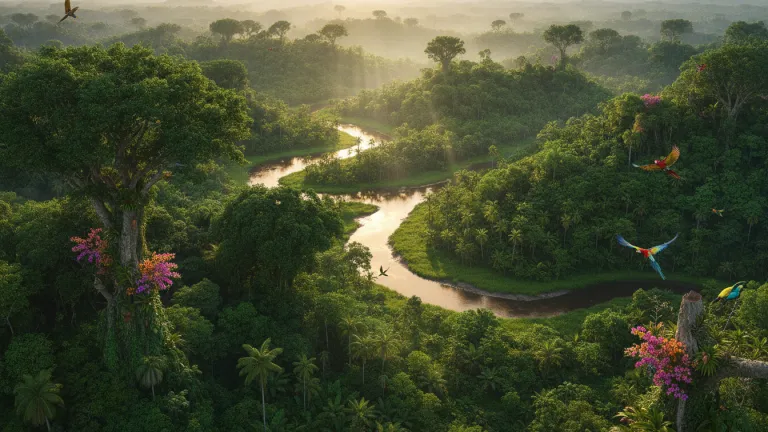
Imagine waking up one day and no longer hearing birds singing in the morning. No buzzing of bees, no butterflies in the garden, no fish in the nearby river. Sounds far-fetched? For many species and ecosystems around the world, this silence has already begun. Biodiversity loss is one of the most urgent environmental crises of our time — and, contrary to what many people think, it directly affects your life, your health, and the food on your plate.
The word “biodiversity” may seem technical and reserved for scientists, but the concept is surprisingly simple and profoundly human. It represents the web of life: all the variety of living beings that inhabit Earth, from bacteria invisible to the naked eye to the largest whales in the oceans. Each thread of this web serves a function. When one thread breaks, the others tremble.
In this article, you’ll understand what biodiversity truly is, why it matters for your daily life, what the main threats it faces are, and — most importantly — what you can do right now to help protect it.
What Is Biodiversity: Far Beyond Exotic Animals
Biodiversity isn’t just about tigers and pandas. According to the UN Convention on Biological Diversity (CBD), the term encompasses three fundamental dimensions:
- Species diversity: the variety of animals, plants, fungi, and microorganisms that exist on the planet.
- Genetic diversity: the differences within the same species — for example, the hundreds of cassava varieties grown in Brazil.
- Ecosystem diversity: the plurality of natural environments, such as forests, savannas, mangroves, coral reefs, and grasslands.
This richness isn’t decorative. It’s functional. Pollinators like bees and butterflies ensure the reproduction of about 75% of plant species cultivated for human food, according to FAO (Food and Agriculture Organization of the United Nations) data. Fungi and microorganisms in the soil decompose organic matter and fertilize the land. Mangroves and forests regulate the rain cycle and protect entire communities against floods.
Brazil, it’s worth noting, is the megadiverse country par excellence: it harbors the greatest biodiversity on the planet, with more than 20% of all known species on Earth, including the Amazon, the Cerrado, the Atlantic Forest, the Pantanal, and the Caatinga — each with unique and irreplaceable ecosystems.
Why Biodiversity Is in Crisis: The Main Threats
The situation is serious. The IUCN Red List (International Union for Conservation of Nature) periodically assesses the conservation status of species around the world. According to its most recent assessments, more than 46,000 species are classified as threatened with extinction — and this number grows with each update.
The main causes are well documented:
- Habitat destruction: deforestation for agriculture, livestock, and urbanization is the greatest threat. In Brazil, biomes like the Atlantic Forest have already lost more than 85% of their original cover over the centuries.
- Overexploitation: illegal hunting, predatory fishing, and wildlife trafficking drain entire populations of species.
- Pollution: pesticides, plastics, industrial waste, and untreated sewage contaminate soils, rivers, and oceans.
- Invasive species: animals and plants introduced into ecosystems where they didn’t evolve can eliminate native species through competition or predation.
- Climate change: global warming alters temperatures, rainfall patterns, and seasons, displacing or extinguishing species that cannot adapt quickly. To better understand this relationship, see what causes global warming in simple terms.
These threats don’t act in isolation — they combine and amplify each other, making ecosystem recovery increasingly difficult.
What You Lose When Biodiversity Declines: Ecosystem Services
There’s a fundamental concept for understanding why biodiversity matters to you: ecosystem services. These are the benefits that natural ecosystems provide to humanity, often invisibly and free of charge.
Services that sustain your daily life
| Service | What biodiversity does for you |
|---|---|
| Food | Pollinators ensure the production of fruits, vegetables, and grains |
| Clean water | Forests filter and regulate the water cycle |
| Clean air | Plants and trees absorb CO₂ and release oxygen |
| Medicines | A large portion of pharmaceuticals originate from natural compounds |
| Disaster protection | Mangroves and forests buffer floods and landslides |
| Climate regulation | Healthy ecosystems store carbon and stabilize the climate |
When these services deteriorate, the costs appear in the form of water crises, crop failures, emerging diseases, and more frequent natural disasters. The water supply crisis that several Brazilian cities have faced in recent decades has direct roots in the deforestation of watersheds — a biodiversity problem, not just a climate one.
Biodiversity and Food: A Connection You Feel Every Day
What you put on your plate depends directly on biodiversity. The genetic variety of cultivated plants, for example, is what allows farmers to develop varieties resistant to pests, droughts, and diseases. When this diversity is lost — whether through abandoning traditional cultivars or the extinction of wild species related to cultivated plants — agriculture becomes more vulnerable.
The human diet is also one of the factors that most affects biodiversity. The expansion of pastures and monocultures to produce meat and soybeans (largely destined for animal feed) is one of the main causes of deforestation. Reducing meat consumption, even gradually, is one of the individual actions with the greatest documented impact. If you want to know how to do this without sacrificing health or pleasure at the table, check out the guide reduce meat consumption gradually and healthily.
What Is Being Done: Agreements, Goals, and Global Initiatives
In December 2022, COP15 on Biodiversity, held in Montreal, resulted in the Kunming-Montreal Global Biodiversity Framework, a historic agreement signed by more than 190 countries. The central goal — known as “30×30” — proposes protecting at least 30% of the planet’s terrestrial and marine areas by 2030.
Brazil, with its extraordinary megadiversity, holds a strategic position in this scenario. The Brazilian system of Conservation Units, managed by ICMBio (Chico Mendes Institute for Biodiversity Conservation), covers a significant area of the national territory, including national parks, biological reserves, and environmental protection areas. Additionally, initiatives like the Amazon Protected Areas Program (ARPA) represent concrete large-scale conservation efforts.
In the scientific field, the Intergovernmental Science-Policy Platform on Biodiversity and Ecosystem Services (IPBES) — the biodiversity equivalent of the IPCC — publishes regular assessments of the state of global ecosystems, guiding public policies and business decisions.
How to Protect Biodiversity: What You Can Do Today
The good news is that individual actions combined make a real difference. Here’s a set of practical and accessible actions:
Changes in consumption and diet
- Reduce consumption of meat and dairy, especially those of industrial origin, prioritizing plant proteins and meats with lower environmental impact.
- Buy local and seasonal foods: products grown near you travel shorter distances and tend to depend less on intensive chemical inputs.
- Value food diversity: try less common varieties of fruits, vegetables, and grains. This encourages farmers to maintain traditional cultivars.
- Avoid food waste: producing food that ends up in the trash wastes natural resources and puts even more pressure on ecosystems.
Actions in the space where you live
- Plant natives: if you have a garden, balcony, or backyard, prefer native species from your region. They attract local pollinators and birds and require less water and maintenance.
- Avoid household pesticides: pesticides used in gardens and home vegetable patches affect bees and other pollinators.
- Build an insect hotel: simple structures made with bamboo, straw, and wood offer shelter for beneficial insects.
- Maintain areas with spontaneous vegetation: not all “weeds” are enemies — many plants considered “invasive” are food sources for pollinators.
Engagement and citizenship
- Support conservation organizations with donations or volunteer work: NGOs like SOS Atlantic Forest, WWF Brazil, Socio-Environmental Institute (ISA), and Conservation International work to protect Brazilian ecosystems.
- Vote with environmental awareness: public policies have much greater impact than individual actions combined. Candidates committed to environmental legislation make a concrete difference.
- Report environmental crimes: in Brazil, illegal deforestation and animal trafficking can be reported through channels like the National Environmental Information System (SISNAMA) and the ICMBio app.
- Educate and talk: share what you know with family and friends. The change in mindset begins in everyday conversations.
Biodiversity and the Future: Why There’s Still Hope
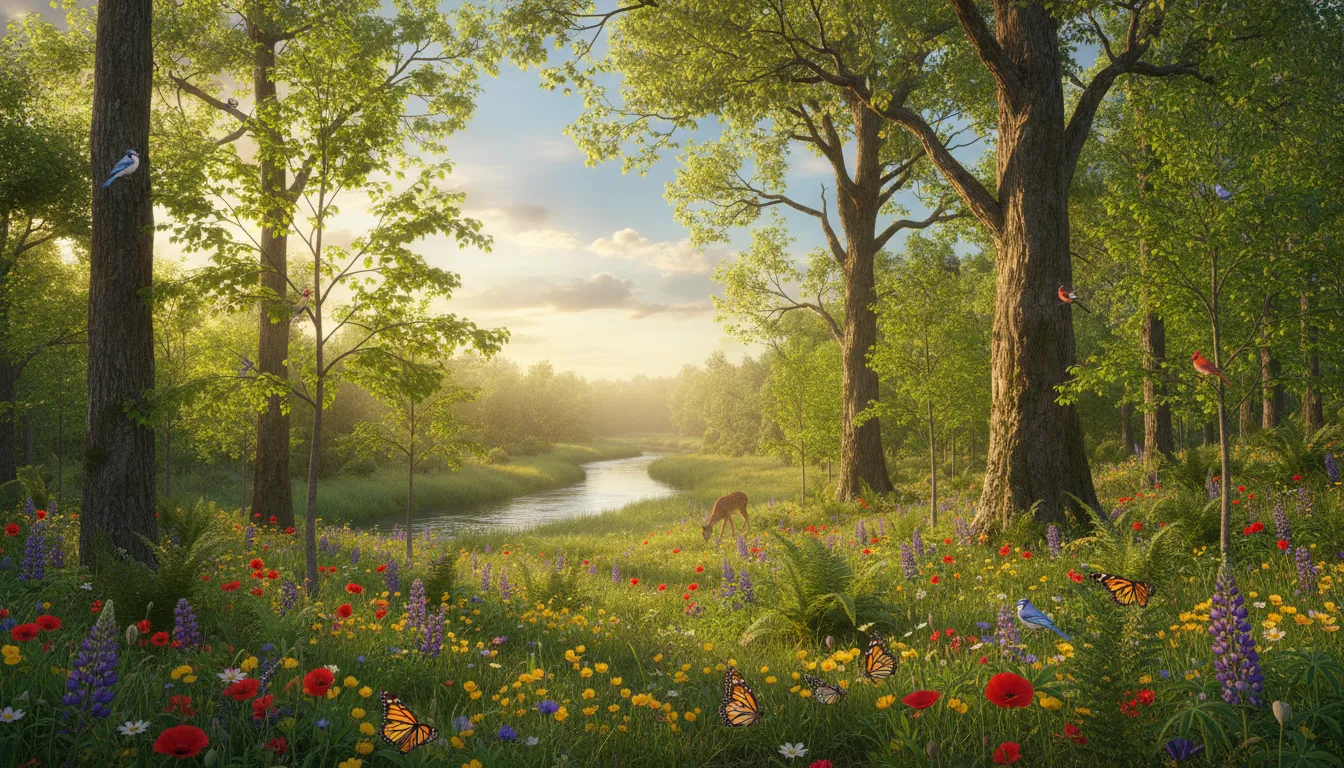
Despite the challenging scenario, there are real reasons for optimism. Species once extinct in the wild have been successfully reintroduced to their original habitats. The maned wolf and golden lion tamarin, threatened with extinction in the past, have recovering populations thanks to conservation programs. The Atlantic Forest, despite being fragmented, regenerates in areas where human pressure decreases.
Science advances in ecological restoration techniques, satellite monitoring, and genetic sequencing that help identify and protect species before it’s too late. And civil society engagement, especially among young people, grows consistently.
The most important thing is to understand that protecting biodiversity is not a sacrifice — it’s an investment in everything that sustains us. Every tree planted, every hectare preserved, every more conscious consumption choice is a step in the right direction.
You don’t need to do everything at once. Start with one thing: plant a native seedling, reduce one meat meal per week, support a local producer. Small changes, multiplied by millions of people, build a different planet. And that planet begins to be built today — by you.
