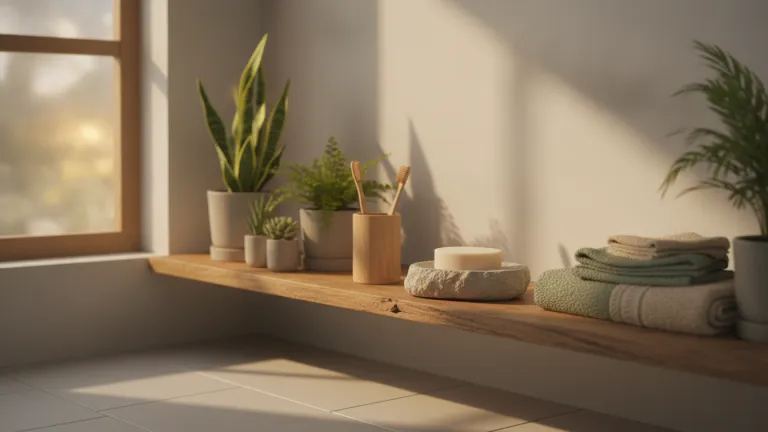
Sustainable Bathroom Products Worth Every Penny
The bathroom is one of the most overlooked rooms when it comes to sustainability — and also one of the most wasteful. Water running while we brush our teeth, plastic packaging discarded every few weeks, chemicals flowing down the drain and reaching rivers: all of this accumulates silently but consistently. The good news is that there are concrete, accessible, and effective alternatives to transform this space into an ally for the planet.
In recent years, the market for sustainable bathroom products has grown significantly in Brazil and worldwide. National and international brands now offer options that replace traditional disposable items without sacrificing practicality or hygiene. The challenge, of course, is separating what actually works from what’s just “greenwashing” — that pretty green packaging that changes nothing on the inside.
In this article, we’ve gathered sustainable bathroom products that truly deserve the investment: items with proven lower environmental impact, real durability, and favorable long-term cost-effectiveness. Whether you’re just starting out or want to go beyond the basics, this guide was made for you.
Why Your Bathroom Needs Sustainable Attention
When we think about conscious consumption, the kitchen and living room usually come up first in conversation. But the bathroom concentrates a powerful combination of waste: water, plastic, and chemical substances.
Brazil is one of the world’s largest per capita water consumers among countries with high water availability, and much of this consumption happens at home — in showers, brushing teeth, and flushing toilets. Additionally, shampoo, conditioner, liquid soap, toothpaste, and general hygiene product packaging represent a significant portion of single-use plastic that goes to landfills every year.
The transition to a more sustainable bathroom doesn’t need to happen all at once. The smartest path is to replace products as they run out, prioritizing alternatives with greater durability, less packaging, and ingredients that are less aggressive to the environment.
Solid Shampoo and Conditioner: Less Plastic, More Product
One of the most popular — and most justified — substitutions is switching from liquid shampoos and conditioners to solid bar versions. The logic is simple: liquid products are primarily composed of water, which means you’re essentially paying to transport and package H₂O.
Solid shampoos are concentrated. A medium-sized bar can last the equivalent of two or three conventional plastic bottles, depending on hair type and frequency of use. This means less discarded packaging and, generally, a lower cost per wash over time.
What to look for when buying:
- Prefer formulas with a short ingredient list and without aggressive sulfates like SLS (Sodium Lauryl Sulfate) in high concentration
- Check if the packaging is recycled or compostable paper
- Give preference to brands that disclose ingredient origins and don’t test on animals
- Brazilian brands like Lola Cosmetics, Bô, and Granado already offer solid lines with good reputation
Adjustment period: hair accustomed to conventional products may take 2 to 4 weeks to adapt to the new formulation. This period is normal and doesn’t mean the product isn’t working.
Bamboo Toothbrush: A Classic That Actually Works
The bamboo toothbrush has become a symbol of the sustainable bathroom — and for good reason. Conventional plastic toothbrushes take hundreds of years to decompose in landfills. A bamboo toothbrush with nylon bristles still generates waste (the bristles need to be removed and disposed of separately), but the handle, which represents most of the volume, is compostable.
There are already toothbrushes on the market with activated charcoal bristles or plant-based bristles, which further expand composting potential. For those who wear braces or have specific needs, there are interdental versions and electric ones with replaceable heads, which already significantly reduces waste compared to disposable electric models.
Practical tip: when replacing your toothbrush (which should occur every three months, according to standard dental recommendations), remove the bristles with pliers, dispose of them in regular trash, and place the handle in home composting or an organic waste collection point.
Bar Soaps and Refills: Reducing Single-Use Plastic
Bar soap is one of the oldest and most efficient forms of hygiene — and today it’s back in force, now with vegan, natural formulations and minimal paper packaging. In terms of carbon emission per use, life cycle analysis studies have already shown that bar soaps tend to have a lower environmental footprint than liquid equivalents, mainly due to packaging and transportation.
For those who prefer liquid soap, the smartest alternative is the refill system. Some national and international brands already operate with models where you buy the bottle once and only purchase refills in smaller or simpler packaging. This significantly reduces the amount of plastic discarded.
You can also explore sustainable habits to transform your routine today to integrate these substitutions gradually and without guilt.
Sustainable Menstrual Care Products
This is a topic that deserves more space in sustainability conversations. Conventional disposable pads and tampons contain plastic, and each menstruating person uses, on average, thousands of units throughout their lifetime. The environmental impact is considerable, and the accumulated cost is too.
The most established sustainable alternatives on the market are:
- Menstrual cup: made of medical silicone, latex, or TPE, lasts an average of 5 to 10 years with proper care. Represents significant long-term financial savings and zero waste during use
- Washable cloth pads: reusable, washable, and last for years. There are national options at accessible prices
- Period underwear: combines comfort with sustainability; recommended for light to moderate flow
- Menstrual disc: similar to the cup but with a different design; can be used during intercourse
The transition may seem intimidating, but most people report satisfaction after the adjustment period. It’s worth starting with one item and experimenting.
Hair and Skin Products: Packaging and Ingredients Matter
Beyond solid shampoos, there’s an entire category of hair and skin products that deserves attention. Moisturizers, body oils, shaving creams, and hair masks often come in packaging that isn’t recyclable in Brazil — especially laminated packaging (metallic sachets) and mixed plastic bottles.
What to consider when choosing:
- Glass packaging: reusable and infinitely recyclable, unlike plastic
- Aluminum packaging: also with high recycling rates in Brazil, where aluminum has one of the most developed recycling markets in the world
- Multi-use products: a quality coconut or argan oil, for example, can work as a body moisturizer, ends conditioner, and even makeup remover — fewer products, fewer packages
Watch out for greenwashing: brown packaging and generic “natural” or “eco” labels without verifiable certification guarantee nothing. Look for recognized certifications like COSMOS, ECOCERT, or third-party verified cruelty-free certifications.
Water in the Bathroom: Small Changes, Big Impact
No conversation about a sustainable bathroom is complete without talking about water. Brazil faces growing water pressures in various regions, and conscious water use at home is one of the most direct actions anyone can take.
Devices that help save water
- Faucet aerators (flow restrictors): simple, low-cost devices that attach to the faucet and reduce flow without compromising perceived pressure
- Low-flow showerheads: efficient models available in the Brazilian market consume fewer liters per minute than conventional ones
- Dual-flush valve: allows choosing between full flush and half flush, saving water on bathroom trips that don’t require full volume
Habits that make a real difference
- Turning off the faucet while brushing teeth — this single habit can prevent wasting several liters per day
- Reducing shower time by just two or three minutes already represents significant water savings over the month
- Reusing the cold water at the beginning of the shower (while it heats up) to water plants or clean the bathroom
Just like in the kitchen — where simple substitutions like reusing packaging already make a difference — in the bathroom, the secret lies in consistency, not perfection.
How to Create a Sustainable Bathroom Step by Step
If you want to start in an organized way, follow this practical sequence:
- Take inventory of what you use — list all products in your bathroom and note which ones come in single-use plastic
- Prioritize by impact — start with items you consume fastest and discard most frequently (shampoo, soap, toothbrush)
- Replace as things run out — don’t throw away what’s still functional; wait until it’s empty and switch to the sustainable version
- Test before buying in quantity — try one bamboo toothbrush or solid shampoo before stocking up
- Research national brands — besides reducing the carbon footprint from transportation, you support the local sustainable products market
- Track your progress — comparing waste generated before and after is motivating and helps identify what can still improve
- Share — telling friends and family about what worked has a real multiplier effect
Conclusion: Every Bathroom Choice Counts
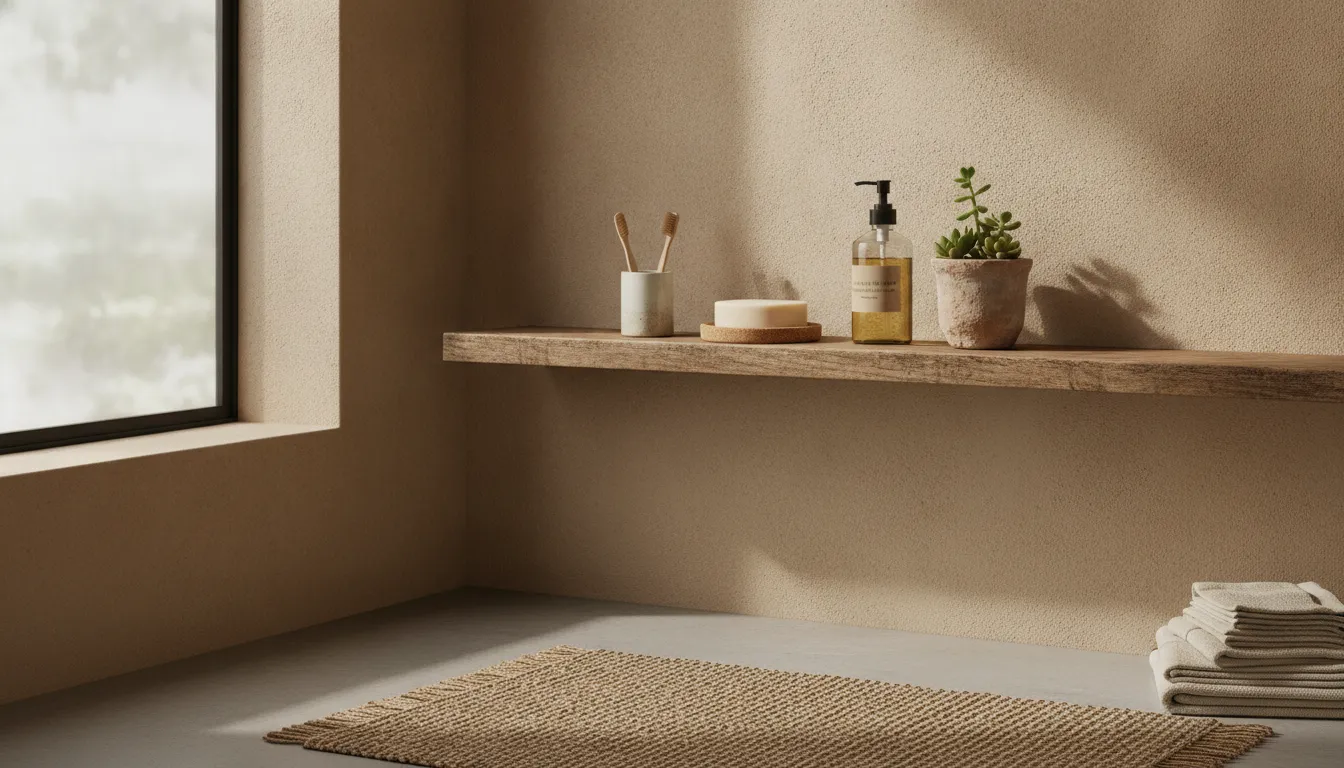
Transforming your bathroom into a more sustainable space doesn’t require perfection or a high extra budget. It requires, above all, attention and willingness to experiment. Most products mentioned here pay back the initial investment over time — whether through durability or savings on water and packaging.
In 2026, we have access to more sustainable options than ever, and the Brazilian market is maturing in this direction. You don’t need to change everything at once. Start with one product, observe the difference, and advance at your own pace. The sustainable bathroom isn’t a fixed destination — it’s a direction worth following.
Your action today: choose a single product from your bathroom that will run out soon and research the sustainable alternative before buying the next one. That alone is already a real start.
