The Problem Hiding in Your Drawer
There’s an item so common in kitchens that we barely notice its presence anymore: plastic wrap. That transparent, clingy sheet we use to cover bowls, wrap leftovers, and protect food in the refrigerator seems harmless, but represents one of the clearest examples of disposable waste in everyday household life. Made primarily from PVC (polyvinyl chloride) or low-density polyethylene, plastic wrap is used once and then discarded — usually without any possibility of recycling through conventional collection programs.
The cumulative impact of this habit is significant. Single-use plastics continue to be one of the main sources of pollution in landfills and oceans worldwide. According to the United Nations Environment Programme (UNEP), only a fraction of globally produced plastics is effectively recycled, and thin plastic films are among the materials with the lowest recovery rates, as they clog sorting machinery and are frequently rejected at recycling facilities.
The good news is that there are practical, accessible, and often more durable alternatives to replace plastic wrap in your kitchen. You don’t need a complete overhaul of your habits all at once. Small swaps generate real results — and this article was created to help you start today.
Why Plastic Wrap Is a Real Problem for a Sustainable Kitchen
Before talking about substitution, it’s worth understanding why plastic wrap deserves specific attention.
Difficulty in recycling: Conventional plastic wrap is not accepted in most municipal recycling programs. Even when disposed of in the correct bin, it tends to be separated as reject material at sorting facilities, as it contaminates batches of other recyclable materials and damages equipment.
Contact with food: Some types of plastic wrap, especially those made with PVC, may contain additives such as plasticizers. When heated — as occurs in microwaves — there is potential for substance migration into food. Health agencies have already advised caution when using inappropriate plastic packaging in contact with hot or fatty foods.
Volume of waste: In an active kitchen, weekly plastic wrap consumption can reach several meters, generating a volume of waste that accumulates silently throughout the year.
Understanding the problem, the solution involves finding substitutes that work well in daily life — and there are options for every budget.
The Best Alternatives to Plastic Wrap: A Practical Guide
Universal Silicone Lids: Practicality and Durability
Flexible silicone lids are one of the most direct and efficient replacements for plastic wrap. Available in sets with different diameters, they adapt to bowls, containers, pots, and even halves of fruits like avocado or lemon.
Advantages:
- Washable and reusable for years
- Withstand high temperatures (most can handle up to 450°F/230°C)
- Function as a vacuum seal when pressed
- Don’t transfer flavor or odor to food
How to use: Simply place the appropriately sized lid over the container and press the edges to create a seal. To store fruit halves, place directly over the cut surface.
Beeswax Wraps: The Natural and Beautiful Alternative
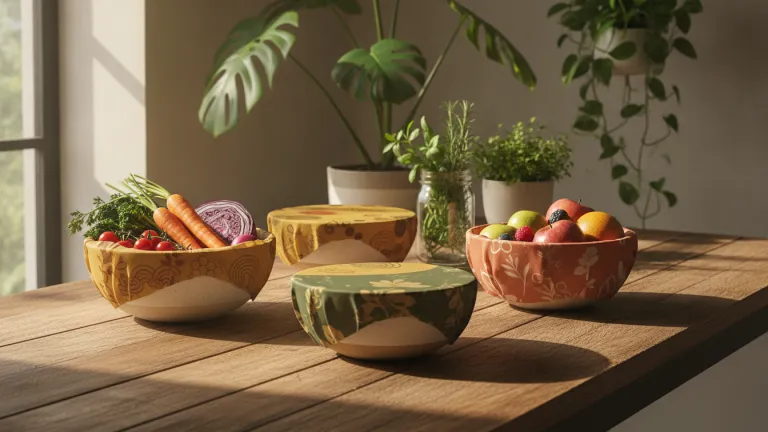
Beeswax wraps are cotton fabrics infused with beeswax (or carnauba wax for vegan versions), tree resin, and jojoba oil. They mold with the warmth of your hands, creating a flexible covering that adheres to containers or wraps food directly.
Advantages:
- Biodegradable at end of life
- Last an average of one to two years with proper care
- Available from artisan producers (supporting small businesses)
- Versatile for covering bowls, wrapping bread, cheese, or fruits
Important limitations:
- Do not use with raw meat or raw fish — the wax is not sanitizable enough for these foods
- Cannot withstand heat (don’t microwave or use hot water)
- Always wash with cold water and mild soap
Glass Lids and Containers: The Classic That Never Fails
Glass containers with lids (screw-top, snap-lock, or rubber-sealed) are perhaps the most durable and versatile alternative of all. They work for storing leftovers, taking food to work, going in the oven and freezer (with care regarding sudden temperature changes), and are completely recyclable.
If you already have preserve or jam jars at home, you already have the beginning of a collection. Reusing glass containers from products you already buy is one of the most economical ways to start — and also reduces packaging waste. To dive deeper into this topic, check out our article on how to Reuse Packaging and Reduce Waste at Home.
Elastic Silicone and Fabric Covers
Similar to universal lids, elastic covers have elasticized edges that fit different container shapes — including non-circular bowls. They’re washable, compact, and easy to store in drawers.
Plates as Lids: The Free and Immediate Method
You don’t always need to buy something new. Using an inverted flat plate over a bowl is an effective method for covering food in the refrigerator for a few hours. It works especially well for leftovers that will be consumed the same day or the next.
How to Make the Transition: Step by Step for Your Kitchen
Changing habits works best when done gradually and with planning. Follow this roadmap:
- Take inventory of what you already have. Check glass containers, tupperware with lids, and plates that can function as covers. Many homes already have underutilized options.
- Finish the roll of plastic wrap that’s already open. Don’t waste what’s already been produced. Use it up and, when finished, don’t buy more.
- Choose one main alternative to start with. For most people, a set of silicone lids is the easiest entry point. Buy a kit with four or five different sizes.
- Add beeswax wraps for solid foods. They’re great for wrapping bread, cheese, vegetables, and whole fruits. Keep two or three wraps of varying sizes.
- Organize a glass container system. Reserve a shelf or space in the refrigerator for labeled containers. Masking tape labels with dates help control storage time.
- Create the habit of checking what you have before wrapping. Before covering something with any material, ask: “Does this need to be stored or can it be consumed now?”
- Share the change with those who live with you. Habit changes at home work better when everyone understands the why and knows how to use the new tools.
Practical Comparison: Which Alternative Works for Each Situation?
| Situation | Best Alternative |
|---|---|
| Cover bowl in refrigerator | Silicone lid or inverted plate |
| Wrap half an avocado or lemon | Small silicone lid |
| Store bread or cheese | Beeswax wrap |
| Leftovers for more than 2 days | Glass container with lid |
| Take food to work | Glass or stainless steel container with lid |
| Marinate meats | Glass container or reusable silicone bag |
| Freeze foods | Freezer-safe glass container or silicone bag |
How Much Does the Transition Cost?
A legitimate question is the initial cost of substitution. It’s true that some alternatives require a higher initial investment than a roll of plastic wrap. But the economic logic changes when you consider durability:
- Set of silicone lids (5 sizes): between $6 and $16, with a lifespan of several years
- Beeswax wrap kit (3 pieces): between $8 and $18 for artisan versions
- Reused glass containers (from preserves and jams): zero cost
A medium-quality roll of plastic wrap costs between $2 and $4 and lasts only a few weeks in an active kitchen. In one year, the accumulated cost of plastic wrap can exceed the initial investment in reusable alternatives — which will continue working for much longer. The transition, therefore, makes sense both for the environment and for your wallet in the medium term.
Beyond Plastic Wrap: Reduce Kitchen Waste as a Whole
Replacing plastic wrap is an excellent gateway to a more sustainable kitchen, but the thinking can be expanded to other disposable items: plastic garbage bags, disposable cloths, unnecessary packaging, and much more.
Adopting sustainable habits to transform your routine today doesn’t require immediate perfection. It’s a process of progressive substitutions, where each conscious swap has real impact — especially when multiplied by thousands of families doing the same.
Also think about how you shop: preferring products with less packaging, bringing reusable bags to the store, and choosing bulk versions when available are attitudes that reduce waste before it even reaches your kitchen.
Start Today: Your Kitchen Can Be Different
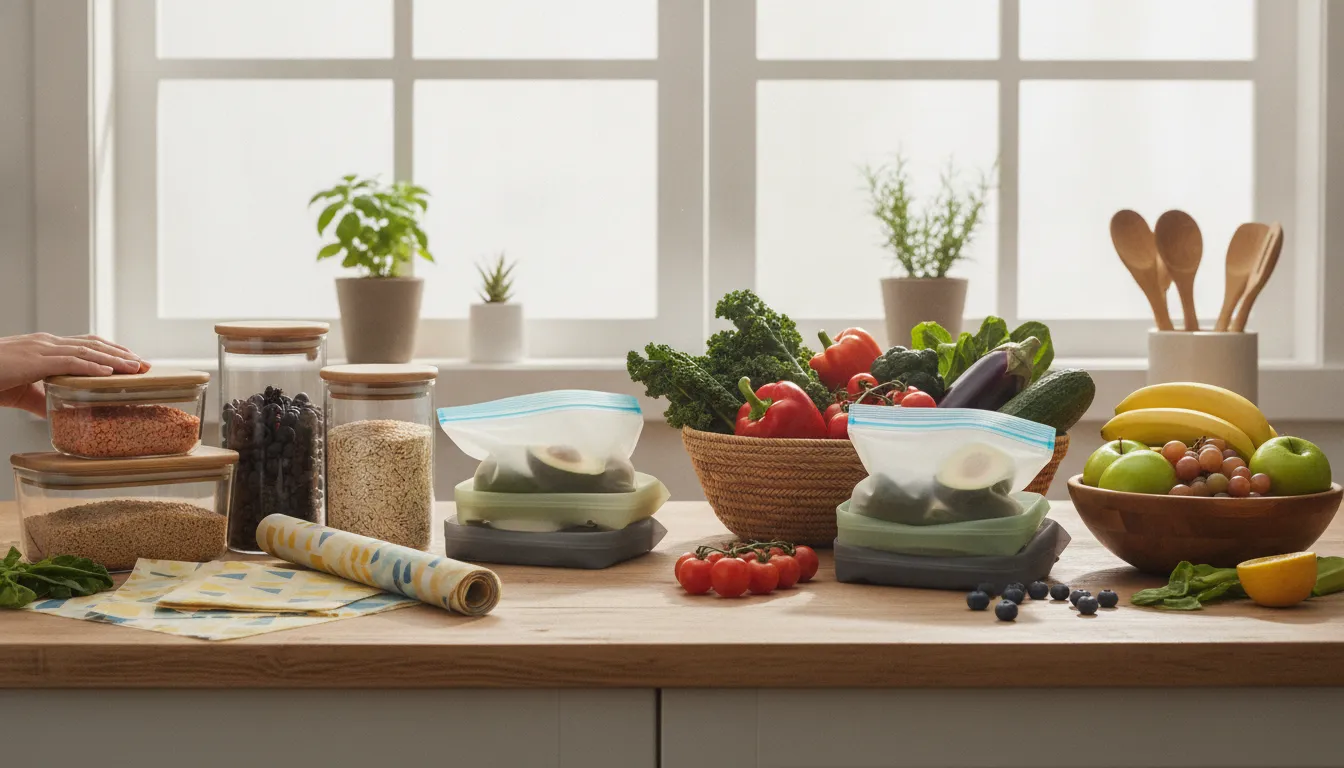
Replacing plastic wrap doesn’t require sacrifice, doesn’t require perfection, and doesn’t need to happen all at once. It starts with a simple decision: when the current roll runs out, don’t replace it. Instead, choose one or two alternatives that make sense for your routine and your budget.
Every roll of plastic wrap that doesn’t enter your kitchen is one less piece of waste in the landfill, one less package produced, and a concrete step toward more conscious consumption. This is real, measurable, and completely within your reach.
Share this article with someone who also wants to reduce kitchen waste — because habit changes spread better when done in community. And if you’re already making some of these substitutions, tell us in the comments: which alternative worked best for you?
