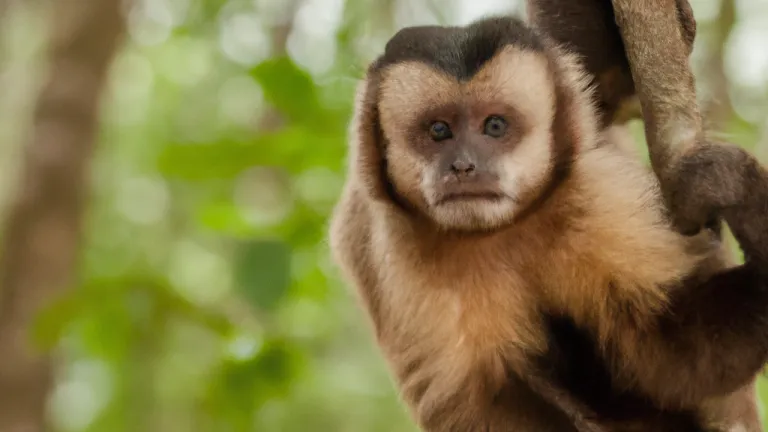
Protecting the Future: The Importance of Wildlife Conservation
Wildlife plays a crucial role in maintaining the ecological balance of our planet. Preserving these species is essential for ensuring a sustainable future for generations to come. In this article, we will explore the importance of wildlife protection and how we can contribute to its conservation.
The Importance of Wildlife
Wildlife includes a vast range of species, from terrestrial and aquatic animals to plants and microorganisms. These species play vital roles in ecosystems, contributing to plant pollination, climate regulation, biodiversity maintenance, and ecosystem balance.
Moreover, wildlife also has intrinsic value, meaning they have the right to exist independently of their value to humans. The diversity of wild species makes our planet richer and more interesting, providing beauty and inspiration for people.
Threats to Wildlife
Unfortunately, wildlife faces numerous threats worldwide, including habitat loss, illegal hunting, pollution, and climate change. The destruction of natural habitats to make way for agriculture, urbanization, and natural resource exploitation is one of the main causes of declining wildlife populations.
Illegal hunting and the trade of endangered species also pose a significant threat to wildlife. Many animals, such as elephants, rhinos, and tigers, are hunted for their skins, horns, and other valuable products, leading to a decline in their populations globally.
Furthermore, air, water, and soil pollution are negatively affecting the health and well-being of wildlife, making their habitats increasingly unsuitable for survival. Climate change is also having significant impacts on wildlife, altering migration, reproduction, and feeding patterns of many species.
How We Can Protect Wildlife
To protect wildlife and ensure its long-term survival, it is essential to adopt effective conservation and preservation measures. Some actions we can take include:
- Preservation of natural habitats: We must protect and conserve natural areas, such as forests, oceans, and savannas, which serve as homes for numerous wildlife species.
- Combating illegal hunting: It is crucial to strengthen laws and regulations to combat illegal hunting and the trade of endangered species.
- Reducing pollution: We should adopt sustainable practices to reduce air, water, and soil pollution, thereby protecting the natural habitats of wildlife.
- Combating climate change: We need to take urgent measures to reduce greenhouse gas emissions and mitigate the impacts of climate change on wildlife.
Additionally, public awareness and education play a crucial role in wildlife protection. By informing people about the importance of wildlife conservation and the threats it faces, we can mobilize society to act in favor of preserving these precious species.
Conclusion
Preserving wildlife is essential for ensuring a sustainable future for our planet. Protecting wild species and their habitats is not only a matter of environmental responsibility but also a matter of survival for future generations. Each of us can contribute to wildlife conservation by adopting sustainable practices in our daily lives and supporting nature preservation initiatives.
Together, we can protect the future of wildlife and ensure that future generations can enjoy the beauty and diversity of nature in all its splendor.
