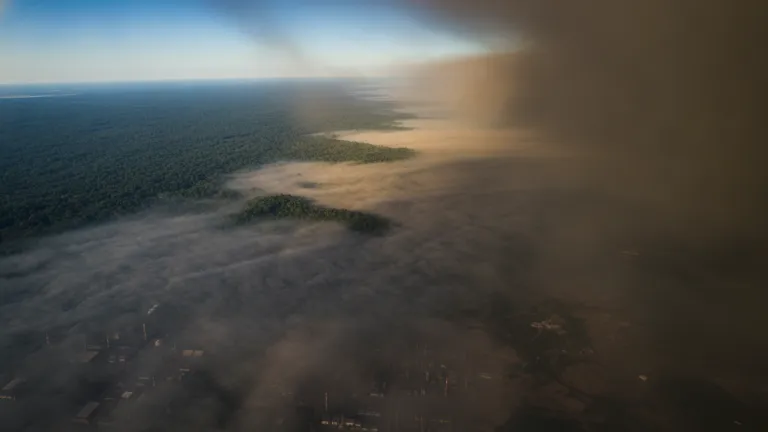
Imagine waking up on a July morning and feeling unusual heat — not just from the sun, but from something happening on a global scale, silently, for decades. Global warming is no longer a distant prediction: it’s present in record-breaking heat waves, unseasonal rainfall, and droughts affecting entire communities. But despite all the talk about it, many people still have questions about what’s actually causing this phenomenon.
The good news is that understanding global warming doesn’t require being a scientist. The causes are real, identifiable, and largely linked to human choices — which means they’re also within reach of human change. In this article, we’ll explain simply and clearly what’s behind the planet’s rising temperature, which gases and activities are most responsible, and what each of us can do starting today.
If you’ve ever wondered “why is the planet actually warming?”, keep reading. The answer is more accessible than it seems — and more urgent than we’d like.
The Greenhouse Effect: The Natural Phenomenon That Became a Problem
To understand global warming, we need to start with the greenhouse effect, which, contrary to what many think, is a natural and essential process for life on Earth. Without it, the planet’s average temperature would be around -18°C — inhospitable for most living beings.
The greenhouse effect works like this: energy from the sun reaches Earth’s surface as light, heats the ground and oceans, and part of this energy is radiated back into the atmosphere as heat. Certain gases in the atmosphere — called greenhouse gases (GHGs) — trap part of this heat, preventing it from completely escaping into space. The result: Earth maintains a mild temperature.
The problem began when human activities started releasing increasingly larger amounts of these gases into the atmosphere. With more GHGs in circulation, more heat is trapped — and the planet warms beyond its natural balance. According to the Intergovernmental Panel on Climate Change (IPCC), the global average temperature has already increased by about 1.1°C to 1.2°C compared to pre-industrial levels, and this number continues to rise.
The Main Greenhouse Gases and Where They Come From
Not all greenhouse gases are equal — they vary in abundance, origin, and warming potential. Understanding each one helps identify where to take action.
Carbon Dioxide (CO₂): the most famous villain
The carbon dioxide is the most discussed GHG because it’s emitted in enormous quantities. Its main source is the burning of fossil fuels — gasoline, diesel, coal, and natural gas — used in transportation, energy generation, and industry. Deforestation also releases CO₂ stored in trees directly into the atmosphere.
CO₂ remains in the atmosphere for centuries, meaning today’s emissions will still be warming the planet a hundred years from now.
Methane (CH₄): potent and underestimated
Methane has a much higher global warming potential than CO₂ in the short term — although it lasts less time in the atmosphere. Its main sources include:
- Livestock farming (cattle digestion and animal waste)
- Landfills with decomposing organic matter
- Natural gas and oil extraction and distribution
- Irrigated rice cultivation
Nitrous Oxide (N₂O) and Fluorinated Gases
Nitrous oxide comes mainly from the use of nitrogen fertilizers in agriculture and biomass burning. Fluorinated gases — used in refrigeration and air conditioning systems — are emitted in smaller quantities but have extremely high warming potential.
Burning Fossil Fuels: The Largest Source of Emissions
Burning coal, oil, and natural gas to generate energy and power vehicles is globally the largest source of CO₂ emissions. The energy and transportation sector accounts for the largest share of global greenhouse gas emissions, according to consolidated IPCC data.
In Brazil, the scenario has important particularities. Thanks to the predominance of hydroelectric plants and ethanol in the energy matrix, emissions from the energy sector are proportionally lower than in countries like China, the USA, or India. However, the growth of the vehicle fleet and dependence on road transport still contribute significantly to national emissions.
One of the most direct ways to reduce this dependence is to diversify energy sources. Residential solar energy, for example, is already a viable and accessible alternative for millions of Brazilians, and it’s growing rapidly in the country.
Deforestation: When Cutting Down a Tree Heats the Planet
Forests function as large carbon reservoirs: as trees grow, they absorb CO₂ from the atmosphere and store it in their biomass. When they’re cut down or burned, this carbon is released back — all at once.
Tropical deforestation, especially in the Amazon, is one of the most relevant causes of global warming in the Brazilian context. Besides releasing stored carbon, forest loss reduces the planet’s capacity to absorb future emissions. It’s a double blow: it emits and reduces compensation capacity.
If you want to better understand what’s at stake in the Amazon and how it connects to the global climate, it’s worth reading our article on deforestation in the Amazon and its impacts.
Agriculture and Livestock: Emissions That Come From Your Plate
Food production also plays a significant role in climate change — and this is often underestimated. In Brazil, the agricultural sector represents a significant portion of national greenhouse gas emissions, according to data from the Greenhouse Gas Emissions and Removals Estimation System (SEEG).
The main emission sources in this sector include:
- Enteric fermentation from cattle (the digestive process of ruminants releases methane)
- Animal waste decomposition
- Use of nitrogen fertilizers that release nitrous oxide
- Burning used for clearing and managing pastures
- Rice cultivation in flooded areas
This doesn’t mean we need to abandon animal-based food overnight, but rather that food choices have real climate impact. Reducing red meat consumption, supporting local producers, and reducing food waste are concrete steps anyone can take.
Industry, Waste, and Consumption: The Causes That Go Unnoticed
Besides energy and agriculture, other sectors contribute to global warming in ways that aren’t always visible in daily life.
Industry emits GHGs both through fuel burning and specific chemical processes — such as in cement, steel, and aluminum production. Landfills release methane as organic waste decomposes without oxygen. And excessive consumption — of clothing, electronics, disposable packaging — generates emissions throughout the production chain, from raw material extraction to disposal.
The so-called circular economy, which seeks to reduce, reuse, and recycle, is a direct response to this emissions cycle. Small changes in consumption patterns already make a difference:
- Prefer products with greater durability
- Repair instead of discard
- Buy second-hand when possible
- Reduce the volume of organic waste sent to landfills — making compost at home is a practical and free solution
What You Can Do Today: Practical and Real Actions
Understanding the causes of global warming shouldn’t create paralysis, but rather clarity about where to act. Here are concrete actions, organized by impact area:
In transportation:
- Prioritize public transportation, cycling, or walking whenever possible
- If using a car, avoid sudden acceleration and keep up with maintenance
- Consider the possibility of an electric or hybrid vehicle for your next purchase
In food:
- Reduce consumption of red meat, especially beef
- Value seasonal local foods and regional producers
- Plan meals to reduce waste
At home:
- Switch bulbs to LED and unplug devices on standby
- Evaluate installing solar panels — costs have dropped significantly in recent years
- Properly separate waste and compost organic matter
In consumption:
- Before buying, ask: “Do I really need this?”
- Prefer brands with verifiable social and environmental commitments
- Donate or sell what you no longer use instead of discarding
In your voice:
- Talk about the topic with family and friends without alarmism, with information
- Support public policies and candidates committed to the climate agenda
- Engage in local sustainability initiatives
Conclusion: Understanding Is the First Step to Action
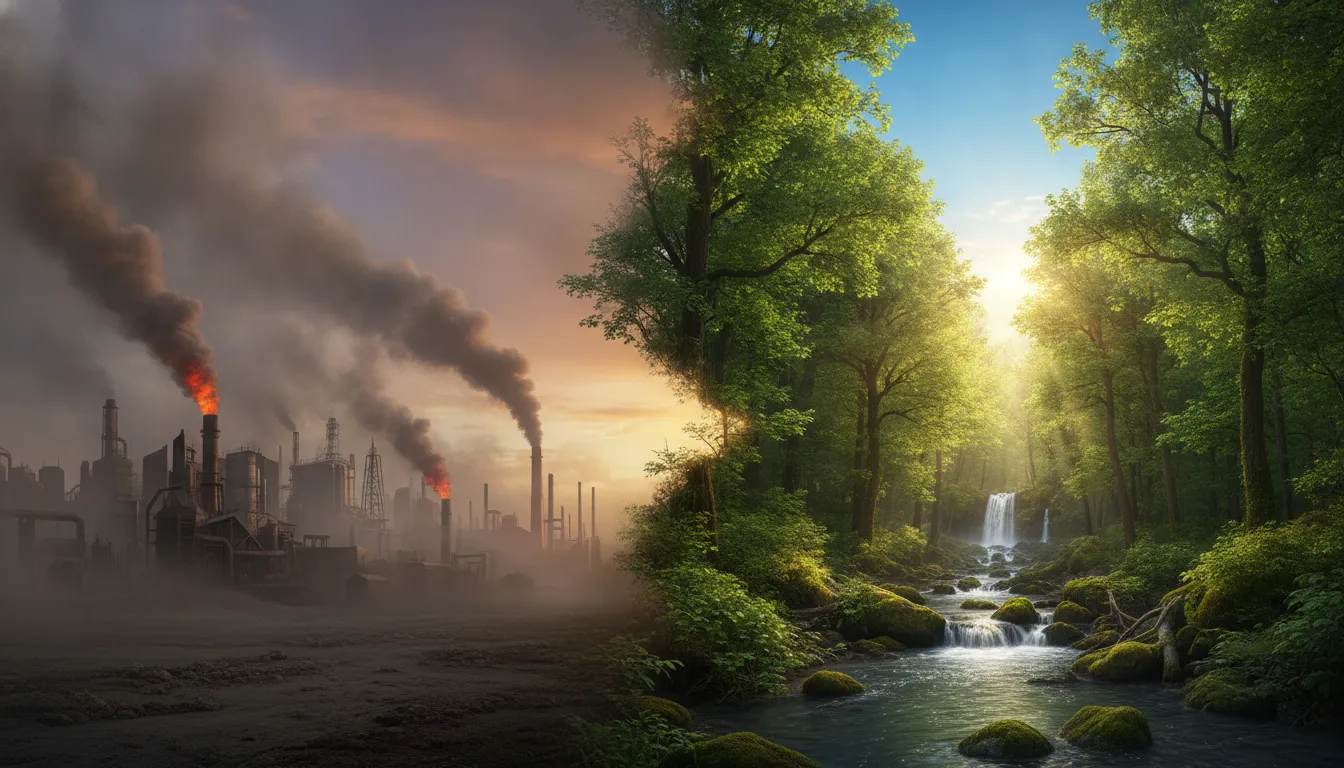
Global warming has clear causes: greenhouse gases released in excess into the atmosphere through fossil fuel burning, deforestation, intensive agriculture, and unsustainable consumption patterns. It’s not magic, it’s not conspiracy — it’s physics and chemistry operating on a planetary scale, as the IPCC and countless scientific institutions have documented for decades.
The good news — and it’s real — is that solutions also exist. Renewable energy, forest restoration, more conscious eating, energy efficiency, and responsible consumption are paths already available. Every person who understands the causes of the problem and acts within their context contributes to a change that, when combined, can alter trajectories.
You don’t need to do everything at once. Start with what’s within your reach today. Share what you’ve learned. And move forward — because a more balanced planet is still possible, and it begins with the choices we make now.
