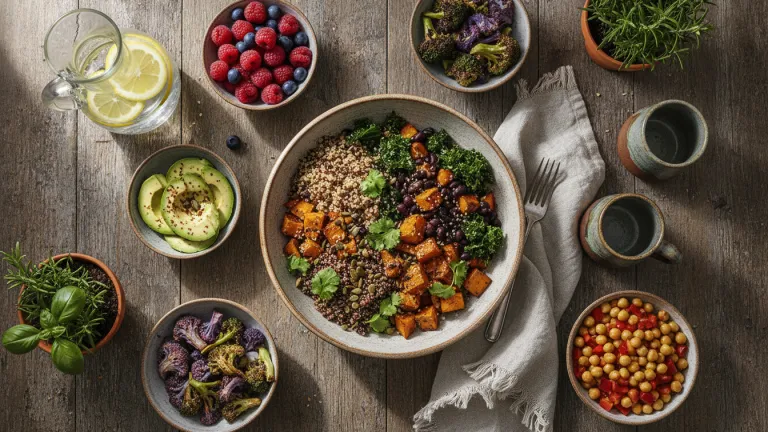
What is a sustainable diet?
Have you ever stopped to think that every meal you eat has a direct impact on the planet? What’s on your plate today influences greenhouse gas emissions, water use, deforestation, and even the biodiversity of ecosystems you’ve never visited. The good news is that food choices are one of the areas where each person has real power to act — and getting started doesn’t require you to become vegan overnight or give up everything you enjoy.
A sustainable diet is an eating pattern that seeks to balance human health and planetary health. According to the definition by the FAO (United Nations Food and Agriculture Organization), sustainable diets are those with low environmental impact, which contribute to food and nutritional security, respect biodiversity and ecosystems, are culturally acceptable and economically accessible. In other words: there is no single formula, but there are clear principles that anyone can follow.
In 2026, with the effects of climate change increasingly visible — more intense droughts, record heat waves, and growing pressure on global food systems — rethinking what we put on our plate has ceased to be a luxury and become a collective necessity. And science shows that small individual changes, added together, generate real impact.
Why food matters so much for the climate
The global food system is responsible for a significant share of greenhouse gas emissions. According to data from the IPCC (Intergovernmental Panel on Climate Change), food production — including agriculture, livestock, land use, and transport — represents approximately 21% to 37% of global GHG emissions, depending on how the entire chain is accounted for.
Livestock, especially cattle, is one of the highest-impact components. Cattle raising emits methane (a gas with warming potential far superior to CO₂ in the short term), demands vast expanses of land, and consumes large volumes of water. In Brazil, Amazon deforestation is historically associated with the expansion of the agricultural frontier, which further amplifies this impact.
Beyond climate, how we produce food directly affects biodiversity. Large-scale monoculture, intensive pesticide use, and destruction of natural habitats are factors that threaten species and unbalance entire ecosystems. To better understand how these processes connect to the larger picture of climate change, it’s worth reading our article Global warming and climate change: what’s the difference?.
The pillars of a sustainable diet
Before diving into practical steps, it’s useful to know the principles that guide choices within a sustainable diet. They are not rigid rules, but compasses to orient everyday decisions.
- Less red meat and more plant-based proteins: beans, lentils, chickpeas, tofu, and nuts have much smaller carbon footprints than beef and lamb.
- More minimally processed foods: fruits, vegetables, greens, and whole grains require less energy to produce and generate less packaging.
- Preference for local and seasonal foods: reduces long-distance transport and supports regional producers.
- Reduction of food waste: about one-third of food produced globally is wasted, according to FAO data — meaning all the water, energy, and land used in production also goes to waste.
- Food diversification: consuming a greater variety of foods strengthens agricultural biodiversity and reduces pressure on specific crops.
- Attention to origin: valuing products with organic certifications, agroecological or family farmer products contributes to more responsible production systems.
How to adopt a sustainable diet: step by step
You don’t need to overhaul your entire diet at once. Sustainable eating is a journey, and every step counts. See where to start:
- Make an honest assessment of your current plate. For a week, observe how often you eat red meat, how much food you discard, and how many ultra-processed products you consume. Without judgment — just observe.
- Reduce red meat gradually. Start by replacing one or two weekly meals with plant-based options. Well-seasoned beans with brown rice is already a huge step — and very tasty.
- Explore plant-based proteins from our cuisine. Brazil has one of the world’s richest traditional diets in legumes. Carioca beans, black-eyed peas, lentils, peas, and chickpeas are accessible, nutritious, and low environmental impact.
- Shop at local and seasonal farmers markets. Look for family farmer markets in your city. Beyond supporting the local economy, you consume fresher foods with less packaging and fewer kilometers traveled to your plate.
- Plan your weekly meals. Planning is the most powerful tool against waste. With a clear shopping list, you buy only what you’ll use — and save money too.
- Reuse stalks, peels, and leaves. Cauliflower stalks, zucchini peels, carrot greens: it’s all edible and nutritious. Learning to use the “discarded” parts of foods is an act of real sustainability.
- Read labels and value transparency. Products with organic certification, family farming seal, or clear traceability indicate more responsible chains. You don’t need to change everything at once, but including some of these products gradually makes a difference.
- Reduce consumption of ultra-processed foods. Beyond generally being less healthy, they involve long industrial chains, plastic packaging, and intensive transport.
- Prefer water to industrialized beverages. Production of soft drinks, boxed juices, and other processed liquids involves high resource consumption and waste generation.
- Compost the organic waste that inevitably remains. Composting transforms food scraps into fertilizer, preventing organic material from going to landfills — where it generates methane.
Myths and truths about sustainable diet
“Eating sustainably is expensive”
This is one of the biggest myths. Beans, rice, eggs, seasonal vegetables, and regional fruits are among the cheapest foods on the market — and also rank among the most sustainable. What tends to be expensive are processed organic products and imported “superfoods.” A sustainable diet can (and should) be affordable.
“I have to be vegan to make a difference”
No. Reducing meat consumption — especially beef — already represents a significant impact, even without eliminating it completely. The concept of flexitarianism (a predominantly plant-based diet with occasional animal protein consumption) has been recognized by researchers and health organizations as a practical and effective path.
“Individual impact is irrelevant compared to the system”
It’s true that structural changes in public policy and production systems are necessary. But collective consumption habits shape markets. When more people demand foods produced more responsibly, supply adapts. Individual action and systemic pressure don’t exclude each other — they complement each other.
Brazil’s role in global sustainable food
Brazil occupies a unique position in this debate. It is one of the world’s largest producers and exporters of food, hosts the planet’s greatest biodiversity, and has one of the richest cuisines in native and nutritious ingredients. Cerrado fruits like pequi, buriti, baru, and cagaita, and Amazon fruits like açaí, cupuaçu, and Brazil nuts are foods with high nutritional potential, environmentally relevant production (when managed sustainably), and that strengthen traditional communities.
Valuing these foods in everyday eating is a way to support the Brazilian bioeconomy — an economic model that generates income without destroying forests. Embrapa and various Brazilian universities have been conducting research to expand knowledge about the nutritional value and productive potential of these ingredients.
Moreover, Brazil has a food tradition — rice with beans, sautéed greens, fresh fruits — that already closely approaches the principles of a sustainable diet. In many cases, the most sustainable is to return to the roots of our own cuisine.
One meal at a time: environmental impact comparison table
The table below illustrates, qualitatively, the difference in environmental impact between some common food choices. Exact values vary depending on production method, region, and transport, but the general trend is consistent with scientific literature:
| Food | GHG Emissions | Water Use | Land Use |
|---|---|---|---|
| Beef | Very high | Very high | Very high |
| Chicken | Moderate | Moderate | Moderate |
| Eggs | Low-moderate | Low-moderate | Low |
| Beans and lentils | Very low | Low | Low |
| Fresh local vegetables | Very low | Variable | Low |
| Dairy | Moderate-high | High | High |
| Fish (sustainable fishing) | Low-moderate | Low | Very low |
Conclusion: your plate can be an act of care for the world
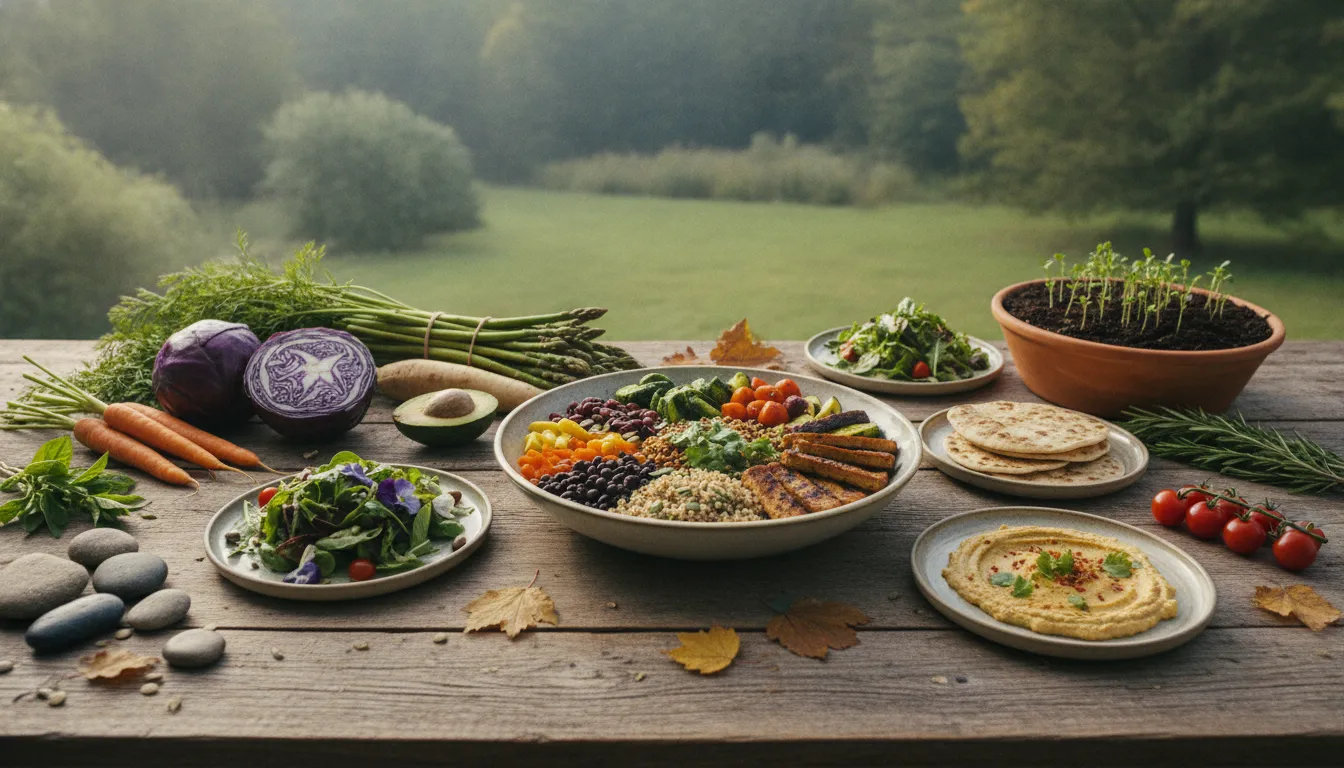
Changing your diet doesn’t have to be a sacrifice. It’s actually an opportunity to rediscover ingredients, flavors, and traditions that often got lost in supermarket aisles full of ultra-processed foods. A sustainable diet is not about perfection — it’s about direction.
Start with what you can do. Replace one meal a week. Shop at the local market next Saturday. Try a new recipe with beans or lentils. Reuse that stalk you would have thrown away. Every choice adds up, and every sum matters.
If you’re thinking of going beyond diet and reducing your environmental footprint at home even further, it’s worth exploring other practical changes — such as understanding whether it’s worth investing in solar energy in 2026 for your home.
The planet doesn’t need a few people doing everything perfectly. It needs many people doing what they can — with awareness, with pleasure, and with hope.
