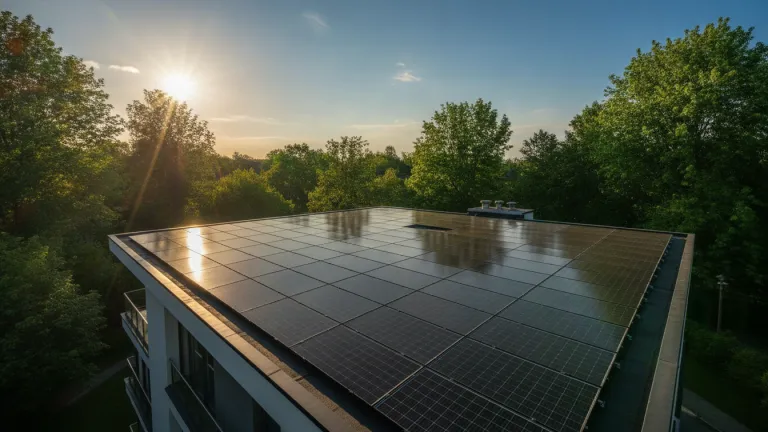
Residential Solar Energy: Is It Worth Installing in 2026?
The electricity bill has arrived once again and, with it, that familiar feeling of discomfort. For millions of homeowners, the cost of electricity consumes an ever-larger slice of the family budget — and the trend, historically, has been upward. In this scenario, residential solar energy has shifted from being a luxury or technological novelty to becoming one of the most discussed alternatives at kitchen tables and neighborhood groups across the country.
But is it really worth investing in solar panels for your home in 2026? The short answer is: for many homeowners, yes — and increasingly so. But, like any significant financial decision, the devil is in the details. In this article, we’ll explore the real costs, concrete benefits, points of attention, and the step-by-step process for those who want to make this leap consciously and informed.
The United States occupies a privileged position in this context. With some of the highest solar radiation levels in the world — including in regions often underestimated — the country has everything needed to make the most of this clean and renewable energy source. And the market is responding to this.
The Solar Market: Where We Stand in 2026
The photovoltaic solar energy sector has grown significantly over the past decade. According to data from industry associations and energy agencies, the residential solar market has consolidated as one of the largest distributed energy markets in the world, with millions of systems installed in homes, businesses, and industries.
Industry associations have consistently tracked the expansion of installed capacity in the distributed generation segment — where consumers generate their own energy on rooftops and offset the surplus on their electricity bills.
Several factors explain this advancement:
- Continuous drop in equipment prices: over the years, the cost of photovoltaic panels has fallen dramatically on a global scale, making the initial investment more accessible.
- Supportive regulatory frameworks: net metering policies and solar incentives have provided greater legal security for consumers who generate their own energy.
- Expansion of financing options: banks and financial institutions offer specific credit for residential solar energy projects, with competitive terms and rates.
- Rising electricity rates: paradoxically, the more expensive the electricity bill becomes, the more attractive self-generation becomes.
How Residential Solar Energy Works
Before calculating whether it’s worth it, it’s important to understand the basics of how the system works.
The Residential Photovoltaic System
A typical residential solar system consists of:
- Photovoltaic panels: installed on the roof, they capture sunlight and convert it into direct current electricity.
- Inverter: transforms direct current into alternating current, compatible with household appliances and the electrical grid.
- Bidirectional metering system: measures both what you consume from the grid and what you inject into it.
- Mounting structure and cables: support and connection components.
The Net Metering System
In many regions, the current model allows excess energy generated by your system to be injected into the utility’s grid. In exchange, you receive energy credits that can be used to offset consumption in months of lower generation (such as winter or very cloudy days). This system is one of the pillars that makes the investment financially attractive.
Costs and Financial Return: The Real Numbers
This is the point that matters most to those considering installation. It’s also where the most inaccurate information circulates — so let’s be careful.
Installation Cost
The cost of a residential solar system varies according to:
- The system size (measured in kilowatts-peak, kWp), which depends on your home’s monthly consumption.
- The quality of equipment chosen (panels, inverters, structure).
- The installation company and your region.
- Additional costs for utility approval and any electrical upgrades.
Generally, systems for average-consumption homes (between 300 and 500 kWh per month) typically require systems between 3 kWp and 5 kWp. Getting quotes from multiple certified companies is essential — prices vary significantly, and the market is competitive.
Payback Period
The investment return period — commonly called payback — depends on factors such as your current electricity bill amount, system cost, and financing used. Well-sized projects, in regions with good solar irradiation and high electricity bills, have historically shown payback periods between 4 and 8 years, with panel lifespan estimated at 25 years or more by manufacturers.
Financing: An Accessible Option
Those who don’t have the full amount for upfront investment can turn to specific credit lines. Various banks and credit unions offer products aimed at solar energy. Government programs may also provide support to the sector. It’s worth researching current conditions directly with institutions, as rates and terms change frequently.
Benefits Beyond Financial Savings
The decision to install solar energy doesn’t have to be purely economic — although the savings are, by themselves, a powerful argument. There are other concrete benefits to consider.
Positive Environmental Impact
Solar photovoltaic generation emits no greenhouse gases during operation. In a country where part of the electrical grid still depends on fossil fuel power plants during periods of drought and high demand, generating your own clean energy directly contributes to emissions reduction. The IPCC has already highlighted in its reports that solar energy expansion is one of the fundamental strategies for mitigating global climate change.
Property Value Appreciation
Properties with installed solar systems tend to be more valued in the real estate market. The perception of future savings on electricity bills is a real differentiator for buyers.
Energy Autonomy
Even without batteries (which represent additional cost), a solar system reduces dependence on the electrical grid and cushions the impact of future rate increases.
Local Job Creation
The solar sector is one of the fastest-growing employers. By hiring a certified local company, you also contribute to the regional production chain.
Points of Attention Before Installing
The decision should be informed and without excessive romanticism. There are factors that can compromise expected results.
- Shading: roofs with heavy shade from trees, buildings, or other structures significantly reduce generation. A good company will perform a shading analysis before proposing the system.
- Roof orientation and tilt: south-facing roofs (in the northern hemisphere) perform best. Other angles work but with reduced efficiency.
- Roof structural conditions: old or fragile roofs may need reinforcement before installation.
- Installer quality: choose companies with proper certifications and verify references. The market has grown quickly, and poorly done installations exist.
- Condominiums and rental properties: installation in apartments requires approval from the homeowners association; tenants need owner authorization.
- Very low consumption: for those with a very small electricity bill, the payback may be too long to justify immediate investment.
How to Get Started: Step-by-Step for Those Ready to Move Forward
If you’ve decided you want to evaluate solar energy installation in your home, here’s a practical roadmap:
- Gather your electricity bills from the last 12 months — you’ll need the average monthly consumption in kWh to properly size the system.
- Evaluate your roof: observe the orientation, tilt, presence of shadows, and structural conditions. A professional inspection will confirm feasibility.
- Request quotes from at least three different companies — compare not only the final price but the proposed equipment, warranties offered, and utility approval timeline.
- Verify certifications: the installation company should have qualified professionals; equipment should be properly certified and approved.
- Analyze financing options — compare projected savings with financing payments to ensure cash flow is positive from the start.
- Sign the contract carefully: check equipment warranties, installation timeline, responsibility for utility approval, and post-installation support.
- Monitor system performance — virtually all modern systems come with monitoring apps. Use them to verify if generation is within expectations.
The Collective Dimension: Solar Energy and the Future of Cities
It’s worth remembering that the energy transition doesn’t happen only at the individual level. Each installed system contributes to a larger ecosystem of distributed generation that relieves pressure on the national electrical grid, especially during peak hours. Communities that adopt solar energy on a large scale create positive externalities for everyone — including those who can’t yet install.
Just as small everyday actions — like home composting — build sustainable habits that multiply, residential solar generation is a concrete step within a logic of more conscious and responsible consumption.
Conclusion: The Right Question is “When,” Not “If”
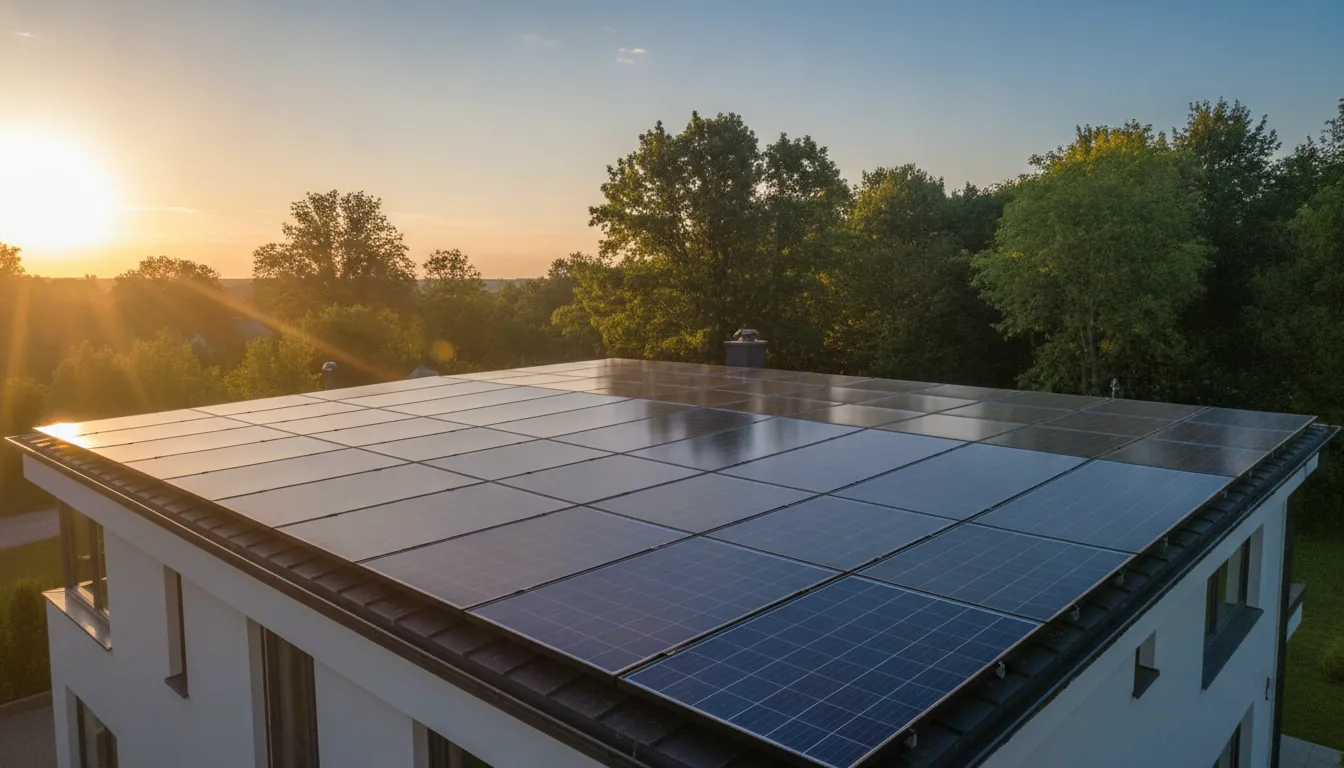
For most homeowners who own their property, consume electricity regularly, and have a roof with adequate conditions, residential solar energy is, in 2026, an investment with proven returns — financial, environmental, and in quality of life.
The technology is mature, regulatory frameworks exist, the market is competitive, and the benefits are real. What’s often missing is taking the first step: gathering electricity bills, researching reputable companies, and requesting the first quotes.
You don’t need to solve everything at once. Start with information. Talk to neighbors who have already installed. Explore the market. And remember: every kilowatt generated by the sun on your roof is one step less in dependence on sources that cost more — for your wallet and for the planet.
The sun isn’t going anywhere. The question is when you’ll start taking advantage of what it offers.
