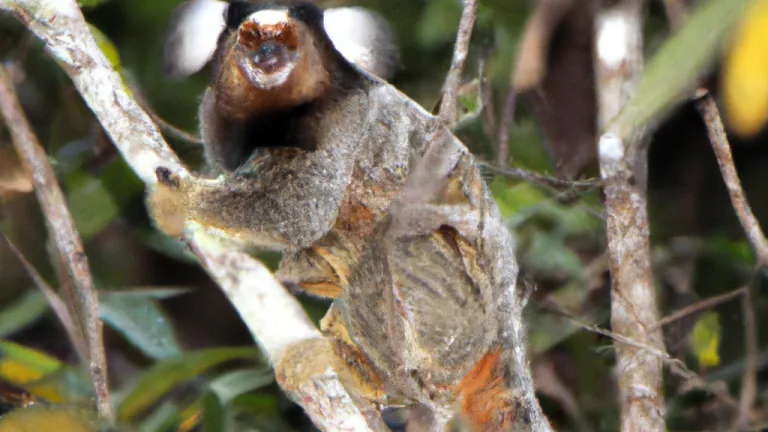
Protect Wildlife: The Vital Importance of Preserving Wildlife
Wildlife is a fundamental pillar of our planet’s biodiversity. The variety of animal species, from tiny insects to majestic mammals, plays a crucial role in natural ecosystems. However, wildlife is increasingly threatened by human activities, making the preservation and conservation of these species urgent.
Why is Wildlife Preservation Important?
Preserving wildlife is essential to maintaining ecosystem balance and ensuring the survival of many species. Each animal plays a specific role in its habitat, contributing to nutrient cycling, plant pollination, pest control, among other ecosystem services.
Moreover, the diversity of animal species is also a source of inspiration for science and medicine, as many important substances and biological processes are discovered through the study of fauna. The loss of species can mean the loss of potential benefits for humanity.
Impact of Habitat Degradation on Wildlife
One of the main threats to wildlife is the degradation and fragmentation of natural habitats. Urban expansion, intensive agriculture, mining, and uncontrolled exploitation of natural resources have caused the loss of wild areas and ecosystem fragmentation.
These human activities reduce the availability of food, shelter, and reproduction for many species, leading to population decline and even extinction. Habitat fragmentation also hinders genetic flow between populations, which can lead to loss of genetic diversity and increase species’ vulnerability to diseases and environmental changes.
The Importance of Preserving Endangered Species
Many animal species are currently threatened with extinction due to habitat degradation, illegal hunting, climate change, and other threats. Preserving these species is crucial to prevent the irreparable loss of biodiversity and ensure the continuity of the ecosystem services they provide.
Conservation programs, such as the creation of protected areas, captive breeding, reintroduction of species into the wild, and environmental education are essential to protect and recover endangered animal populations. Preserving these species also contributes to maintaining ecosystem health and the sustainability of natural resources.
How Can We Contribute to Wildlife Preservation?
Each of us can play an important role in wildlife preservation and fauna conservation. Small daily actions, such as reducing the consumption of animal-derived products, avoiding the waste of natural resources, supporting conservation organizations, and reporting illegal practices that threaten wildlife, can make a difference.
Additionally, it is essential to promote awareness and environmental education to sensitize the population about the importance of wildlife preservation and encourage the adoption of sustainable practices. The mobilization of civil society, along with the implementation of public policies and governmental actions, is crucial to ensure a safe future for wildlife and future generations.
Conclusion
Wildlife preservation is a global challenge that requires collaboration from all sectors of society. Fauna conservation is not just about protecting animals but also about ensuring ecosystem sustainability and quality of life on the planet.
Saving wildlife is saving ourselves. Each animal species has its unique and irreplaceable role in the web of life, and the loss of a species can have unpredictable consequences for ecosystem balance. Therefore, it is urgent to act now to protect and preserve wildlife before it’s too late.
