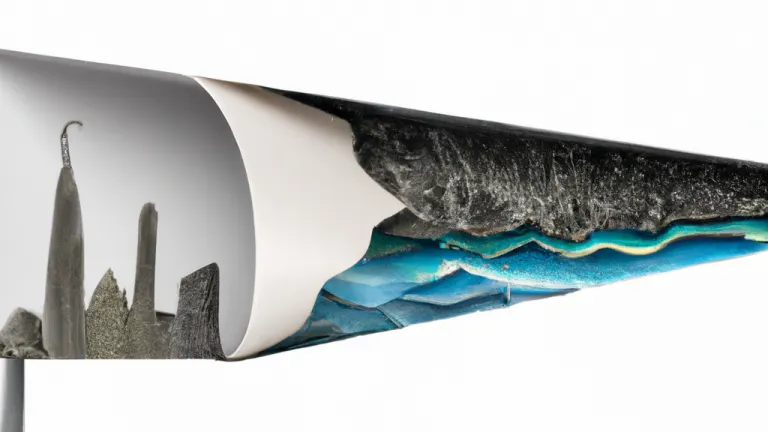
The Invisible Crisis: The Devastating Impact of Water Pollution
Water is one of the most precious natural resources on our planet, essential for all forms of life. However, water pollution has become an invisible crisis affecting not only aquatic ecosystems but also human health and the environment as a whole. In this article, we will explore the devastating impact of water pollution and the long-term consequences it brings to our planet.
The Importance of Clean Water
Clean water is fundamental for the survival of all living beings. It is necessary for agriculture, food production, personal hygiene, and public health. Moreover, aquatic ecosystems depend on clean water to sustain marine and terrestrial life. When water is polluted, all these aspects are negatively impacted.
Furthermore, water pollution also affects the quality of the air we breathe. Contaminated water can release toxic substances into the atmosphere, contributing to air pollution and affecting people’s health, especially in urban areas where air quality is already compromised.
Main Pollutants
Water pollution can be caused by a variety of pollutants, including industrial chemicals, agricultural waste, domestic sewage, plastics, and microplastics, among others. These substances contaminate rivers, lakes, oceans, and groundwater, affecting water quality and harming aquatic ecosystems.
Industrial chemicals, for example, can cause irreversible damage to aquatic life and human health. They are released into the environment during industrial processes and can contaminate drinking water, making it unsuitable for human consumption. Additionally, agricultural waste such as pesticides and fertilizers can cause eutrophication of water bodies, leading to harmful algal blooms and the death of fish and other aquatic species.
Impact on Aquatic Life
Water pollution has a devastating impact on aquatic life. Fish, amphibians, waterfowl, and other aquatic animals are often affected by toxic substances present in contaminated water. Many species may suffer irreparable damage or even become extinct due to water pollution.
Moreover, the destruction of aquatic habitats due to pollution can lead to the imbalance of aquatic ecosystems, affecting the entire food chain and local biodiversity. This can have devastating consequences for communities that rely on fishing and aquaculture for their livelihood.
Impact on Human Health
Water pollution also has serious consequences for human health. Contaminated water can transmit diseases such as cholera, hepatitis, dysentery, and other gastrointestinal infections. Furthermore, chemical substances present in polluted water can cause damage to the nervous, endocrine, and reproductive systems, increasing the risk of cancer and other chronic diseases.
In areas where drinking water is scarce and water pollution is widespread, communities are especially vulnerable to the impacts of pollution. Children, the elderly, and people with compromised immune systems are the most affected, suffering from debilitating diseases and health conditions.
How to Combat Water Pollution
To combat water pollution, it is essential to adopt prevention and mitigation measures at all levels, from industry to individual consumers. Companies and governments must implement stricter regulations to control the release of toxic substances into the environment and promote sustainable production and consumption practices.
Moreover, public awareness about the importance of clean water and the impacts of pollution also plays a crucial role in protecting water resources. Environmental education and the promotion of sustainable practices, such as reducing the use of disposable plastics and proper waste treatment, are essential to ensure water quality for future generations.
Conclusion
Water pollution is an invisible crisis affecting not only aquatic ecosystems but also human health and the environment as a whole. To protect our water resources and ensure a sustainable future for the planet, it is essential to adopt effective measures to combat water pollution and promote sustainable management of natural resources.
If you care about the future of our planet, discover how clean energy can revolutionize the future of humanity and how ecology can save our future. Together, we can make a difference and protect our planet for future generations.
