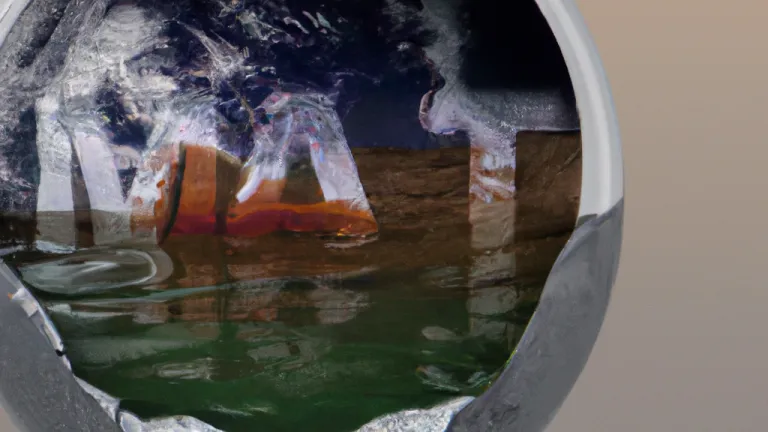
The Devastating Impact of Water Pollution: How We Are Destroying Our Aquatic Ecosystem
Water is a vital resource for life on Earth, essential for the survival of all living beings. However, water pollution poses a growing threat to aquatic ecosystems and human health. In this article, we will discuss the devastating consequences of water pollution and how we are contributing to the degradation of our rivers, lakes, and oceans.
What is water pollution?
Water pollution refers to the introduction of harmful substances into the aquatic environment, resulting in changes in water quality and the degradation of aquatic ecosystems. These substances can originate from industrial, agricultural, urban, or domestic sources and include pollutants such as chemicals, heavy metals, organic waste, and plastics.
Consequences of water pollution
Water pollution has significant impacts on the environment and human health. Some of the main consequences include:
Destruction of aquatic life
Water pollution can cause the death of fish, waterfowl, and other aquatic organisms due to contamination by toxic substances. Additionally, eutrophication, a process in which there is an excess of nutrients in the water, can lead to algae blooms and reduced dissolved oxygen, resulting in the suffocation of aquatic animals.
Impact on human health
Water contaminated by pollutants can pose a risk to human health, causing diseases such as gastroenteritis, hepatitis, dermatitis, and cancer. Furthermore, consuming contaminated fish and seafood can lead to the accumulation of toxic substances in the human body, posing a health hazard.
Degradation of aquatic ecosystems
Water pollution can lead to the degradation of aquatic ecosystems, causing loss of biodiversity and reduced quality of aquatic habitats. This can have negative impacts on the entire aquatic food chain, affecting the availability of food for humans and animals.
How we are contributing to water pollution
Water pollution is caused by a series of human activities, including:
- Inadequate disposal of solid waste, such as plastics, metals, and chemicals;
- Discharge of domestic and industrial sewage directly into water bodies;
- Excessive use of fertilizers and pesticides in agriculture;
- Oil and chemical spills from industrial activities;
- Disposal of medications and chemicals into sewage.
These activities contribute to water contamination and the degradation of aquatic ecosystems, posing a threat to human health and biodiversity.
How we can combat water pollution
To combat water pollution and protect aquatic ecosystems, it is essential to adopt sustainable and conscious measures in our daily lives. Some actions that can be taken include:
- Reducing plastic consumption and opting for reusable products;
- Properly disposing of solid waste, recycling, and reusing whenever possible;
- Avoiding excessive use of chemicals in agriculture and daily life;
- Properly treating domestic and industrial sewage before discharging it into water bodies;
- Participating in beach, river, and lake cleanup campaigns;
- Investing in sustainable technologies and renewable energy sources.
By adopting sustainable and conscious practices, we can contribute to the preservation of our water resources and the protection of aquatic ecosystems, ensuring a healthy environment for future generations.
Conclusion
Water pollution poses a serious threat to aquatic ecosystems and human health, resulting in devastating consequences for the environment. It is crucial that each of us takes responsibility for combating water pollution and adopting sustainable practices in our daily lives. Only then can we preserve life in our rivers, lakes, and oceans and ensure a healthy future for our planet.
Texto do Link
