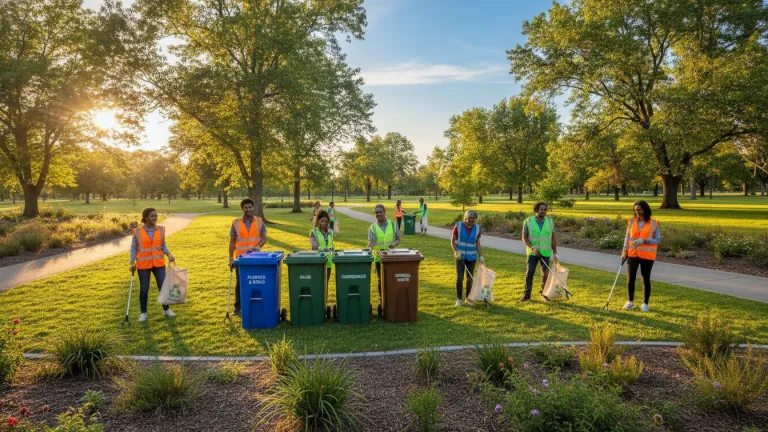
What Are Community Cleanups and Why They Matter
Imagine arriving at a local park only to find it littered with plastic bottles, bags, and discarded packaging along a stream bank. This scene, unfortunately, is common in many cities around the world — and the feeling of helplessness it brings is real. But there’s a collective, practical response within anyone’s reach: the community cleanup. These events bring together residents, environmental groups, and volunteers ready to transform, in just a few hours, a degraded space into a healthier environment for everyone.
Community cleanups go beyond simple trash collection. They create community bonds, educate people about proper waste disposal, pressure public authorities for more effective policies, and demonstrate in practice that active citizenship works. At a time when many countries still face serious challenges with solid waste management — with landfill elimination goals only partially met — community participation in actions like these carries enormous symbolic and real weight.
If you’ve never participated in a cleanup or want to organize one in your community, this guide was made for you. Here you’ll find practical information, safety tips, and the first steps to get involved today.
How to Find Community Cleanups in Your City
The good news is that these initiatives exist everywhere, from major cities to small towns. The challenge is usually getting the word out. Here’s where to look:
- Social media and local messaging groups: Many organizations promote events through neighborhood groups, Instagram profiles, and Facebook pages. Search for terms like “community cleanup + your city name” or “environmental volunteers + neighborhood.”
- City hall and environmental departments: Many cities hold periodic cleanups through municipal environmental or urban services departments. Check your city’s official website or call the citizen service hotline.
- NGOs and environmental collectives: Organizations focused on river preservation, beach cleanups, mangrove protection, and park conservation often organize regular events.
- Volunteering apps and platforms: Platforms that aggregate volunteer opportunities allow you to filter by city and type of activity to find environmental actions near you.
- Universities and community centers: University extension groups frequently organize cleanups in partnership with surrounding residents.
Tips to Never Miss an Opportunity
- Follow local environmental collective profiles on Instagram and turn on notifications.
- Contact your local district office directly to ask about the volunteer action calendar.
- Talk to neighbors: information about cleanups often spreads by word of mouth before appearing on social media.
What to Bring and How to Prepare for the Day
Participating in a community cleanup is simple, but good preparation makes all the difference for your comfort, safety, and efficiency during the event.
Essential Items Checklist
- Heavy-duty gloves (thick rubber or leather work gloves): protect against sharp objects, glass, and contaminated materials
- Closed-toe, sturdy footwear (sneakers or boots): never wear sandals or flip-flops
- Long, comfortable clothing: pants and long-sleeved shirts protect against scratches and sun exposure
- Sunscreen and insect repellent: especially in wooded areas, beaches, or riverbanks
- Reusable water bottle: hydration is essential, especially on hot days
- Sturdy trash bags: check with organizers if they provide them or if you should bring your own
- Cap or hat
- Disposable mask or N95: recommended in areas with accumulated decomposing organic waste
What to Do Before You Go
- Confirm the time, exact meeting location, and expected duration of the event.
- Let someone you trust know where you’ll be.
- Check the weather forecast: many events are rescheduled in case of heavy rain.
- Ask the organizer if pre-registration is required — some events require sign-up for participant control and material distribution.
How to Organize a Community Cleanup From Scratch
Can’t find a cleanup in your area? Why not create one? Organizing a community cleanup is more accessible than it seems, and you don’t need major resources to get started.
Step-by-Step Guide to Organizing Your First Event
- Choose the location: Identify a spot in the city that needs attention — a plaza, riverbank, a street with illegal dumping, a beach, or a trail. Prefer locations where the visual impact of the action will be visible and motivating.
- Form an initial group: Invite friends, neighbors, coworkers, or members of local groups. Even a team of five to ten people is enough to get started.
- Communicate with city hall: Contact the urban cleaning or environmental department to inform them about the event. In many cities, the government can support with collection of gathered materials, provide trash bags, or even offer technical guidance. This also ensures the collected material is properly disposed of.
- Set the date, time, and duration: Saturday mornings usually have the highest turnout. Limit the event to two or three hours to avoid overworking volunteers.
- Organize the materials: Provide gloves, trash bags, and if possible, separate bags by waste type (recyclables, organics, non-recyclables) to facilitate proper routing.
- Promote widely: Use social media, neighborhood messaging groups, posters in local shops, and contacts with schools or churches in the area.
- On event day: Give volunteers a quick briefing before starting — explain safety rules, the work area, and how to separate waste.
- Document and share the results: Take before and after photos. Share how many pounds of waste were collected and how many people participated. This record motivates future participants and gives visibility to the cause.
- Ensure proper disposal: Arrange beforehand with city services or a recycling cooperative for material pickup. Waste that’s collected and then abandoned on-site defeats the entire purpose.
Proper Sorting and Disposal of Collected Waste
A common mistake in community cleanups is throwing everything into one bag and leaving it for regular collection, which often ends up sending it all to the landfill. For the action to have real impact, it’s important to think about disposal.
| Type of Waste | Proper Disposal |
|---|---|
| Plastic, paper, metal, glass | Drop-off recycling points or recycling cooperatives |
| Tires | Specific take-back programs (distributors, city programs) |
| Electronics and batteries | Collection points at supermarkets, electronics stores |
| Cooking oil | Specific collection points or cooperatives |
| Clean organic waste | Community composting |
| Non-recyclable waste | Regular collection and sanitary landfill |
If you want to better understand how organic waste can have a noble destination instead of going to the landfill, check out our article on Composting: What It Is and Why the Planet Thanks You.
Safety First: Essential Precautions During the Cleanup
The excitement of doing good shouldn’t compromise your health. Waste abandoned in urban or natural environments can contain sharp materials, chemical contaminants, venomous animals, and biological agents.
Basic Safety Rules
- Never collect waste with unprotected hands. Always wear appropriate gloves.
- Don’t handle materials you can’t identify, especially chemical product containers, drums, or containers with liquid waste. Mark the spot and inform the organizer.
- Watch out for syringes and sharp objects: Use tongs or specific tools. These materials require disposal in rigid containers with special collection.
- Be aware of animals: On riverbanks, mangroves, and wooded areas, watch for snakes, spiders, and scorpions that may be sheltering under trash.
- Avoid unstable slopes after recent rains.
- Children can participate when accompanied by responsible adults, but their activities should be adapted — collecting light materials in safe areas, for example.
The Real Impact of Cleanups: Why It’s Worth It
It might seem like collecting trash for a few hours is a drop in the ocean compared to the scale of environmental problems. But the effects of a cleanup go far beyond the bags of trash collected.
On the environment: Removing solid waste from river and stream banks directly reduces the risk of storm drain blockages, preventing floods. Plastics and waste that would reach waterways no longer threaten aquatic wildlife. The visual recovery of public spaces also discourages illegal dumping — a well-maintained space tends to receive less litter.
In the community: Cleanups create a sense of belonging and collective responsibility. Participants consistently report becoming more careful about waste disposal after experiencing the effort required to clean it up.
On public policy: Organized and documented actions have political leverage. When a community presents data on the volume of waste collected in specific areas, it creates concrete evidence to demand improvements in regular collection, installation of trash bins, and enforcement actions.
To deepen your sustainable practices beyond cleanups, the Practical Guide to Sustainable Living in Daily Life offers other actions you can incorporate into your routine.
Conclusion: Your City Starts with You
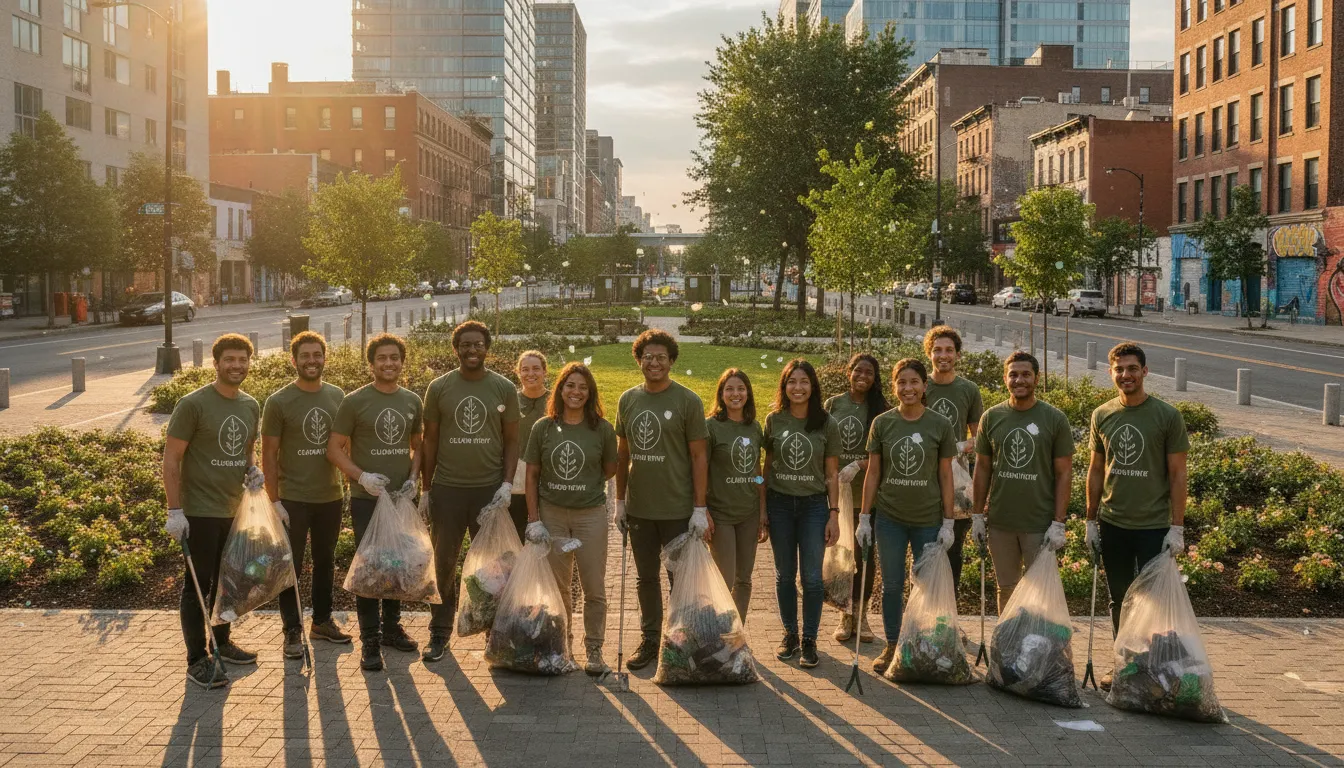
Participating in a community cleanup is one of the most concrete and immediate actions anyone can take for the environment. It doesn’t require specialized training, large investments, or entire days of dedication. It requires presence, willingness, and a pair of gloves.
With environmental challenges becoming increasingly visible in daily urban life, local collective action has never been more necessary — and more capable of inspiring real change. Every person who shows up at a cleanup sends a powerful message: that public space belongs to everyone and everyone has responsibility for it.
Look for a cleanup in your city this week. If you can’t find one, why not be the person who starts it? Share this article with someone you think would join. The transformation of a place begins with one full bag of trash — and with the decision to show that it matters.
