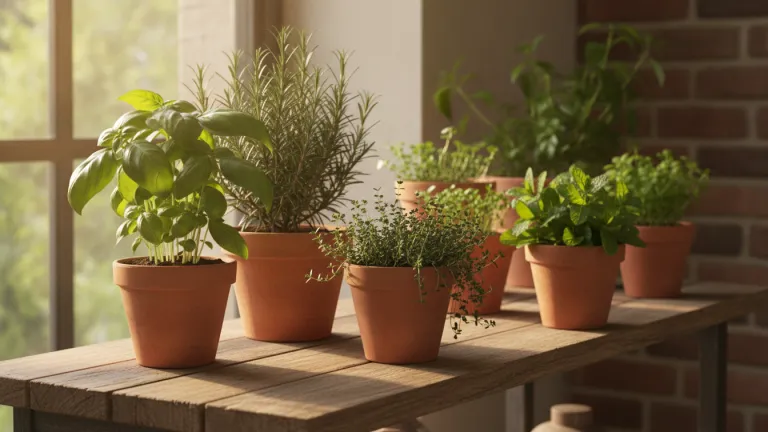
Why Growing Herbs at Home Makes a Difference (For You and the Planet)
Imagine plucking a fresh sprig of basil directly from the pot on your windowsill, seconds before tossing it into your sauce. No plastic packaging, no transportation from hundreds of miles away, no wilted herbs you find at the back of your fridge days later. This simple scene holds a powerful transformation: growing herbs at home is one of the most accessible, affordable, and immediately rewarding gestures anyone can adopt to live more sustainably.
The industrial food system travels enormous distances to put fresh herbs on your table. According to agricultural research data, a large portion of leafy greens consumed in major cities come from distant producing regions, involving early harvesting, refrigeration, and disposable plastic packaging. For a product you use in spoonfuls, this represents a disproportionate environmental cost. A home herb garden cuts this chain at the root — literally.
And the best part: you don’t need a backyard, advanced technical knowledge, or much money to get started. Recycled pots, a corner with light, and a bit of weekly attention are enough. This guide will show you, step by step, how to set up your home herb garden, which plants to choose, how to care for them, and how this small garden can transform both your kitchen and your consumption habits.
Real Benefits of Having a Home Herb Garden
Before getting your hands dirty, it’s worth understanding why this matters beyond flavor.
From an environmental perspective:
- Reduces the need for disposable plastic packaging used in fresh herbs sold at supermarkets
- Decreases your contribution to food waste — you harvest only what you’ll use
- Supports pollinators like bees and butterflies, even in urban environments
- Contributes to well-being in cities, making spaces greener and improving local air quality
From a practical and economic perspective:
- A bunch of fresh herbs at the market can cost between $2 and $5; a seedling or seed packet costs about the same and lasts months
- You have access to herbs harvested at the perfect point of flavor and aroma
- The activity of caring for plants has documented benefits for mental health, including stress reduction
To learn more about how local food production connects to the larger movement of urban agriculture: what it is and how it works in practice, the complementary reading is worthwhile.
Which Herbs to Choose to Get Started
The right plant choices make all the difference between a garden that thrives and one that frustrates. For beginners, the main criterion is simple: choose what you actually use in the kitchen.
Ideal Herbs for Beginners
| Herb | Light needed | Difficulty | Notes |
|---|---|---|---|
| Basil | Full sun (6h+) | Easy | Sensitive to cold; prefers summer |
| Chives | Partial shade to sun | Very easy | Regrows quickly after cutting |
| Parsley | Partial shade | Easy | Slow germination, but resilient |
| Mint | Partial shade | Very easy | Invasive; plant in separate container |
| Rosemary | Full sun | Easy | Drought tolerant; ideal for beginners |
| Thyme | Full sun | Easy | Small space, high yield |
| Cilantro | Sun to partial shade | Moderate | Prefers cooler climates |
| Oregano | Full sun | Very easy | Grows well and dries well for later use |
Strategic tip: start with two or three plants. Learning the watering rhythm and needs of each one before expanding your garden reduces the chances of frustration and loss.
What You Need to Set Up Your Herb Garden
You don’t need to buy anything fancy. Many materials can be repurposed from what you already have at home.
Containers: any container with drainage holes at the bottom works. Clean paint cans, cut plastic bottles, produce crates, ice cream tubs, canned food tins — all are great candidates. If buying, terracotta pots are a good choice as they regulate moisture better.
Growing medium: avoid using pure garden soil, which compacts and harms roots. The simplest and most efficient combination for beginners is:
- 60% potting mix (found at any garden center or nursery)
- 20% organic compost or worm castings
- 20% coarse sand or perlite (improves drainage)
Other useful items:
- Small watering can or plastic bottle with holes in the cap
- Saucer or tray under the pot to collect excess water
- Labels to identify plants (popsicle sticks work well)
- Seeds or seedlings (seedlings are easier for beginners)
Step by Step: How to Set Up Your Herb Garden
- Choose the location first. Observe where the most sun enters your home throughout the day. Windows facing south or east typically receive good morning light; those facing west get afternoon sun. Most herbs need at least 4 to 6 hours of direct sunlight per day.
- Prepare the containers. Make drainage holes in the bottom if there aren’t any. Place a thin layer of pebbles, ceramic shards, or even bottle caps to prevent soil from clogging the holes.
- Prepare the growing medium. Mix the components (potting mix + compost + sand) in the proportions indicated above. Moisten slightly before putting in the pot.
- Plant the seedlings or seeds. For seedlings: make a hole, place the seedling without squeezing the roots too much, and firm the soil around it. For seeds: follow package instructions, as depth varies by species. Water gently immediately after.
- Label each plant. It might seem silly, but when herbs grow, it’s easy to confuse parsley with cilantro, for example.
- Establish a simple care routine. Check the moisture of the growing medium every one or two days by sticking your finger about an inch deep: if it’s moist, wait; if it’s dry, water. Avoid overwatering.
- Make the first harvest carefully. Never remove more than one-third of the plant at once. Always cut above a pair of leaves to stimulate lateral growth. For basil, remove flowers as soon as they appear to prolong leaf production.
Essential Care to Keep Your Garden Healthy
Watering: Balance is Everything
The most common beginner mistake is overwatering. Most herbs, especially rosemary, thyme, and oregano, prefer soil that dries out a bit between waterings. Basil and parsley like more consistent moisture, but never waterlogged.
A practical tip: terracotta pots lose moisture faster and need more frequent watering than plastic pots.
Simple and Organic Fertilizing
Every three to four weeks, apply a small amount of worm castings or organic compost to the surface of the growing medium. This replenishes nutrients consumed by the plant without needing chemical fertilizers. If you have a compost bin at home, use the compost produced — it’s the most sustainable fertilizer there is.
Common Pests and How to Deal with Them
- Aphids: small insects that cluster on stems and leaves. Homemade solution: spray water with a few drops of mild dish soap directly on them.
- Fungi and leaf spots: usually the result of excess moisture or lack of ventilation. Improve air circulation and reduce watering.
- Caterpillars: remove manually. In home gardens, pesticides are rarely necessary.
Sustainability in Practice: Close the Loop of Your Garden
A sustainable home garden goes beyond planting and harvesting. Some simple practices transform the experience into an almost closed loop:
- Compost the scraps: peels, stems, and damaged leaves from your own kitchen can become fertilizer for the garden with a simple home composter
- Reuse vegetable cooking water (unsalted) to water plants — it carries soluble nutrients
- Collect seeds from plants like cilantro, parsley, and basil at the end of the productive cycle for free replanting
- Trade seedlings with neighbors: urban garden communities are increasingly common and create exchange networks that strengthen bonds and reduce costs
This type of systems thinking — where waste from one stage feeds the next — is exactly the principle of urban agriculture that researchers and activists advocate as part of the transition to more resilient cities.
Common Mistakes You Can Avoid
- Choosing a location with total shade: herbs need light. Without it, they grow thin, weak, and without aroma.
- Using only garden soil: compacts, hinders drainage, and depletes quickly.
- Planting everything in the same large pot: each species has different needs; mixing can harm all of them.
- Harvesting too late or too early: learn each plant’s cycle. Basil, for example, loses flavor after flowering.
- Giving up after the first loss: losing a plant is part of learning. Try again with the knowledge you’ve gained.
Your Green Window Starts Today
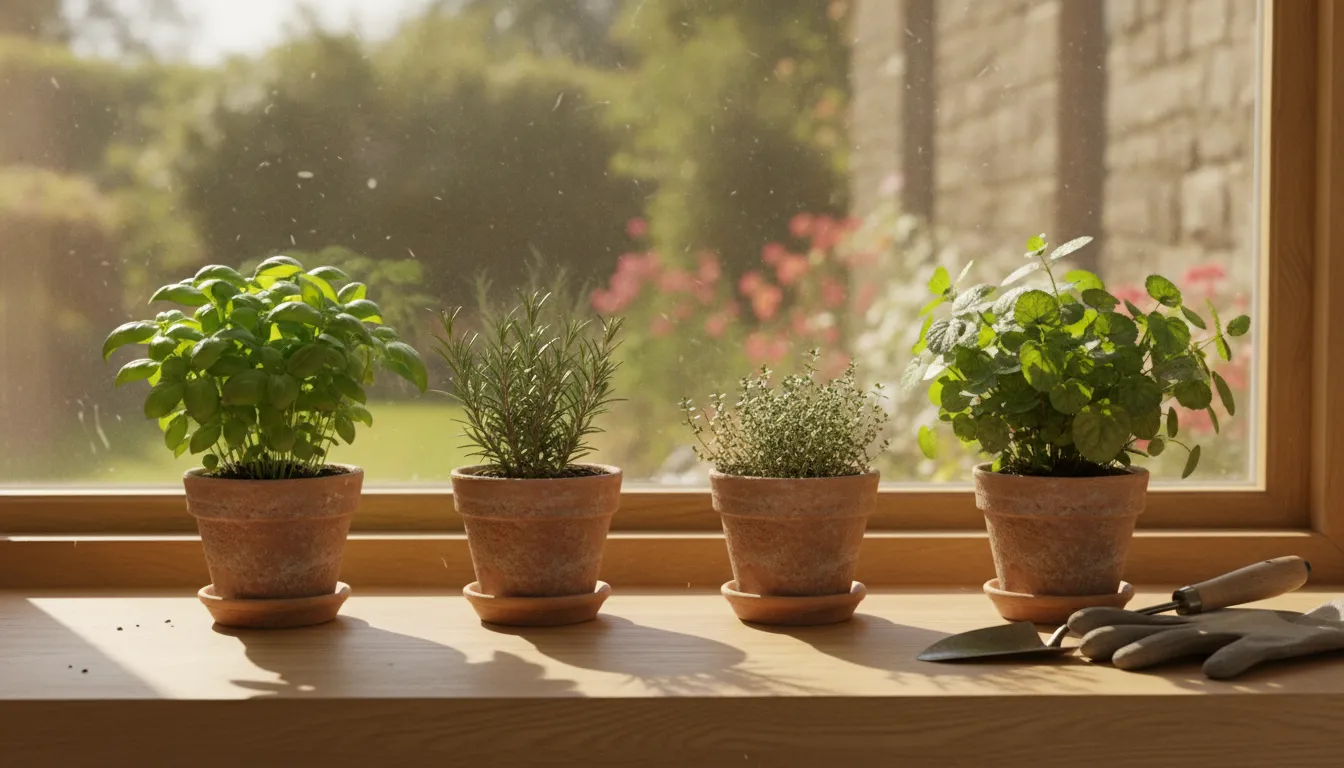
Growing herbs at home is one of the few sustainable gestures that offers immediate and concrete returns: you see the plant grow, smell the aroma, harvest, and eat. You don’t need to wait for a public policy or technological change. It’s an action that starts today, with a pot, a handful of soil, and a seed.
Every small home garden is also a vote of confidence in a different model of food production — local, packaging-free, waste-free, connected to natural rhythms. At a time when pressures on natural systems remain intense, this individual gesture matters, especially when multiplied by millions of homes.
Start with one plant. Observe, learn, grow alongside it. And when your garden is producing more than you use, share with neighbors, friends, or a community garden. The planet — and your lunch — will thank you.
