Why Your Old Clothes Are More Valuable Than You Think
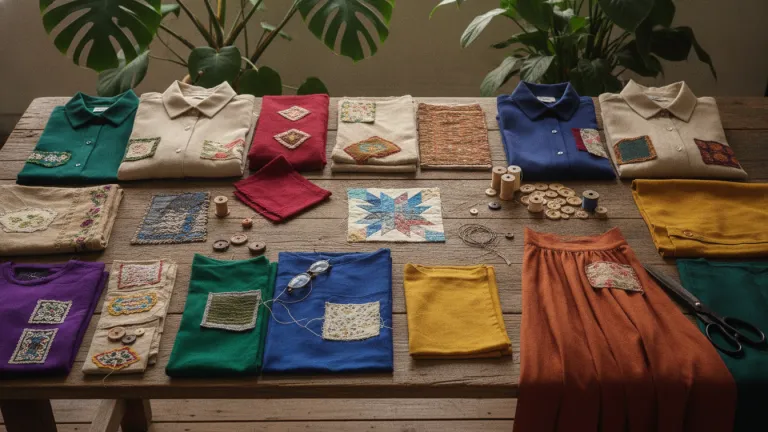
That faded t-shirt at the back of your drawer. The jeans with a tear at the knee. The dress you loved but outgrew. Before thinking about throwing them away or even donating, there’s a third option that’s transforming wardrobes and reducing fashion’s environmental impact around the world: upcycling.
Unlike regular recycling, which breaks down material to create something new, upcycling transforms the existing piece into something of equal or greater value without destroying it. Jeans become a bag. A dress shirt becomes a stylish apron. A worn-out sweater becomes cozy cushions. The process is creative, economical, and most importantly, necessary given the current state of the textile industry.
Fashion is identified by international organizations as one of the industrial sectors with the greatest environmental impact in the world. The excessive consumption of short-lifespan pieces — the so-called fast fashion model — generates enormous volumes of textile waste, consumes large quantities of water, and emits greenhouse gases throughout the entire production chain. Learning to upcycle is one of the most concrete and accessible ways to break this cycle.
The Real Problem with the Fashion Industry and Textile Waste
To understand why upcycling matters, we need to look behind the scenes of fashion. The textile industry is one of the most resource-intensive: conventional cotton production, for example, requires large volumes of water and extensive use of pesticides. The manufacture of synthetic fabrics, such as polyester, depends on petroleum derivatives and releases microplastics with every wash.
In Brazil, textile waste disposal is a growing problem. Although precise and comprehensive data is still difficult to consolidate — which itself indicates the lack of traceability in the sector — industry studies and initiatives like the Solid Waste Plan point to serious challenges with improper clothing disposal. Much of the discarded items end up in landfills or dumps, where synthetic fabrics can take decades to degrade.
Globally, the European Environment Agency and reports from the United Nations Environment Programme (UNEP) highlight that the textile sector is responsible for a significant share of global greenhouse gas emissions, as well as being one of the main sources of water body pollution from chemicals. The data that shocks most people: a significant portion of garments produced worldwide are never worn or are discarded after very few uses.
Upcycling vs. Recycling vs. Repair: Understanding the Differences
These three concepts often appear together in conversations about conscious consumption, but they’re not the same thing. Knowing how to distinguish them helps you choose the best approach for each situation.
| Approach | What it is | Practical example |
|---|---|---|
| Repair | Fix the piece for its original use | Sewing a tear, replacing a button |
| Upcycling | Transform into something new of equal or greater value | Old jeans become a bag or shorts |
| Textile recycling | Shred the fabric to create new raw material | Used by companies, difficult at home |
Repair is always the first option — if the piece still serves its function, fixing it is the most sustainable action of all. When that’s not possible or when the piece has completely lost its original usefulness, that’s when upcycling comes in. Textile recycling proper, which involves shredding and reprocessing the material, is more suitable for companies with specialized equipment.
How to Start: A Practical Guide to Upcycling at Home
You don’t need to be a professional seamstress or have an expensive sewing machine to begin. Many upcycling projects use only scissors, fabric glue, needle, and thread. Here’s how to take the first step:
- Take inventory of your wardrobe. Set aside pieces you no longer wear, that are damaged, or that no longer fit. Sort them by fabric type and condition.
- Assess each piece’s potential. Cotton t-shirts are versatile: they can become tote bags, headbands, reusable cleaning rags, or even a no-sew fringe rug. Jeans are durable and ideal for bags, pouches, and notebook covers.
- Start with a simple project. The no-sew tote bag from a t-shirt is a classic for beginners: just cut the sleeves and bottom, make fringes, and tie them. No prior sewing skills required.
- Gather basic materials. Sharp scissors, a ruler, tailor’s chalk or fabric marker, pins, needle, and basic thread will handle most beginner projects.
- Use visual references. Video tutorials are great allies. Search for specific projects for the type of piece you have — quality content is available on this topic.
- Document and share. Photographing the before and after encourages continuing the habit and can inspire those around you.
Upcycling Projects for Each Type of Garment
Each fabric has its own characteristics that determine what it can become. Check out some practical ideas organized by garment type:
T-shirts and knits:
- No-sew tote bags
- Headbands and hair scarves
- Cushions stuffed with fabric scraps
- Reusable cleaning rags (replacing paper towels)
- Braided or woven rugs
Jeans:
- Bags and zippered pouches
- Shorts (cut and finish the hem)
- Notebook or tablet covers
- Kitchen utensil holders
- Aprons with functional pockets
Dress shirts and blouses:
- Kitchen aprons
- Pouches and pencil cases
- Cushions with decorative buttons
- Cropped tops from the cut bottom portion
Sweaters and wool items:
- Cozy cushions
- Fingerless gloves by cutting the sleeves
- Thermal bottle covers
- Ornaments and garlands for decoration
General fabrics (scraps):
- Book covers
- Reusable gift wrapping (Japanese furoshiki style)
- Jewelry holders
- Washable coffee filters
Upcycling as a Lifestyle: Beyond One-Off Projects
Upcycling occasionally is great. But incorporating the upcycling mindset into daily life is even more transformative. This means changing how you look at objects around you — not just clothes, but also packaging, furniture, and other household items.
In the context of clothing, this mindset translates into some concrete practices:
- Buy with intention. Before purchasing a new piece, ask yourself if you really need it and how long you’ll use it.
- Value what you already have. The most sustainable piece is the one that already exists in your wardrobe.
- Swap with friends and neighbors. Collective thrift stores and swap meets have grown significantly in recent years and allow you to refresh your wardrobe without consuming new resources.
- Learn basic sewing. Knowing how to do a simple stitch or replace a button greatly extends the lifespan of your clothes. Many communities and cultural centers offer free or low-cost workshops.
- Seek repair professionals. Seamstresses, cobblers, and tailors are powerful allies of conscious consumption — and by using their services, you also support a local and specialized workforce.
If you want to deepen your conscious consumption journey beyond the wardrobe, the article Sustentabilidade no Dia a Dia: Por Onde Começar? provides a broad overview of accessible practices for different aspects of daily life.
The Growing Upcycling Movement in Brazil and Worldwide
Upcycling has moved from niche to real trend — and this is visible on different fronts. In fashion, designers and independent brands now work exclusively with repurposed materials, creating unique pieces from leftover stock or discarded clothing.
In Brazil, circular economy initiatives have been gaining ground in incubators, university extension programs, and social projects that combine income generation with sustainability. Seamstress cooperatives that work with scraps and donated clothes are examples of how upcycling can be both environmentally and socially transformative.
On the international scene, the concept of “fashion circularity” has been driving debates in forums like the World Economic Forum and within the UN’s Sustainable Development Goals (SDGs), especially SDG 12, which addresses responsible production and consumption. Pressure for stricter regulations in the textile sector is also growing in Europe, where ecodesign legislation seeks to hold producers accountable for the complete lifecycle of garments.
For those who want to better understand how individual choices connect to broader sustainability and climate scenarios, it’s worth reading about Como Preservar o Meio Ambiente no Dia a Dia.
Conclusion: Your Clothes Have Another Story to Tell
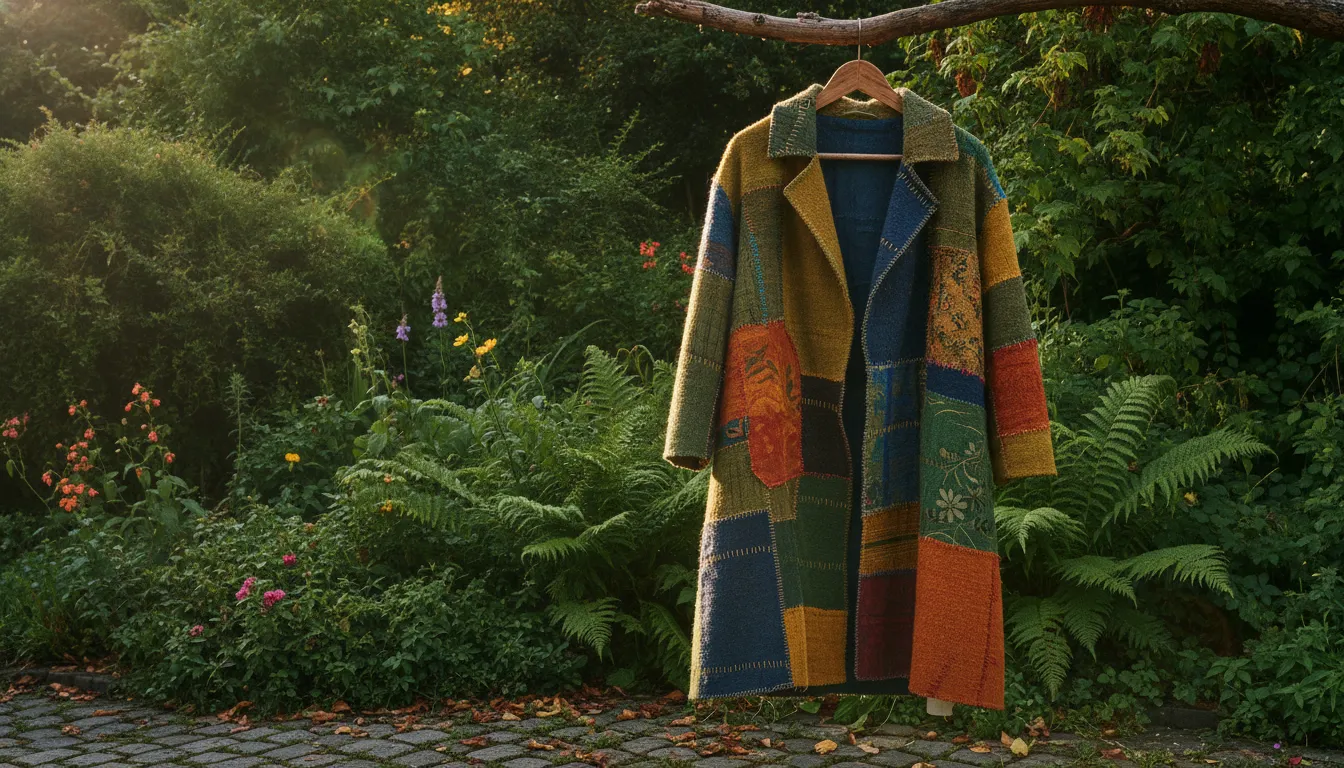
Upcycling doesn’t require perfection, advanced skills, or large investments. It requires, above all, a change in perspective: seeing potential where before there was only waste.
Every piece you transform instead of throwing away is a small concrete victory — for your wallet, for your creativity, and for the planet. And the most encouraging thing is that this is a practice anyone can start today, with what they already have at home.
Choose a piece from your wardrobe that you were about to discard. Search for a simple tutorial. Grab some scissors. And begin. The next chapter of that garment is waiting for you.
