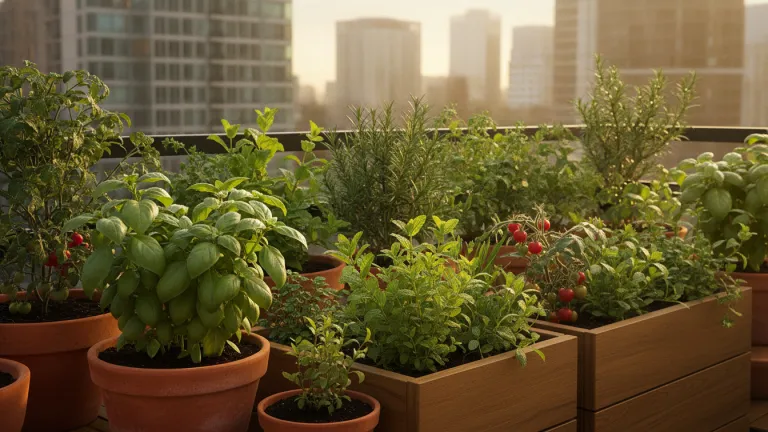
Why Starting an Apartment Garden Makes All the Difference
Living in an apartment doesn’t mean giving up on growing your own food. Quite the opposite: with creativity, a few pots, and a corner with good natural light, anyone can transform a balcony, windowsill, or even a well-lit hallway into a small productive garden. And the benefits go far beyond what ends up on your plate.
At a time when cities are concentrating more and more people — according to the UN, over 55% of the world’s population already lives in urban areas, and this proportion is expected to grow in the coming decades — reconnecting with the process of growing food is simultaneously a political, therapeutic, and environmental act. Reducing dependence on food transported over long distances, decreasing the volume of plastic packaging, and having control over what goes on your plate are real achievements that start with a seed and a bit of soil.
This guide was designed for apartment dwellers who want to take the first step — or improve what they already have. You’ll find practical tips, plant options for different conditions, and guidance to avoid wasting money or getting frustrated in the process.
Which Plants Are Ideal for an Apartment Garden
Before randomly buying seeds, it’s essential to choose plants compatible with your space, lighting, and the time you have available. Some species adapt very well to indoor environments and small pots; others require conditions that an apartment rarely offers.
Aromatic herbs: the favorites of urban gardening
Herbs are the perfect entry point for beginners. They grow well in small pots, tolerate moderate lighting, and have a quick harvest cycle — which keeps motivation high.
- Basil – needs plenty of direct sunlight (at least 4 hours per day); ideal for balconies
- Chives – quite resilient, tolerates partial shade and grows quickly
- Parsley – prefers indirect light and moist soil, great for north-facing windows
- Mint – grows vigorously but needs a separate pot as it invades other plants’ space
- Rosemary – tolerates heat and drought well; requires direct light and moderate watering
- Cilantro – grows quickly and prefers mild temperatures; ideal in fall and winter
Compact vegetables and greens for containers
With slightly larger pots (starting from 5 liters), you can grow real vegetables:
- Lettuce – one of the most adapted to container growing, tolerates partial shade and offers continuous harvest
- Arugula – short cycle (about 30 days) and distinctive flavor
- Radish – a root that fits well in deep pots; harvest in less than 40 days
- Cherry tomatoes – require full sun and a large pot (minimum 10 liters), but produce abundantly
- Peppers – resilient, productive, and ornamental at the same time
- Spinach – prefers milder climates; great in the southern and southeastern regions between April and September
How to Set Up Your Apartment Garden: Step by Step
You don’t need much to get started. Here’s a practical and progressive guide:
- Assess the available light. Observe where the sun enters your apartment throughout the day. Balconies facing north or east typically receive direct morning light — the most favorable for most plants. Note how many hours of direct sunlight each space receives.
- Choose appropriate containers. Ceramic pots, recycled plastic, cut PET bottles, wooden crates, and even old sieves can work. The essential thing is that they have drainage holes at the bottom. Without drainage, roots will rot.
- Prepare quality substrate. Mix garden soil with potting mix (sold at nurseries) and, if possible, add homemade organic compost. A rich, well-draining substrate makes all the difference in plant health. You can learn to produce your own fertilizer at Faça adubo orgânico em casa e reduza o lixo.
- Plant seedlings or sow directly. For beginners, ready-made seedlings (available at nurseries and farmers’ markets) offer a higher success rate. Sowing is more economical but requires a bit more patience and attention during germination.
- Establish a watering routine. The general rule is: the soil should be moist, never waterlogged or completely dry. Touch the substrate with your finger — if the first two centimeters are dry, it’s time to water. In air-conditioned apartments, watering frequency tends to be higher.
- Fertilize periodically. Potted plants deplete substrate nutrients faster than those in the ground. Fertilize every 15 to 30 days with organic compost, worm castings, or liquid biofertilizers — all available at garden centers.
- Harvest frequently. Regular harvesting stimulates the plant to produce more. For herbs, remove only the outer leaves, leaving the center intact so the plant continues growing.
Growing Systems That Fit on Your Balcony
Besides traditional pots, there are alternatives that optimize space and production:
Vertical gardening: more plants, less space
Vertical structures — such as adapted pallets, felt bags fixed to the wall, tiered shelves, or wire supports — multiply the growing area without taking up floor space. They’re perfect for narrow balconies and allow you to create a functional and aesthetically beautiful “green wall.”
Compact aquaponics and hydroponics
Home hydroponic systems have grown in popularity in recent years, and affordable kits for apartment use are now available. In these systems, plants grow in aqueous nutrient solution without soil, which reduces the volume of substrate needed and makes pest control easier. Aquaponics adds fish to the system, creating a cycle where animal waste fertilizes the plants. These are more technical solutions, but with accessible tutorials and surprising results.
Window mini-greenhouse
For those with little space but wanting diversity, window mini-greenhouses (transparent structures with internal shelves) create a favorable microclimate and protect plants from wind and cold. They’re sold ready-made or can be improvised with simple wood and rigid plastic structures.
Environmental Benefits of Urban Gardening
Growing your own food at home has concrete impacts on the environment, even if the scale seems small:
- Reduction in plastic packaging disposal: fresh herbs and greens are usually sold wrapped in single-use plastic. Growing them at home eliminates this waste stream.
- Decreased food transportation: food travels great distances to reach urban consumers’ tables, generating greenhouse gas emissions throughout the entire logistics chain.
- Integrated composting: the garden creates a noble destination for peels, coffee grounds, and organic scraps, reducing the volume of waste sent to landfills — where organic waste produces methane, a potent greenhouse gas.
- Increased local biodiversity: even on a balcony, flowering plants attract bees and other pollinators that are under increasing pressure in urban environments.
- Thermal comfort: plants on balconies and windows function as natural insulation, reducing the internal temperature of apartments and decreasing air conditioning use.
Common Mistakes in Apartment Gardening (and How to Avoid Them)
Many people give up on home gardening after their first frustrated attempts. Almost always, the problem has a simple solution:
| Mistake | Most common cause | How to fix |
|---|---|---|
| Yellowing plants | Overwatering or lack of nutrients | Adjust watering frequency; fertilize |
| Etiolated plants (elongated and weak) | Insufficient light | Move to a brighter location |
| Pests (aphids, mites) | Dry environment or stressed plants | Water spray, diluted neutral soap |
| Waterlogged soil | Pot without drainage | Add holes; use light substrate |
| Wilted plants even when watered | Root rot from overwatering | Repot with dry substrate |
Another important point: don’t try to grow everything at once when starting out. Begin with two or three species, learn their rhythm, and expand gradually. Gardening is a continuous learning process.
Integrating the Garden into a Sustainable Lifestyle
An apartment garden is a starting point, not a final destination. As you begin growing part of what you consume, new connections with food naturally emerge: greater interest in seasonal eating, curiosity about the origin of what you buy at the market, and willingness to choose local and responsible suppliers.
This path complements other practical attitudes, such as buying from local producers — a way to support lower-impact agriculture and strengthen regional economies. And when the garden doesn’t supply everything you need, choosing seasonal foods is another decision that reduces your diet’s environmental footprint.
The garden is also, not uncommonly, a space for mental health. Caring for plants in an urban environment reduces stress, promotes mindfulness, and creates a sense of daily purpose that goes beyond the harvest. Studies in environmental psychology consistently point to the positive effects of contact with nature — even if that contact is a pot of basil on the kitchen windowsill.
Start Small, Think Big
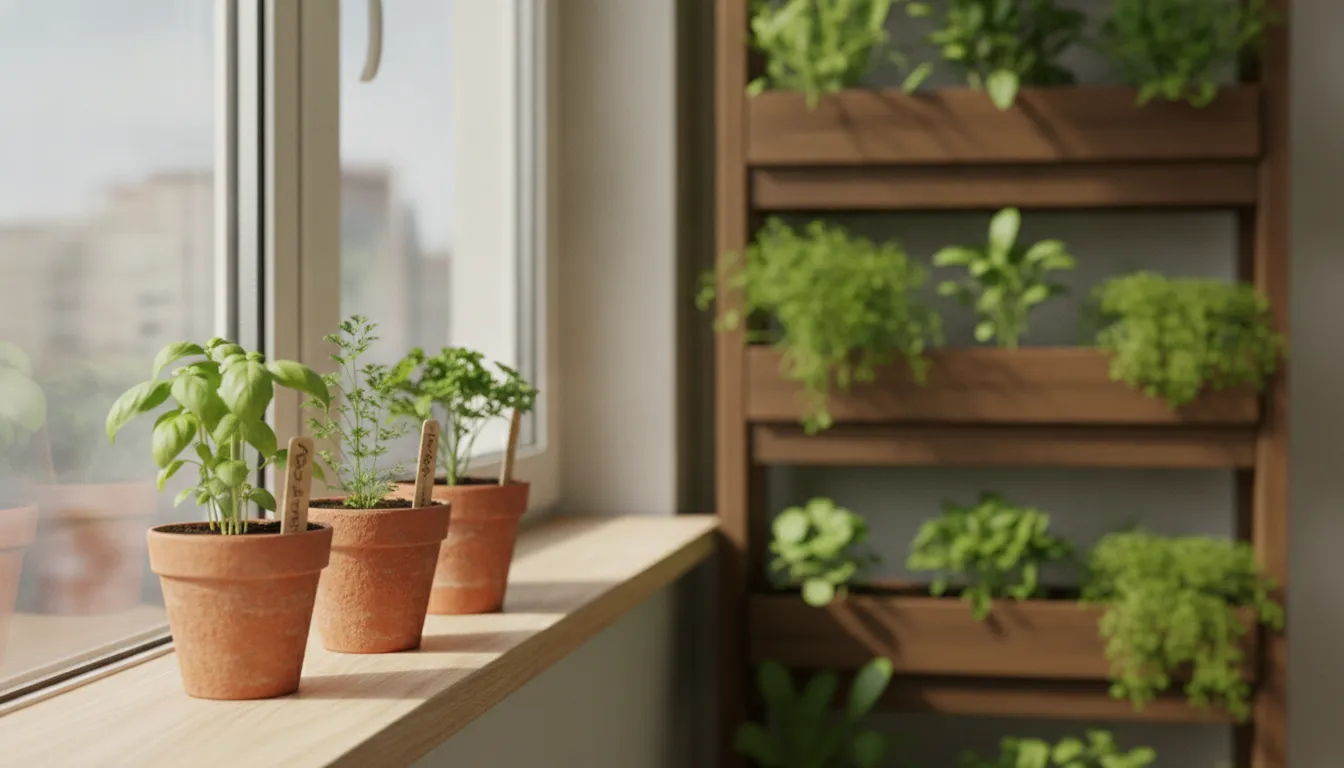
You don’t need a backyard, a lot of money, or years of experience to have a functioning garden at home. You need curiosity, a bit of attention, and willingness to learn from the plants — including when something goes wrong.
Start today with a single pot of chives or arugula. Observe, water, harvest. And when that first lettuce goes from the pot straight to your salad, you’ll understand why so many people, in apartments across cities worldwide, can no longer imagine their kitchen without a little green plant in the corner of the window.
The planet thanks you. And so does your palate.
