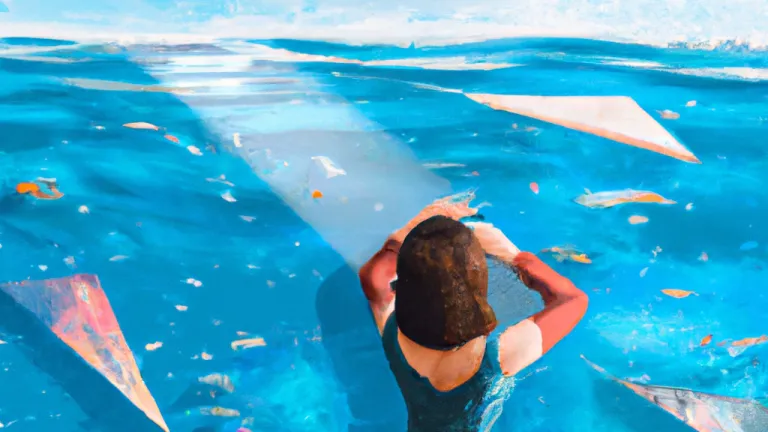
Dive into Ocean Conservation: Protecting Our Seas for the Future
The oceans cover more than 70% of the Earth’s surface and play a crucial role in climate regulation, oxygen production, feeding millions of people, and maintaining marine biodiversity. However, the health of our oceans is threatened by pollution, overfishing, acidification, and climate change. It is crucial that we take urgent measures to protect our seas and ensure a sustainable future for generations to come.
The Importance of Oceans for the Planet
Oceans are the heart of our planet, playing a vital role in climate regulation and carbon dioxide absorption. They are also home to an incredible diversity of marine life, from tiny plankton to large whales. Additionally, oceans provide food and livelihoods for millions of people worldwide, especially in coastal communities.
However, oceans are facing a series of threats that are jeopardizing their health and the survival of marine species. Pollution from plastics, chemicals, and industrial waste is contaminating the oceans and harming marine life. Overfishing and the destruction of coastal habitats are leading to the depletion of fish populations and the collapse of entire ecosystems. Moreover, climate change is causing ocean temperatures to rise and water acidification, negatively affecting coral reefs and other marine life forms.
How We Can Protect Our Seas
To protect our oceans and ensure the health of marine ecosystems, it is essential to adopt conservation and sustainability measures. Here are some ways we can contribute to ocean preservation:
1. Reduce Pollution
One of the main threats to oceans is pollution caused by the discharge of plastic waste, chemicals, and other pollutants. To reduce marine pollution, we should recycle, reuse products, and avoid using disposable plastics. Additionally, it is important to support beach clean-up initiatives and awareness campaigns about the importance of keeping oceans clean.
2. Promote Sustainable Fishing
Overfishing is depleting fish populations and endangering the food security of millions of people. To ensure sustainable fishing, we must adopt responsible fishing practices, respect catch limits, and protect breeding and feeding areas of marine species. Supporting local fishermen and consuming fish from sustainable sources is also crucial for ocean conservation.
3. Protect Coral Reefs
Coral reefs are vital marine ecosystems that host a wide variety of marine life. However, they are facing increasing threats due to ocean acidification, pollution, and global warming. To protect coral reefs, we must reduce carbon emissions, avoid predatory fishing, and create marine protected areas where these ecosystems can recover.
4. Combat Climate Change
Climate change is causing ocean temperatures to rise, polar ice caps to melt, and water acidification. To combat climate change and protect the oceans, we must reduce carbon emissions, invest in renewable energy, and support environmental conservation policies. Additionally, it is important to support scientific research on the impacts of climate change on marine ecosystems and implement adaptation measures to protect marine life.
Conclusion
Preserving the oceans is essential to ensure the health of our planet and the survival of marine species. To protect our seas, we must adopt conservation measures, promote sustainable practices, and combat threats to marine life. By acting responsibly and consciously, we can contribute to ocean preservation and ensure a sustainable future for generations to come.
