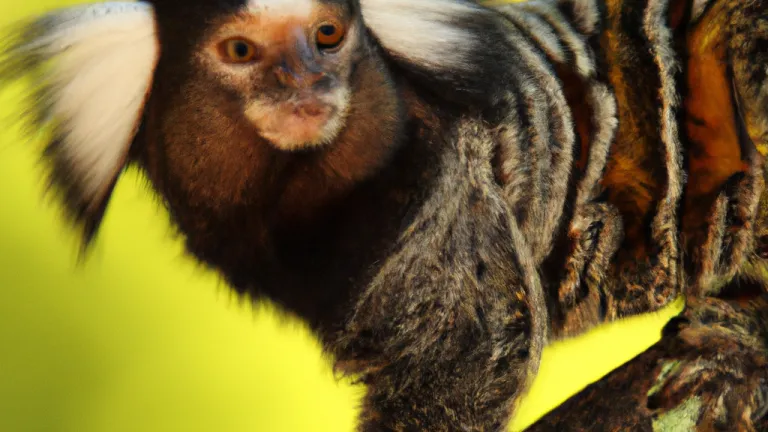
Explore the Incredible Diversity of Wildlife on Our Planet
The wildlife on our planet is extremely diverse and astonishing. With millions of different species, animals play essential roles in both terrestrial and aquatic ecosystems. In this article, we will explore the vast variety of animal life that inhabits Earth, highlighting the importance of conserving and preserving these species to ensure a healthy environmental balance.
The Importance of Wildlife Diversity
Wildlife diversity is crucial for ecosystem stability. Each animal species has a specific role to play in its environment. From predators controlling prey populations to pollinators ensuring plant reproduction, every animal contributes to ecological balance.
Moreover, wildlife diversity is also important for human health. Many medicines and treatments are derived from substances found in animals, such as snake venoms and bactericidal substances produced by amphibians.
The Different Groups of Animals
The planet’s wildlife can be divided into several main groups, each with its own characteristics and peculiarities. Let’s explore some of these groups below:
Mammals
Mammals are warm-blooded animals with mammary glands and body hair. They include a wide variety of species, from large elephants and whales to small rodents and bats. Mammals play fundamental roles in ecosystems, such as seed dispersal and prey population control.
Birds
Birds are vertebrate animals with feathers, wings, and beaks. They are known for their incredible diversity of sizes, shapes, and colors. Birds play important roles in plant pollination, seed dispersal, and insect control.
Reptiles
Reptiles are cold-blooded animals with scales and primarily breathe through lungs. They include snakes, lizards, turtles, and crocodiles. Reptiles play key roles in ecosystems, such as controlling prey populations and maintaining ecological balance.
Fish
Fish are aquatic animals that have gills for underwater breathing. They are found in a variety of aquatic environments, from rivers and lakes to oceans and coral reefs. Fish play important roles in the aquatic food chain and in maintaining the health of marine ecosystems.
Amphibians
Amphibians are animals that spend part of their lives in water and part on land. They include frogs, toads, salamanders, and newts. Amphibians are important indicators of ecosystem health, as they are sensitive to environmental changes such as pollution and habitat destruction.
Threats to Wildlife Diversity
Unfortunately, wildlife diversity is increasingly threatened by human actions. Habitat destruction, illegal hunting, pollution, and climate change are just some of the threats endangering the survival of many animal species.
It is crucial that we take urgent measures to protect and preserve the diversity of wildlife on our planet. Nature conservation and the creation of protected areas are essential to ensure the survival of animal species and the maintenance of ecological balance.
Conclusion
The diversity of wildlife on our planet is truly incredible and inspiring. Each animal species is unique and plays a fundamental role in the functioning of ecosystems. Protecting and preserving wildlife is a responsibility for all of us, as the planet’s health depends on wildlife diversity.
To learn more about the importance of nature conservation, read our post Protecting Our Home: How Nature Conservation Can Save the Planet.
