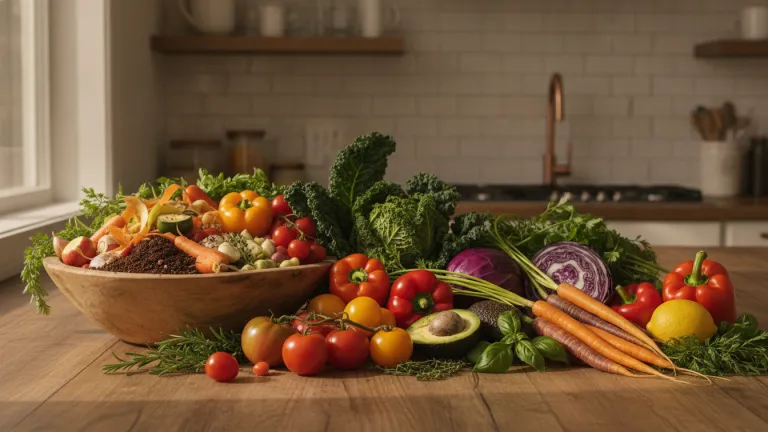
Why food waste is one of the biggest problems of our time
Have you ever opened the refrigerator and found a piece of fruit withering in the corner, or thrown away half a pot of rice that was forgotten? It seems like something small, almost insignificant. But when this gesture multiplies across millions of homes, restaurants, supermarkets, and industries around the world, the result is one of the most serious silent crises of our era: food waste.
According to the United Nations Food and Agriculture Organization (FAO), approximately one-third of all food produced in the world for human consumption is lost or wasted along the supply chain. These are fruits that rot in the field before harvest, vegetables discarded for not meeting supermarket aesthetic standards, meals that never make it to the table. Meanwhile, hundreds of millions of people still face severe food insecurity — a contradiction that should deeply disturb us.
Most revealing is that this waste is not just an ethical or social problem. It is also economic and climatic. Reducing what you throw away in the kitchen is one of the most practical, accessible, and impactful actions any person can take today — and it also saves real money. Let’s understand how this works and what you can start doing right now.
The environmental impact of food waste that few people calculate
When food goes to the trash, it doesn’t just take the food itself with it. It carries all the energy, water, land, and human labor invested in its production. Growing, transporting, refrigerating, packaging — all of this has an enormous environmental cost.
The global food system is responsible for a significant portion of greenhouse gas emissions. Food waste contributes to this scenario significantly: when organic waste goes to landfills without proper treatment, it decomposes in anaerobic conditions and releases methane, a gas with much greater warming potential than CO₂ in the short term.
In Brazil, the scenario has important particularities. The country is one of the world’s largest food producers and, at the same time, faces considerable losses at every stage of the chain — from the farm to the consumer’s table. Data from the Brazilian Institute of Geography and Statistics (IBGE) and research from Embrapa point out that post-harvest losses are especially significant in fruits, vegetables, and greens, more perishable products that require more careful logistics. Reducing this waste, therefore, has a positive cascading effect: fewer emissions, less pressure on natural resources, and more food available for those who need it.
How much money are you throwing away without realizing it
Talking about sustainability is important, but let’s be direct: your wallet matters too, especially in a context of high cost of living. Food waste represents a real and often invisible expense for Brazilian families.
Studies conducted by entities such as the Akatu Institute show that most Brazilian families are not clear about how much they waste monthly. When you throw away purchased and unused food, you’re essentially paying for something you didn’t consume. Over a year, this amount can be significant — enough to cover other needs or simply add to your budget. The good news is that small changes in habits have a direct and quick impact. Planning purchases, storing food correctly, and creatively reusing leftovers are simple strategies that reduce waste and, consequently, spending on food. You don’t need to do everything at once: every step counts.
How to plan your shopping to waste less
Waste often begins even at the supermarket. Buying on impulse, without a list and without planning, is one of the main factors that leads food to the trash before being consumed. Simple planning can transform this reality.
- Make a weekly menu before going shopping. Decide what you’ll eat during the week, considering breakfast, lunch, and dinner. This prevents duplicate purchases and ensures you use what you bought.
- Check what you already have at home. Before listing what to buy, open the refrigerator, freezer, and pantry. Identify what is close to expiration and plan meals that use these items first.
- Make a list and stick to it. It seems obvious, but it works. The list reduces impulse purchases and helps avoid duplicates.
- Buy the right amount. Promotions of “buy 3, pay 2” are only worth it if you really will use all three items before they expire. Otherwise, the discount turns into waste.
- Prefer farmers markets and greengrocers for fruits and vegetables. In these spaces, it’s often possible to buy the exact quantities you need, without having to take larger closed packages than necessary.
To deepen your consumption strategies, check out the article Conscious shopping: habits that make a real difference.
Smart storage: the key to keeping more and wasting less
There’s no point in shopping well if storage is inadequate. Much of the food that goes to the trash could have lasted much longer with small adjustments in how it’s stored.
Practical storage tips by category
Fruits and vegetables:
- Don’t wash before storing; moisture accelerates deterioration.
- Separate fruits that release ethylene (like bananas, apples, and avocados) from others, as this gas accelerates the ripening of nearby foods.
- Green leaves last longer if stored wrapped in slightly damp paper towels inside a closed container in the refrigerator.
Proteins:
- Meat, chicken, and fish that won’t be used within two days should go straight to the freezer.
- Portion before freezing to thaw only what you need.
Grains and dried goods:
- Store in airtight containers, away from moisture and direct light.
- Label with the opening date to track usage time.
Leftover meals:
- Store in transparent containers so they’re visible in the refrigerator — what you don’t see, you don’t eat.
- Consume leftovers within three days or freeze immediately after cooling.
For a more complete guide on the topic, the article Preserve food at home and end waste provides detailed tips for each type of food.
Complete use: what you would throw away can become a meal
One of the most powerful mindset shifts in sustainable cooking is seeing potential where trash once was. The so-called complete use of food means using parts that normally go to waste — stems, peels, leaves, and seeds.
See some practical examples:
- Kale and broccoli stems: can be sautéed, added to soups, or blended into green juices.
- Banana peels: when well washed, can be used in recipes like cake, farofa, or even vegan pulled “meat”.
- Carrot and beet leaves: are edible and can go into sautéed dishes, pesto, or homemade broths.
- Day-old bread: becomes French toast, croutons, farofa, breadcrumbs for salad or bread pudding base.
- Passion fruit skin: is excellent for making candy or jam, and has recognized nutritional properties.
- Vegetable cooking water: use as a base for broths and soups instead of discarding.
- Overripe fruit juice: fruits too ripe to eat fresh are perfect for smoothies, jams, homemade ice cream, and sauces.
This approach reduces organic waste, saves money, and can even result in surprisingly tasty recipes.
Composting: when inevitable waste becomes a resource
Even with all the care, some organic waste is inevitable: peels that weren’t used, coffee grounds, broken eggs, pruning leftovers. For these cases, composting is the smartest and most sustainable alternative to landfills.
Composting at home doesn’t require much space or sophisticated equipment. It’s possible to set up a compact composter in an apartment using plastic buckets or stacked boxes with ventilation holes. The result, after a few weeks, is nutrient-rich natural fertilizer — excellent for pots, gardens, and vegetable patches.
The basic home composting process follows these steps:
- Separate organic waste from other garbage.
- Alternate layers of wet waste (peels, fruit scraps) with dry materials (dry leaves, shredded cardboard, sawdust).
- Mix the contents every few days to oxygenate.
- Maintain proper humidity — the compost should be damp like a lightly squeezed sponge.
- In about 30 to 90 days (depending on the method and ambient temperature), the compost will be ready for use.
Many Brazilian cities already offer organic waste collection programs or community composting drop-off points. It’s worth checking what options are available in your city.
Small actions, big difference: a summary of what you can do today
Change doesn’t need to be radical to be real. Here’s a list of concrete actions you can start applying immediately:
- Organize your refrigerator using the FIFO method (First In, First Out): place older products in front.
- Have a “leftover day” during the week to use everything in your refrigerator before buying more.
- Read labels carefully: “expiration date” and “manufacturing date” have different meanings — many products are still safe to consume after the indicated deadline if stored correctly.
- Use the freezer as an ally: freeze bread, cooked rice, beans, meats, and even some fruits.
- Note what you waste for a week. This simple exercise in awareness already changes behaviors.
- Cook in appropriate portions for the number of people in your home.
- Share the excess: if you realize you won’t consume something in time, offer it to neighbors, friends, or food-sharing groups.
Conclusion: every choice in the kitchen is a vote for the world we want
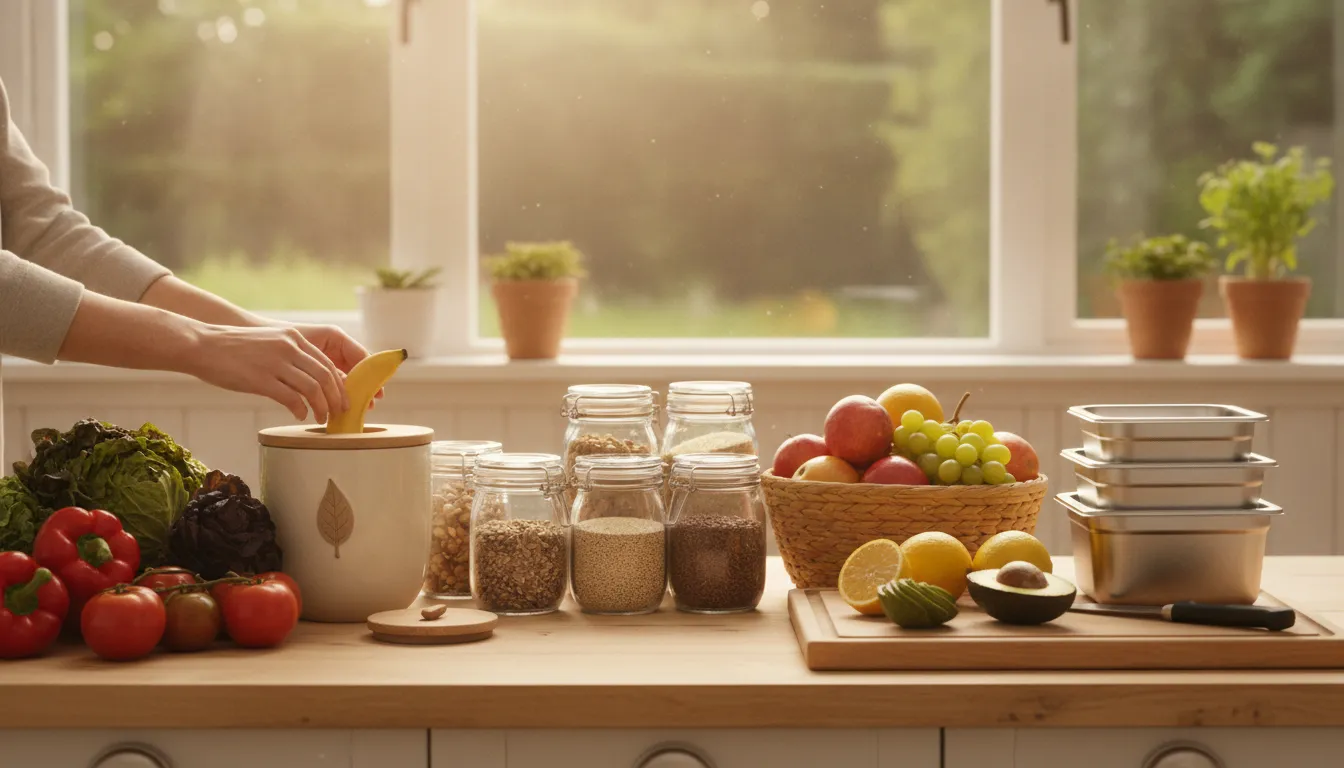
Reducing food waste is one of the most democratic and accessible actions in the field of sustainability. It doesn’t require advanced technology, high investment, or great sacrifice — it requires attention, planning, and a gradual change in habits that, over time, become natural.
Every time you use a vegetable completely, freeze leftover dinner, or plan the week before going to the market, you’re doing something concrete: saving money, reducing emissions, and contributing to a more just and balanced food system. These gestures, multiplied by millions of people, have the power to transform realities.
Start small, but start. Choose one or two tips from this article and put them into practice this week. Then move on to the next ones. The kitchen can literally be the starting point for a more sustainable — and more economical — lifestyle. The planet thanks you, and so does your wallet.
