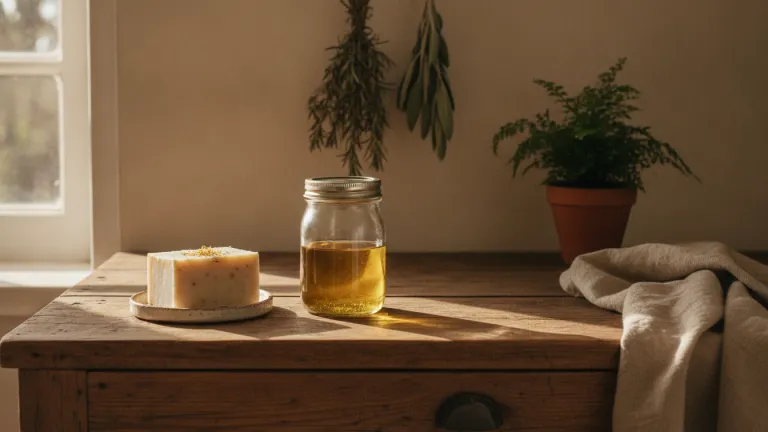
Every time you fry an egg, sauté vegetables, or prepare that Sunday roast chicken, something is left over that almost always goes straight down the drain or into the trash: used cooking oil. This dark, greasy liquid seems useless, but it carries enormous potential — both for your wallet and for the environment. Transforming it into homemade soap is one of the oldest, most accessible, and smartest practices anyone can adopt today, without needing special equipment or advanced technical knowledge.
The impact of improper cooking oil disposal is more serious than it appears. According to the Akatu Institute and information consolidated by agencies such as Brazil’s National Water and Sanitation Agency (ANA), oil poured down the drain forms impermeable layers in pipes and water bodies, harming oxygenation and compromising aquatic life. A single liter of oil can contaminate up to a thousand liters of water — a figure widely recognized by sanitation experts and used in educational campaigns in Brazil. Making soap with this waste not only prevents this damage but also replaces industrialized products, reducing the consumption of plastic packaging and synthetic chemicals.
And the best part: soap made at home with recycled oil actually works. It’s effective for washing dishes, cleaning surfaces, scrubbing stained clothes, and even sanitizing floors. In this article, you’ll learn how to make it, what precautions to take, why this simple gesture matters, and how to turn this practice into a sustainable habit within your routine.
Why recycling cooking oil is urgent and necessary
Brazil is one of the largest consumers of vegetable oil in the world. We are significant producers of soybeans, palm, sunflower, and other oilseed grains, and a substantial portion of this production feeds home kitchens, restaurants, and food industries. The problem begins after the frying pan.
Most of the oil used in Brazilian households is still disposed of improperly — down the sink, in the toilet, or directly in regular trash. When it goes down the drain, the oil solidifies in pipes, contributing to clogs and increasing maintenance costs for the sewage system. When it reaches rivers and lakes, it forms a film that prevents light and oxygen from entering the water, destroying entire ecosystems.
Beyond the direct environmental damage, improper disposal has real economic costs for society: sanitation companies spend considerable resources to unclog networks and treat effluents contaminated by grease. Transforming used oil into soap is, therefore, an act that closes a cycle: waste becomes a resource, the problem becomes a solution.
What you’ll need to make homemade soap with used oil
Before starting, it’s important to gather the right materials and understand the role of each one. The basic recipe involves few ingredients but requires attention, especially when handling caustic soda.
Main ingredients:
- Used cooking oil (filtered to remove food residue)
- Caustic soda in flakes or microbeads (sodium hydroxide — NaOH), found in hardware stores and supermarkets
- Filtered or mineral water
- Optional: coarse salt (to harden the soap), natural essences (for fragrance), or vinegar (to neutralize soda splashes)
Required equipment:
- Resistant plastic or stainless steel container for mixing (never aluminum — it reacts with soda)
- Wooden or plastic spoon or spatula
- Chemical-resistant rubber gloves
- Safety goggles
- Silicone molds, ice cream containers, or cardboard boxes lined with plastic
- Kitchen scale (recommended for precise measuring)
Basic ratio (beginner recipe):
| Ingredient | Quantity |
|---|---|
| Filtered used oil | 1 liter |
| Caustic soda (NaOH) | 200 g |
| Water | 400 ml |
This ratio may vary slightly depending on the type of oil used, but it’s a safe and tested starting point by artisan producers and home chemistry labs.
How to make soap with used oil: safe and efficient step-by-step
Safety is the number one priority. Caustic soda is a corrosive product that causes severe burns on contact with skin and eyes. Follow each step carefully.
- Filter the used oil. Pass the oil through a fine strainer or clean cloth to remove food remnants. The cleaner the oil, the better the soap quality.
- Prepare the environment. Work in a well-ventilated area with natural airflow. Put on gloves and safety goggles before any soda handling.
- Dissolve the soda in water — never the other way around. Add the caustic soda slowly to the water (not water to soda). The reaction is exothermic: the mixture will heat up and release vapor. Stir carefully and wait for it to cool to room temperature.
- Gently heat the oil. The oil should be warm — between 40°C and 50°C (104°F-122°F). There’s no need to boil it.
- Mix the soda solution into the oil. Add the soda solution (already cool) to the warm oil, slowly, stirring in constant circular motions. Mix for 20 to 30 minutes until the mixture reaches “trace” — when it thickens and becomes cream or porridge-like in consistency.
- Add extras if desired. Coarse salt (about 100 g per liter of oil) helps harden the soap. Lavender, orange, or clove essences can be added at this point.
- Pour into molds. Transfer the mixture to your chosen molds, cover with cloth or cardboard to retain heat, and let it rest for 24 to 48 hours.
- Unmold and cure the soap. After it sets, unmold and cut into bars. The soap needs to cure for at least 4 weeks in a dry, ventilated place. During this time, the chemical reaction completes and the soap’s pH drops to a safe level for use.
- Test before using in large quantities. Before using the soap on skin or delicate fabrics, do a small test in a discreet area.
Safety first: essential precautions with caustic soda
Caustic soda is the only ingredient in this recipe that requires extra attention. It’s not a reason for fear — it’s a reason for respect and preparation.
- Never use aluminum containers. Sodium hydroxide reacts with this metal, releasing hydrogen gas and potentially causing explosions.
- Keep children and pets away from the preparation area.
- In case of skin contact, wash immediately with abundant running water for at least 15 minutes. In case of eye contact, seek medical attention.
- Store caustic soda in a dry, closed place out of children’s reach.
- Freshly made soap still has a high pH and can irritate the skin — always wait for the curing period.
Real benefits: what you gain by making soap at home
Beyond the positive environmental impact, making homemade soap brings concrete advantages to daily life.
Financial savings: A bar of homemade soap costs a fraction of industrialized soap. Considering that the oil would be discarded anyway and that caustic soda is cheap and widely available, production costs are very low.
Reduction of plastic packaging: Each bar of soap produced at home replaces a plastic package that no longer needs to be manufactured, transported, and discarded.
More natural product: Artisan soap made with simple ingredients tends to contain fewer additives and preservatives than many industrialized products.
Sense of community: Many families and neighborhood groups organize soap-making events where oil is collected collectively and the produced soap is distributed or donated to underserved communities. This practice strengthens bonds and creates real social impact.
Appreciation of traditional knowledge: Making soap at home is ancestral knowledge that was being lost. Reviving this practice is also a way to reconnect generations and value simplicity.
How to integrate this practice into your routine sustainably
Creating the habit is as important as knowing the recipe. Some simple strategies help make oil recycling a natural part of your week.
- Store used oil in a PET bottle or lidded container next to the stove. When you accumulate about a liter, it’s time to make soap.
- Always filter before storing, while the oil is still warm — it’s easier than filtering it cold.
- If you don’t want to make soap, many Brazilian municipalities and supermarket chains have used oil collection points. Check with your local city hall or collector cooperatives in your region.
- Share the recipe. Teaching someone to make soap multiplies the positive environmental impact at no cost.
- Combine with other sustainable practices — such as buying from local producers, which also reduces emissions and strengthens the regional economy.
Conclusion: a small gesture with real impact
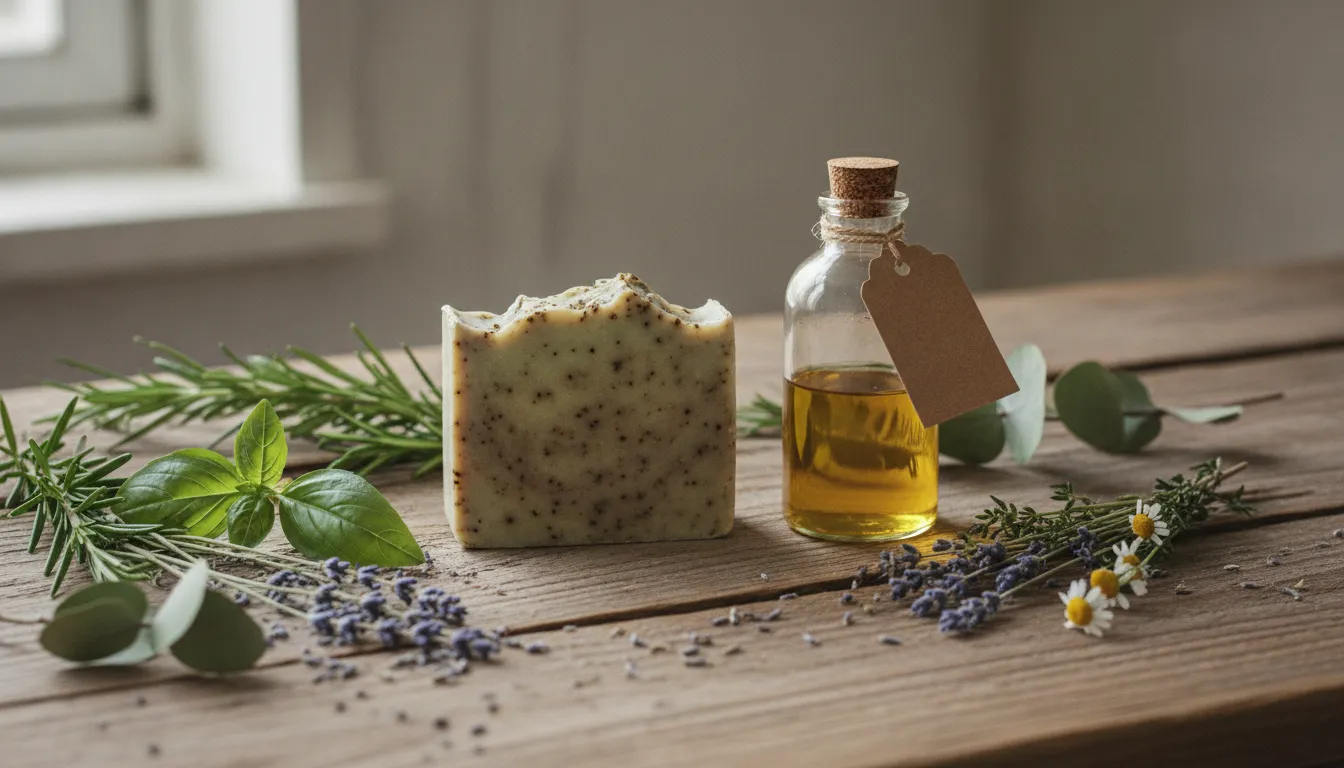
Making soap with used oil won’t save the planet on its own — no individual action does. But it’s a concrete, accessible, and effective gesture that connects household economy, environmental health, and collective responsibility in a way that few other practices can.
In 2026, with growing awareness about waste and consumption, more and more people are realizing that sustainability doesn’t require sacrifice — it requires creativity and willingness to rethink simple habits. Transforming what would be a problem into something useful is, in essence, what the circular economy proposes. And you can start with a liter of oil and a free afternoon.
Try it once. After seeing your first bar of soap ready — made with your own hands, from something that would have been thrown away — it’s hard to go back. Share with friends, take it to your children’s school, give it as a gift. Small actions, multiplied by many people, create real waves of change.
If you want to continue exploring ways to reduce your environmental impact in daily life, also check out our guide on how to dispose of batteries and electronics without harming the planet — another simple step that makes a big difference.
