Solar Energy in Apartments: Is It Worth Installing?
Living in an apartment and wanting to adopt solar energy might seem, at first glance, like a contradiction. After all, the roof isn’t yours, the space is shared, and decisions depend on homeowners’ meetings and internal condominium regulations. But the reality in 2026 is quite different from what many people imagine: solar energy for apartment dwellers is not only possible but has become one of the smartest options for savings and sustainability available in the Brazilian market.
In recent years, the photovoltaic sector in Brazil has grown significantly. According to data from ANEEL (National Electric Energy Agency), the country has accumulated dozens of gigawatts installed in distributed generation, and residential consumers represent a growing share of this market. With the improvement of the legal framework — especially after Law 14.300/2022, which regulated micro and mini distributed generation — new modalities emerged specifically for those living in vertical condominiums.
So, before dismissing the idea thinking it’s “not for you,” it’s worth understanding how the system works, how much real savings it can represent, and what’s needed to take the first step. This article was created to help you with exactly that.
How Solar Energy Works for Apartments
Unlike a house with its own roof, apartment dwellers essentially have three paths to access solar energy:
1. Solar Generation in the Condominium (Common Areas and Units)
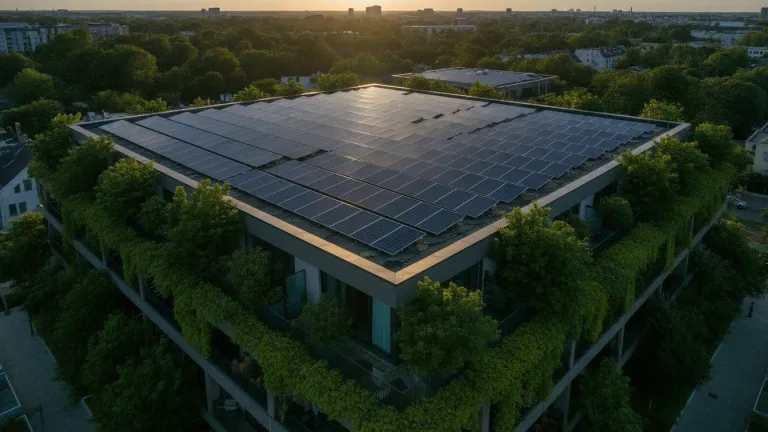
The condominium can install photovoltaic panels in available areas — rooftop, slabs, covered parking — and use this energy in two ways:
- Offset the consumption of common areas (elevators, lobby lighting, water pump, etc.), reducing the condominium bill and, consequently, the amount each resident pays.
- Share credits among units, allowing each apartment to receive a proportional discount on its own electricity bill.
This second option is regulated by ANEEL’s energy compensation system, which allows the condominium to distribute the credits generated by the panels among units registered with the same utility company.
2. Remote Solar Plants (Solar Energy by Subscription)
An alternative that has gained significant traction is remote generation, also called solar energy by subscription or solar farm. In this model, you subscribe to a share of energy generated by a solar plant located outside the city — often in rural areas with high solar incidence — and the credits are transferred directly to your electricity bill.
You don’t install anything. You don’t need condominium approval. You simply contract the service with one of the specialized companies in this modality, which are regulated by ANEEL within the distributed generation framework. The typical savings advertised by these companies usually range between 10% and 20% on the energy bill, but it’s important to read the contract carefully before signing.
3. Panels on Balconies or Windows (Individual Microgeneration)
There’s also a third option, still not widespread in Brazil, but technically viable: the installation of small-scale solar panels on balconies or verandas. These systems are generally low power and require condominium approval, plus technical analysis to ensure structural and electrical safety. For most apartments, this option represents quite limited generation and rarely covers a significant portion of consumption.
How Much Does It Cost to Install Solar Energy in a Condominium?
The cost of a photovoltaic system for a condominium varies according to the building’s size, the available area for installation, and the location’s energy demand. In general terms, systems for medium-sized residential condominiums may require investments ranging from tens to hundreds of thousands of reais — values that need to be quoted case by case by accredited installation companies.
The investment payback period depends directly on the local utility’s energy tariff, generation volume, and how much grid energy the system replaces. In well-dimensioned projects, payback typically occurs between 4 and 8 years, with panel lifespan estimated by manufacturers at around 25 to 30 years.
Some factors that directly influence viability:
- Electricity tariff charged by the utility company (the more expensive, the faster the return)
- Available area for panel installation
- Roof orientation and shading
- Average monthly condominium consumption
- Availability of financing lines (banks like BNDES and Caixa Econômica Federal offer lines for renewable energy)
Step by Step: How to Propose Solar Energy at the Condominium Meeting
If you want to bring this idea to your condominium, the path requires coordination and concrete data. Follow this roadmap:
- Survey the condominium’s current energy consumption. Ask the manager for the energy bills from the last 12 months to understand the consumption profile.
- Get quotes from at least three accredited installation companies. Request that the project include system sizing, monthly generation estimate, payback, and warranties.
- Prepare an objective presentation for the residents. Use projected savings data, payback, and environmental impact (such as CO₂ emission reduction). Clear numbers overcome resistance.
- Check the condominium bylaws. Some condominiums already have clauses about improvements. Generally, improvement works that generate savings depend on approval at the meeting by simple or qualified majority — consult a condominium lawyer if necessary.
- Bring the proposal to the meeting. Present the three quote options, explain the financing model, and keep the decision transparent.
- If approved, follow the installation and approval process with the utility company. Grid connection needs to be approved by the local utility, which can take a few months depending on the region.
- Monitor generation after installation. Most modern systems have apps that allow real-time production monitoring.
Solar Energy by Subscription: The Fastest Option for Residents
For those who don’t want to wait months for a meeting or can’t make a condominium project viable, solar energy by subscription is today the most accessible and immediate alternative.
The operation is simple: a distributed generation company builds or operates a solar plant, and you sign a contract to receive a share of the generated credits. These credits appear as a direct discount on your utility bill.
What to observe before contracting:
- Verify if the company is registered with ANEEL as a distributed generation agent
- Carefully read the minimum contract term and termination conditions
- Understand how credits are calculated and transferred to your account
- Compare the promised discount with your current tariff value
This modality requires no installation, has no initial cost, and can be contracted individually, regardless of what the condominium decides. It’s a way to start consuming cleaner energy today.
Real Environmental Impact: Why This Matters
Electricity generation from fossil fuels is one of the main sources of greenhouse gas emissions in the world. Brazil has a historically cleaner electricity matrix than the global average, with large participation of hydroelectric plants, but the expansion of thermoelectric plants during droughts increases sector emissions.
Adopting solar energy — whether through a condominium system or by subscription — directly contributes to reducing demand for energy generated by more polluting sources. Additionally, distributed generation reduces transmission losses, since energy is produced close to the point of consumption.
From an individual perspective, each kilowatt-hour generated by renewable sources represents less pressure on natural resources and the climate. And when we think about sustainability in daily life, every action counts — just as avoiding food waste at home is a practice that seems small but has real impact when multiplied by millions of people.
Frequently Asked Questions About Solar Energy in Apartments
Do I need condominium authorization to contract subscription energy?
No. Solar energy by subscription is an individual service contracted directly with the generating company. You don’t install anything in the building, so you don’t depend on condominium approval.
Do energy credits expire?
According to current ANEEL rules, energy credits generated by the compensation system are valid for 60 months from the month of generation.
Do solar panels work on cloudy days?
Yes, but with reduced efficiency. Photovoltaic panels generate energy from diffuse sunlight, not just direct light. Generation drops on heavy rain days but doesn’t cease completely.
What is the lifespan of solar panels?
Major manufacturers guarantee that panels maintain at least 80% of original efficiency after 25 years of use. After this period, they continue generating energy, just with slightly reduced performance.
Conclusion: Take the First Step Today
Living in an apartment is no longer an excuse to stay out of the solar revolution. In 2026, the options available for condominium residents are real, regulated, and financially attractive — and at least one of them (subscription energy) you can contract without depending on anyone.
If you want to go further and transform your condominium into an example of sustainability, the path exists: it starts with data, passes through a good proposal, and ends at the meeting. It may take a few months, but the impact lasts decades.
The energy transition doesn’t happen only in large plants and public policies. It also happens when a fifth-floor resident decides to research, talks to neighbors, and brings an idea to the meeting. That resident can be you.
Start by researching your apartment’s energy consumption over the last three months. Then, compare the subscription energy options available in your region. These are two simple — and free — steps that can change your relationship with the energy you consume every day.
