
Have you ever stopped to think that every decision you make throughout the day — from your morning shower to your grocery shopping — carries an environmental impact? The good news is that this impact can be positive, and the change begins much sooner than most people realize. Sustainability is not a concept reserved for scientists, activists, or wealthy people: it’s a set of accessible choices that anyone can incorporate into their routine.
The climate crisis is real and urgent. The IPCC (Intergovernmental Panel on Climate Change) reinforces in its most recent reports that individual and collective choices over the coming decades will be decisive in limiting global warming. But here we won’t talk about catastrophes — we’ll talk about solutions. About concrete, practical things you can start doing today, wherever you are.
This article was created for those who feel the urge to act but don’t know where to start. We’ll demystify sustainability, show that it fits within your budget and daily life, and present real steps to transform small habits into big changes.
Why Sustainability in Everyday Life Matters So Much
It’s common to hear that “the problem lies with big corporations” or that “one person alone makes no difference.” This narrative, while containing some truth regarding corporate responsibility, can become a paralyzing trap. The reality is that collective consumption habits shape markets, influence public policies, and generate pressure on companies and governments.
According to data from the United Nations Environment Programme (UNEP), household consumption patterns — including food, transportation, energy, and waste — account for a significant portion of global greenhouse gas emissions. When millions of people adopt more conscious choices simultaneously, the systemic effect is enormous.
Furthermore, living more sustainably often results in financial savings, better quality of life, and greater connection with your surroundings. It’s a two-way street: you take care of the planet, and the planet takes care of you.
Sustainability at Home: Starting with Energy Consumption
Your home is the most natural starting point for sustainable changes. The Brazilian electrical sector has one of the most renewable matrices in the world, with significant participation from hydroelectric, wind, and solar power — but that doesn’t mean wasting energy is harmless. Energy efficiency reduces costs and decreases pressure on the electrical system as a whole.
Simple Habits That Reduce Energy Consumption
- Unplug devices when not in use — “standby” mode consumes energy even when the equipment appears to be off.
- Replace incandescent bulbs with LEDs, which consume up to 80% less energy and last much longer.
- Use appliances during off-peak hours (generally after 9 PM), relieving demand during peak hours.
- Keep your refrigerator well-sealed and avoid opening it unnecessarily — it’s one of the most energy-consuming appliances in the home.
- Take advantage of natural light during the day, rearranging furniture to reduce the need for artificial lighting.
For those thinking of going further, residential solar energy is an increasingly accessible alternative in Brazil. Installation costs have dropped significantly in recent years, and return on investment has become faster. If you want to understand whether this option makes sense for your situation, read our complete article on Residential Solar Energy: Is It Worth It in 2026?.
Waste and Composting: Turning Trash into Resources
Brazil generates an enormous amount of solid waste every year, and a significant portion of this material goes directly to sanitary landfills — or worse, to open-air dumps. The Ministry of Environment and changes in Brazilian legislation have advanced toward proper management, but citizen participation is indispensable.
How to Reduce Your Household Waste in Practice
- Refuse the unnecessary: before accepting bags, straws, or disposable packaging, ask yourself if you really need them.
- Reduce consumption: buying less, and with more quality, generates less waste.
- Reuse packaging, jars, and containers before discarding them.
- Separate recyclable waste (paper, plastic, glass, metal) and take them to selective collection points or recycling cooperatives.
- Compost organic waste — which represents, on average, more than half of household waste in Brazil.
Composting deserves special attention. Turning food scraps, fruit peels, and coffee grounds into fertile fertilizer is one of the most impactful practices a person can adopt at home. It’s not complicated, doesn’t smell bad when done correctly, and can be done even in small apartments. Check out our guide on how to build a Cheap Homemade Composter: Make Your Own at Home and take the first step.
Sustainable Eating: Choices That Make a Difference on Your Plate and the Planet
The way we eat is one of the factors with the greatest individual environmental impact. Food production accounts for a relevant fraction of global greenhouse gas emissions, freshwater use, and deforestation, according to consolidated data from the FAO (Food and Agriculture Organization of the United Nations).
Steps Toward More Sustainable Eating
- Reduce food waste: plan your weekly meals, make shopping lists, and store food properly. Brazil wastes enormous amounts of food throughout the production chain, and the end consumer plays an important role in this.
- Eat more plant-based foods: you don’t need to become vegetarian overnight, but increasing the proportion of fruits, vegetables, grains, and greens in your diet already significantly reduces your diet’s environmental footprint.
- Prefer local and seasonal production: foods produced near you have a lower transportation footprint and tend to be fresher. Farmers’ markets and local markets are great options.
- Avoid ultra-processed foods: besides being less healthy, the production of ultra-processed foods usually involves long industrial chains with high energy consumption and plastic packaging.
- Pay attention to beef: extensive cattle ranching is one of the main causes of deforestation in the Amazon, according to MapBiomas and INPE. Reducing consumption or opting for products with traceability is a conscious choice.
Conscious Consumption: Buying Less and Better
We live in a culture of accelerated consumption, driven by promotions, fast trends, and planned obsolescence. The result is a cycle of buying and discarding that depletes natural resources and generates tons of waste. Conscious consumption doesn’t mean giving up comfort — it means making more intentional choices.
Questions That Help You Consume Better
Before any purchase, try asking yourself these questions:
- Do I really need this or is it an impulse?
- Can I rent, borrow, or buy it used?
- Does this product have durability and quality, or will it not last long?
- What is the environmental policy of the company that makes this?
Second-hand markets, thrift stores, exchange groups, and item rental platforms have grown significantly in Brazil in recent years — and represent a smart way to consume with less impact. A refurbished phone, a thrift store outfit, or a rented tool serve the same function as their new equivalents at a fraction of the environmental cost.
Sustainable Mobility: How to Get Around with Less Impact
Individual motorized transportation is one of the main sources of CO₂ emissions in Brazilian cities. But alternatives exist and have improved significantly.
| Mode of Transportation | Relative Environmental Impact | Observation |
|---|---|---|
| Combustion car (single occupant) | High | Especially in traffic jams |
| Public transportation | Low to medium | Depends on energy source and occupancy |
| Bicycle | Very low | Zero direct emissions |
| Walking | Zero | Ideal for short distances |
| Shared electric car | Low to medium | Depends on the electrical matrix |
Small changes make a difference: using public transportation when possible, cycling to work a few times a week, carpooling with colleagues, or simply planning your trips better to avoid unnecessary travel are attitudes that add up.
Water: The Most Precious Resource in a Sustainable Routine
Brazil holds one of the largest freshwater reserves on the planet, but its distribution is unequal and waste is a real problem. Saving water is not just an environmental issue — it’s a matter of social justice and water security for future generations.
Practical Habits to Save Water
- Turn off the tap while brushing your teeth and lathering your hands.
- Take shorter showers — reducing just two minutes per shower already represents significant savings over the month.
- Reuse rinse water from the washing machine to clean sidewalks.
- Water plants early in the morning or late in the afternoon to reduce evaporation.
- Regularly check for leaks in faucets and water tanks — a small drip wastes liters per day.
Conclusion: Sustainability Is a Journey, Not Perfection
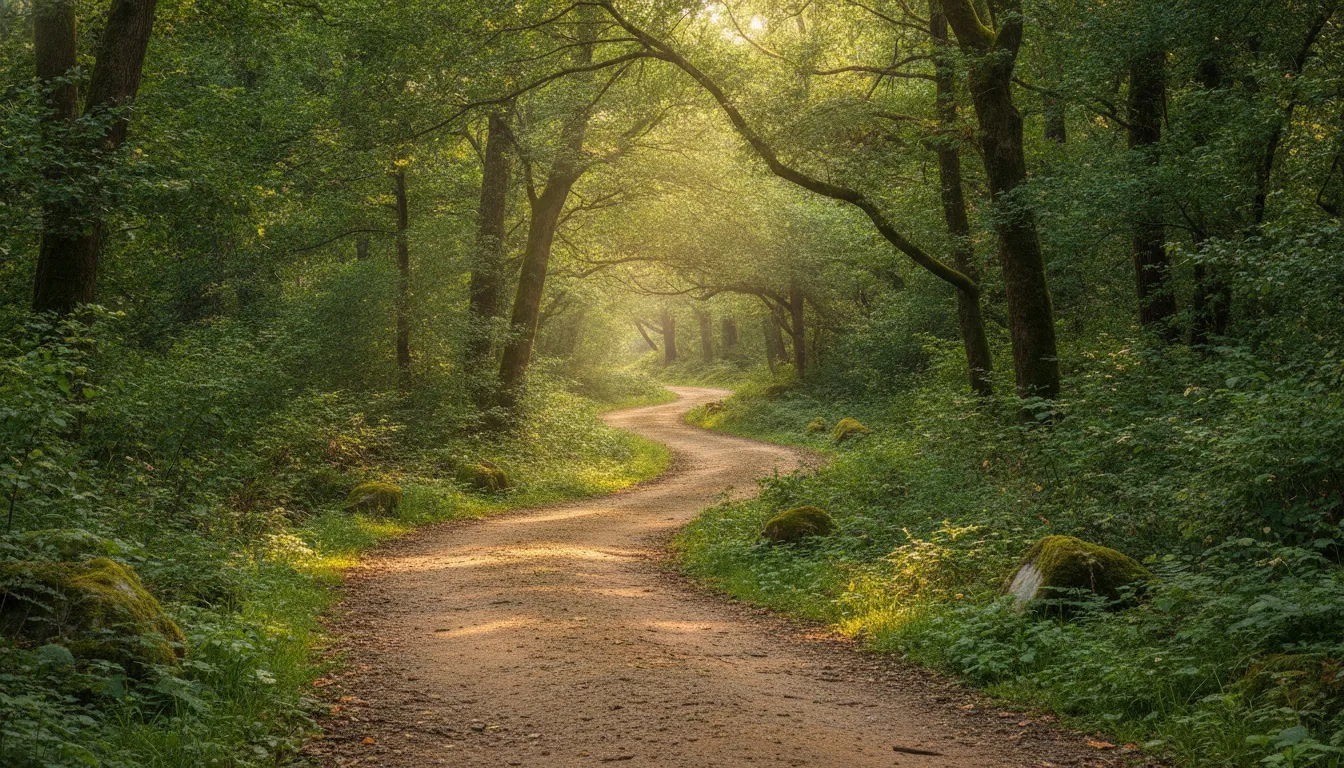
Nobody becomes completely sustainable overnight, and that’s okay. What matters is the direction: every small conscious choice, multiplied by millions of people, generates real transformation. You don’t need to do everything at once — choose one or two changes from this list, incorporate them into your routine, and when you feel comfortable, add more.
Sustainability in everyday life is not a sacrifice. It’s actually a way of living with more intention, more connection with the world around you, and often with more savings in your pocket. The planet needs people who act — and you’re already taking the first step by seeking information.
Start today. Start with what you have. And share this journey with those you love.
