Living in an apartment has always been seen as an obstacle for those wanting to adopt solar energy. After all, the roof isn’t yours, the space is shared, and decisions depend on an entire condominium. But this reality has changed — significantly. Today, in 2026, solar energy for apartments has gone from being a distant dream to becoming a concrete, regulated, and increasingly accessible option for millions of Brazilians.
Brazil is one of the countries with the highest solar incidence in the world. According to ANEEL (National Electric Energy Agency), distributed generation — a model that allows producing energy at or near the point of consumption — has grown significantly over the past decade, driven by important regulatory milestones. Law No. 14,300/2022, which established the Legal Framework for Distributed Micro and Mini Generation, was a watershed moment by guaranteeing legal certainty for consumers and condominiums wishing to invest in photovoltaic solar energy.
If you live in an apartment and have already dismissed the idea of using solar energy, this article was made for you. We’ll explore the real options currently available, the costs involved, how solar consortiums work in condominiums, and the step-by-step process to get started today.
How Solar Energy Works in Apartments
Unlike houses, where installing panels on the roof is relatively straightforward, apartments require a different approach. There are basically three viable paths for residents of vertical condominiums to take advantage of solar energy:
- Shared generation in the condominium: panels installed on the rooftop or common areas generate energy that is distributed among the units and the building’s common areas.
- Remote solar energy plants (subscription energy): you “subscribe” to a share of a solar farm located at another address, and the credits are deducted directly from your energy bill.
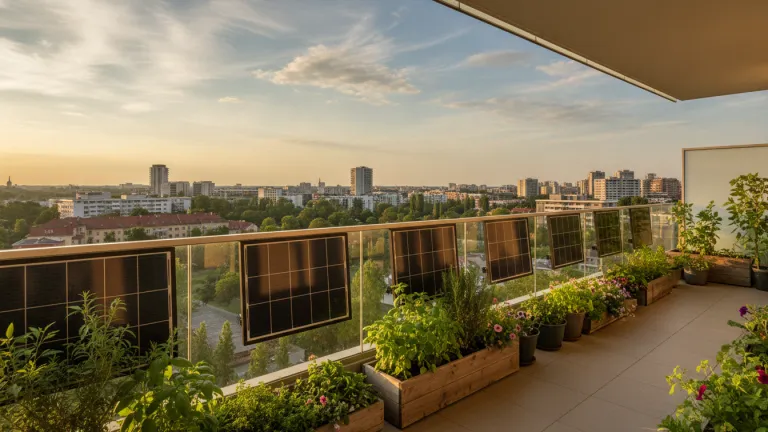
- Individual panels on balconies or verandas: a smaller-scale solution, suitable for reducing consumption of specific equipment, still with practical and condominium regulation limitations.
Each model has its advantages and requires a different level of collective engagement. The good news is that all are legally supported by the 2022 Legal Framework.
Shared Generation: How It Works in Condominiums
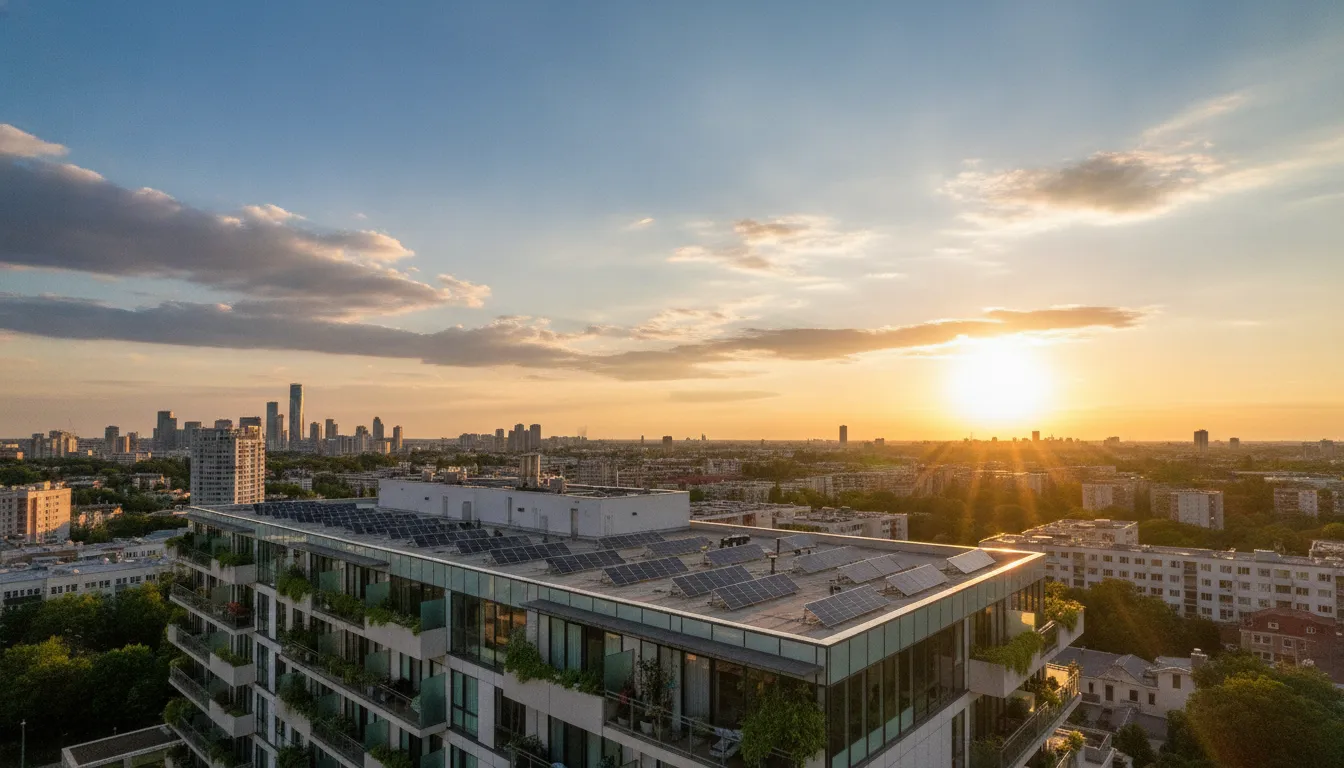
This is the most powerful modality for apartment residents. When the condominium installs photovoltaic panels in common areas — rooftop, covered parking, or facades — the generated energy can be used in two main ways:
- Deduction from common area bills (elevators, lighting, water pumps), reducing the expense allocation for all residents.
- Proportional distribution of credits among participating units, provided that individual meters are configured for this with the local utility company.
The system works through energy credits, a mechanism called energy compensation. Credits generated by the panels are applied to the energy bills of beneficiaries and are valid for 60 months, according to rules established by ANEEL.
Assembly Approval: The First Step
For the condominium to install solar panels, approval at a condominium assembly meeting is required. According to the Brazilian Civil Code (art. 1,341), luxury works — those for mere pleasure — require two-thirds of the condominium owners. However, works that generate proven financial savings tend to be classified more favorably. Consult the building manager and your condominium bylaws to understand the required quorum.
Subscription Solar Energy: The No-Construction Solution
For those who don’t want (or can’t) wait for the collective decision of the condominium, subscription energy is an immediate alternative without the need for any physical installation in the apartment.
In this model, specialized companies build and operate solar plants — usually in rural or peri-urban areas — and sell participation shares to urban consumers. The generated energy is injected into the electrical grid, and the corresponding credits are transferred to the subscriber’s electricity bill, resulting in a direct discount on the invoice.
Main characteristics of the model:
- No construction or installation required in the apartment
- Subscription contract with variable loyalty period (usually 12 to 60 months)
- Discounts on electricity bills that typically range between 10% and 20%, depending on the company and region
- Regulated by ANEEL under the remote self-consumption regime
Companies such as Solfácil, BePower, Casca, and others operate in this market in Brazil. It’s worth researching options available through your energy distributor, as technical compatibility depends on the regional utility company.
How Much Does It Cost to Install Solar Panels in a Condominium
The cost of a photovoltaic system for condominiums varies according to the building’s size, common area consumption, and desired installed capacity. Generally:
| System size | Estimated power | Investment range (2026) |
|---|---|---|
| Small condominium (up to 20 units) | 10 to 20 kWp | R$ 30,000 to R$ 60,000 |
| Medium condominium (20 to 100 units) | 20 to 60 kWp | R$ 60,000 to R$ 180,000 |
| Large condominium (over 100 units) | 60 kWp or more | Starting at R$ 180,000 |
Estimated values based on market references. Obtain quotes from INMETRO-certified companies.
The return on investment (payback) typically ranges between 4 and 7 years for well-sized systems, with panel lifespan exceeding 25 years. That means decades of savings after the initial amortization.
Additionally, starting in 2026, distributed generation systems with capacity up to 5 MW remain exempt from ICMS on compensated energy in several Brazilian states — a tax benefit that significantly improves the economic viability of projects.
Step by Step: How to Propose Solar Energy in Your Condominium
If you want to be the agent of change in your building, follow this practical roadmap:
- Gather the condominium’s electricity consumption data: ask the building manager for the last 12 energy bills from common areas. This data is essential for sizing the system.
- Request quotes from accredited companies: seek at least three quotes from installers certified by INMETRO and registered with ABSOLAR (Brazilian Solar Photovoltaic Energy Association).
- Prepare a feasibility study: with quotes in hand, calculate the payback and estimated monthly savings. Many companies offer this study for free.
- Present the proposal at an assembly meeting: prepare a clear presentation with numbers, payback, and environmental benefits. The more concrete and visual, the greater the acceptance.
- Decide on the financing method: the condominium can pay in cash (using the reserve fund, if permitted by the bylaws), finance through a bank, or opt for Energy as a Service (EaaS) models, where the company installs at no cost and the condominium pays monthly with part of the generated savings.
- Hire the installation and request connection to the utility: after installation, the responsible company files the connection request with the local utility. The process can take 30 to 90 days.
- Monitor the results: most modern inverters have real-time online monitoring. Share generation data with residents to maintain engagement.
Benefits Beyond Financial Savings
Adopting solar energy in an apartment goes beyond reducing the electricity bill. There are real impacts on the environment and collective quality of life:
- CO₂ emission reduction: solar generation avoids burning fossil fuels. According to the IPCC, photovoltaic solar energy has one of the lowest carbon footprints per kWh generated among all energy sources.
- Property value appreciation: market studies indicate that properties with renewable energy systems tend to be more valued in negotiations.
- Partial grid independence: in combination with batteries (still more expensive but declining in cost), it’s possible to have energy reserves for emergencies.
- Collective engagement: a solar energy project can be the starting point for other sustainable initiatives in the condominium, such as composting, selective collection, and water efficiency.
Speaking of actions that add up in daily life, also check out how small sustainable habits can transform your routine without major investments.
Real Challenges and How to Overcome Them
It would be dishonest not to mention the obstacles that still exist:
- Resident resistance: the main challenge is usually collective approval. Focus on savings numbers and the impact on condominium fees.
- Shading in urban buildings: buildings surrounded by other tall structures may have partially shaded rooftops. A good engineering project works around this problem with strategic panel positioning.
- Bureaucracy with utilities: connection approval time still varies greatly between utility companies. Experienced companies know the process and expedite documentation.
- Initial cost: for condominiums without adequate financial reserves, financing or the EaaS model are concrete alternatives.
Conclusion: The Sun Is Yours Too
Living in an apartment is no excuse to be left out of the solar revolution. Whether through a shared system on the building’s rooftop, by joining a remote plant, or by combining both strategies, there’s a path for every situation.
Brazil has plenty of sun — and legislation that supports those who want to take advantage of it. What’s often missing is taking the first step: gathering data, talking to the building manager, researching companies, and putting the proposal on the agenda for the next assembly meeting.
Every condominium that switches to solar energy represents less pressure on the electrical system, fewer emissions, and more money in the pockets of those who live there. That’s a collective victory — for the building, the city, and the planet.
Ready to get started? Talk to your building manager this week. And while waiting for the next assembly meeting, why not explore other ways to offset your carbon footprint with real actions in your daily life?
