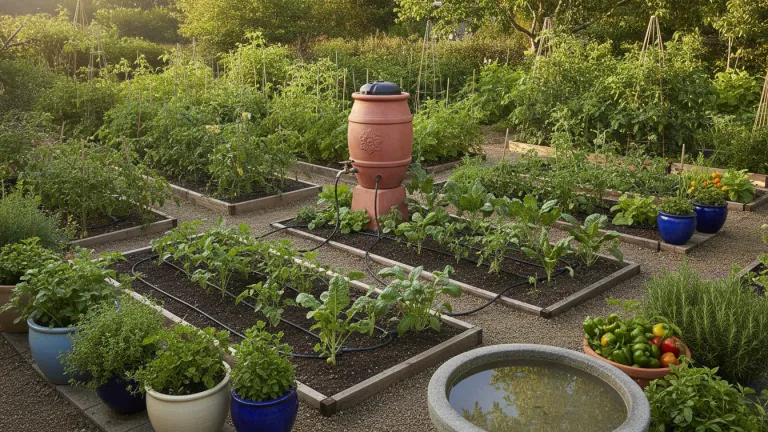
What Is Greywater Reuse and Why It Matters So Much Now
Water is one of the most precious resources on the planet — and also one of the most wasted inside our homes. While debates about water scarcity dominate headlines around the world, a practical, affordable, and surprisingly simple solution is within anyone’s reach: water reuse. You don’t need to be an environmental engineer or spend a fortune on equipment. With a few habit adjustments and small installations, you can reuse a significant amount of water that has already passed through your home before going straight down the drain.
Brazil is a paradoxical country when it comes to water. Despite holding about 12% of the world’s surface freshwater, it faces serious problems with distribution, waste, and quality. Regions like the Northeast have dealt with scarcity for decades, while major cities like São Paulo and Brasília have already faced severe water crises. According to data from the National Water and Sanitation Agency (ANA), water losses in distribution networks in Brazil remain alarming, and household consumption represents a significant portion of total treated water use in the country.
In this scenario, domestic water reuse moves from being a technical concept to a concrete act of responsibility. And best of all: anyone can start today with what they already have at home. This article explains what greywater reuse is, what types exist, what is safe to do at home, and how to take the first steps.
What Is Greywater Reuse: Understanding the Concept
Reused water is any water that has already been used in some domestic, industrial, or urban activity and that, after appropriate treatment — or without any treatment, depending on the application — is used again for a different or the same purpose as the original.
In the domestic context, we usually divide wastewater into two main groups:
- Greywater: water from sinks, showers, bathtubs, and washing machines. It is considered low risk because it does not contain fecal matter.
- Blackwater: water from toilets. It contains pathogens and requires specialized treatment before any reuse, which is generally beyond the scope of a typical residential installation.
For safe and practical domestic reuse, the focus is on greywater, which represents a considerable portion of the total sewage volume generated by a residence.
There is also rainwater harvesting, which technically is not reuse, but is often mentioned in the same context because it shares the same logic: using alternative water resources to reduce treated water consumption.
What Is Greywater Used for at Home: Safe and Permitted Uses
Not all reused water is suitable for everything — and this is important to understand from the start. The most appropriate destination depends directly on the water’s origin and the level of contamination present.
Recommended uses for greywater without advanced treatment:
- Toilet flushing
- Garden and vegetable garden irrigation (with specific precautions — see below)
- Washing sidewalks, patios, and vehicles
- Cleaning drains and outdoor areas
Uses that require caution or prior treatment:
- Irrigation of leafy vegetables consumed raw (risk of microbiological contamination)
- Laundry washing
- Any direct human contact
Prohibited uses for greywater:
- Human consumption (drinking, cooking)
- Personal hygiene (bathing, brushing teeth)
- Food preparation
The logic is simple: the lower the risk of direct human contact, the more suitable the use of greywater without complex treatment.
How to Collect and Use Water from the Shower and Sink at Home
This is the most accessible entry point for anyone who wants to get started. Shower water, especially that wasted while waiting for it to heat up, is clean enough for several immediate applications.
Step-by-step guide to start with minimal effort:
- Place a bucket in the shower while waiting for the water to heat up. In many homes, 5 to 10 liters are wasted before stepping in.
- Store this water in a container with a lid to prevent mosquito breeding.
- Use the collected water to flush the toilet, water plants, or wash the yard the same day or the next.
- For the kitchen sink, place a container under the drainer to catch rinse water from fruits and vegetables (this water is practically clean and can go directly to plants).
- For the washing machine, some people redirect the discharge hose to an external barrel. Check if your machine model allows this safely.
> Important: Greywater containing soap, detergent, or fabric softener should not be used on sensitive plants or vegetable gardens with leafy greens. Prefer watering trees, shrubs, and lawns.
Greywater Reuse Systems: From Simple to More Elaborate
If you want to go beyond the bucket in the bathroom, there are progressive collection and reuse systems that can be installed in apartments and houses.
Simple Greywater Diversion Systems
The most basic involves a diversion at the shower or sink drain outlet, connected to an external reservoir. Ready-made kits for this purpose are already available at hardware stores and e-commerce sites in Brazil at accessible prices.
Filtration and Reuse Systems for Toilet Flushing
There are residential systems that capture shower water, pass it through a simple sediment filter, and automatically divert it to the toilet tank. These systems measurably reduce the consumption of treated water used only to flush the toilet — which is, according to ANA, one of the largest water uses inside the home.
Systems with Treatment for Expanded Reuse
For those with more space and investment available, systems with biological filters, UV, or chlorination allow treating greywater to a level that enables broader uses, including vegetable garden irrigation. These systems are more common in condominiums and larger buildings but adapted versions for residences already exist.
| System type | Approximate cost | Maintenance level | Possible uses |
|---|---|---|---|
| Bucket/manual collection | Almost zero | Very low | Flushing, garden, cleaning |
| Simple diversion kit | Low to medium | Low | Flushing, shrub irrigation |
| System with sediment filter | Medium | Medium | Flushing, general cleaning |
| System with UV/biological treatment | High | High | Broad irrigation, various cleaning |
Greywater in the Garden: What You Can and Cannot Do
For those who have a vegetable garden in an apartment or backyard, water reuse can be especially valuable — but requires extra attention.
What is safe:
- Watering with rinse water from fruits and vegetables (without soap)
- Using rainwater collected in gutters and cisterns
- Irrigating the soil of fruit plants and shrubs with greywater without harsh soap
What requires caution:
- Never use water with detergent, soap, or fabric softener directly on the roots of edible vegetables
- Avoid wetting the leaves of vegetables with greywater — prefer soil irrigation, away from the parts that will be consumed
- Leafy vegetables consumed raw (lettuce, arugula, spinach) require clean or treated water for irrigation
Irrigation with properly reused water does not compromise food quality when done with care. The secret is knowing the water’s origin and respecting the limitations of each type.
Practical Tips to Start Reusing Water Today
You don’t need to renovate your home to make a difference. Here’s a list of actions that can be adopted immediately:
- Bucket in the shower: start today, at no cost
- Reuse water from cooking vegetables and pasta (without salt) to water plants — it still contains nutrients
- Save air conditioning water: the condensate generated by air conditioning units is practically distilled water, great for steam irons and irrigation
- Reuse aquarium water when changing it — rich in nitrogen, it’s an excellent liquid fertilizer for plants
- Install a flow reducer on showers and faucets to generate less “unnecessary” greywater and consume less at the same time
- Talk to your building manager about the feasibility of a collective reuse system — shared investment is much more viable
These small sustainable habits may seem modest individually, but the cumulative effect — especially in buildings with dozens of apartments — is significant.
Legislation and Safety: What You Need to Know
Water reuse in Brazil is regulated at the federal level by CONAMA Resolution No. 54/2005 and complementary ANA standards, in addition to state and municipal legislation that varies considerably. NBR 13969 from ABNT also establishes technical parameters for greywater treatment and reuse systems in buildings.
In general terms, domestic reuse of greywater for non-potable purposes — such as flushing and irrigation of non-food areas — is permitted and encouraged. The important things are:
- Do not connect the reuse network to the potable water network (risk of cross-contamination)
- Visually identify reuse pipes (usually purple, as in industrial reuse systems)
- Do not use reused water for potable purposes under any circumstances
If you live in a condominium, it’s worth checking local regulations and talking to the building manager before installing any system that interferes with the collective plumbing.
Conclusion: Your Home Can Be Part of the Solution

Water reuse at home is neither a utopia nor a difficult obligation to fulfill. In practice, it is a sum of smart choices that benefit your water bill, the environment, and the resilience of the water system as a whole. Starting with a bucket in the bathroom is not too little — it is exactly the type of concrete action that, multiplied by thousands of homes, generates real impact.
In 2026, with greater access to information, affordable products, and a growing sense of environmental urgency, there is no better time to take this step. You don’t have to do everything at once. Choose one or two actions from this list and put them into practice this week.
The water you save today is the same water that will be scarce tomorrow — if nothing changes. But with small changes, much can be preserved.
