Why Proper Battery and Electronics Disposal Is More Urgent Than You Think
Have you ever wondered where that old battery forgotten in your drawer ends up, or that old phone that stopped working? Most people simply throw these items in regular trash — and this seemingly small action has much greater consequences than it appears. Batteries and electronic equipment contain substances like lead, mercury, cadmium, and lithium, which, when disposed of in regular landfills, can contaminate soil and groundwater for decades.
Brazil is one of the largest generators of electronic waste in Latin America. According to data from the Global E-waste Monitor, a document published by the UN, the world generated more than 62 million tons of electronic waste in 2022 — and the growth trend continues in subsequent years. In Brazil, a significant portion of this volume does not receive proper disposal, which represents both a serious environmental problem and a waste of valuable materials that could be recovered and reused.
The good news is that practical, accessible solutions are already available in many Brazilian cities. In this guide, you will understand exactly what these residues are, why they are dangerous, what the law says, and — most importantly — what you can do today to dispose of batteries and electronics responsibly.
What Are Electronic Waste and Why Are They Dangerous
Electronic waste, known internationally as e-waste, encompasses any equipment that depends on electricity or batteries to function and has reached the end of its useful life. This includes everything from cell phones and computers to appliances, televisions, printers, electronic toys, and of course, batteries of all sizes.
Toxic Substances Found in Batteries and Electronics
The danger of these materials lies in the chemical composition of their components:
- Mercury — present in some button batteries and fluorescent lamps; affects the central nervous system and can accumulate in the food chain
- Lead — found in automotive batteries and electronic solder; causes neurological damage, especially in children
- Cadmium — present in nickel-cadmium (NiCd) rechargeable batteries; is carcinogenic and accumulates in the kidneys
- Lithium — central component of cell phone and laptop batteries; when improperly disposed of, can cause fires and release toxic compounds
- Arsenic, barium, and beryllium — found in various electronic components, all with high toxicity potential
When these materials reach a regular landfill, partial decomposition of the casings releases these substances into the soil. From there, they can reach groundwater and contaminate water sources. The process is slow — and that’s exactly why it’s so dangerous: it can take years before contamination is detected.
What Brazilian Law Says About Electronics Disposal
Brazil has specific legislation on the subject. The National Solid Waste Policy (PNRS), established by Law No. 12,305/2010, establishes shared responsibility for the product life cycle — which means that manufacturers, importers, distributors, retailers, and consumers have legal obligations in the disposal process.
Reverse Logistics in Practice
One of the central instruments of PNRS is reverse logistics, which requires manufacturers and retailers to collect products after consumer use and ensure their proper disposal. In the case of batteries, CONAMA Resolution No. 401/2008 (and its subsequent updates) already established limits for toxic substances and collection obligations.
In practice, this means that stores that sell batteries and electronics are legally required to take them back when they reach the end of their useful life. This point is fundamental: you have the right — and the manufacturer has the obligation — to ensure the correct disposal of these products.
In 2020, Decree No. 10,240 regulated the reverse logistics of household electronics more comprehensively, establishing progressive collection targets for the sector. Implementation still faces challenges, but the legal framework exists and should be known by consumers.
Types of Batteries: Important Differences for Disposal
Not all batteries are the same — and understanding the differences helps make the right decision when disposing.
| Type | Usage Examples | Main Composition | Special Care |
|---|---|---|---|
| Alkaline batteries | Remote controls, flashlights | Manganese and zinc | Do not puncture or incinerate |
| Button batteries | Watches, hearing aids | Mercury or lithium | High toxicity; mandatory disposal at specific point |
| NiMH batteries | Rechargeable electronics | Nickel and metal hydride | Recyclable; avoid common disposal |
| Lithium batteries (Li-ion) | Cell phones, notebooks | Lithium, cobalt | Fire risk; never throw in trash |
| Automotive batteries (Pb) | Cars, motorcycles | Lead and sulfuric acid | Highly toxic; mandatory return to manufacturer |
How to Properly Dispose of Batteries: Step by Step
The process is simpler than it seems. Here’s how to do it:
- Store used batteries in a dry, safe place — use a separate box or bag. Avoid leaving them loose with metal objects, as this can cause a short circuit.
- Never puncture, crush, or heat batteries — especially lithium ones, which pose a real fire risk when damaged.
- Identify a collection point near you — most large supermarket chains, pharmacies, electronics stores, and stationery shops have collectors. Also check with city halls and recycling cooperatives in your city.
- Use the manufacturer’s platform when available — companies like Samsung, LG, and Apple maintain their own battery and electronics return programs.
- For automotive batteries, always return to the store where you bought the new one — the exchange usually includes returning the used one, which is legally required.
How to Properly Dispose of Electronics: Step by Step
Disposing of an old cell phone or a computer that stopped working requires a little more attention — including regarding your privacy.
- Back up your data — save photos, contacts, and important documents before anything else.
- Perform a factory reset on the device — delete all personal data from the device. On your phone, go to Settings > System > Reset. On your computer, reinstall the operating system or use secure data wiping tools.
- Evaluate if the equipment can still be reused — cell phones and computers with simple defects can often be repaired or donated to NGOs, schools, or digital inclusion programs. Giving the product a second life is always the best option.
- Look for the brand’s reverse logistics program — manufacturers like Dell, Positivo, Multilaser, and others maintain return programs. Check the brand’s official website.
- Take the equipment to an electronics collection point — city halls in various capitals and medium-sized cities offer periodic collections. Accredited recycling cooperatives also accept electronics.
- Never burn or disassemble electronics on your own — burning releases toxic gases, and informal disassembly without proper equipment exposes you to dangerous substances.
Where to Find Collection Points in Brazil
Finding a nearby collection point has become easier in recent years. Here are the main options:
- Electronics stores and phone carriers — large chains like Magazine Luiza, Americanas, Casas Bahia, and carriers like Claro and Vivo usually have collectors in physical stores.
- Supermarkets and pharmacies — chains like Carrefour, Pão de Açúcar, and Drogasil maintain battery collection points in many locations.
- City halls — check your city hall’s website or the local environmental department. Many cities have eco-points or periodic collection campaigns.
- “Descarte Certo” Program — an initiative by the electronics manufacturers’ sector, with collection points in various regions of the country.
- Recycling cooperatives — in addition to ensuring proper disposal, they generate income for recycling workers. Look for cooperatives associated with the National Movement of Collectors (MNCR).
- Apps and online platforms — tools like Cataki (developed by MNCR) allow you to locate collectors and collection points by geolocation.
If you own a small business, it’s worth consulting ESG in Companies: What It Means in Practice to understand how to structure an internal responsible disposal program — this also positively impacts the business’s reputation.
Practical Tips to Reduce Electronic Waste Generation
Disposing well is essential, but generating less waste is even better. Some actions that make a difference:
- Prefer to repair before replacing — repairs of cell phones, notebooks, and small appliances are cheaper than they seem and prevent waste generation
- Choose products with longer lifespans — research brands with good reputation for durability and availability of replacement parts
- Opt for rechargeable batteries — NiMH rechargeable batteries can be used hundreds of times, drastically reducing the amount of waste generated
- Buy refurbished electronics — the refurbished device market is growing in Brazil and offers functional products with lower environmental impact and more accessible prices
- Donate functional equipment you no longer use — phones sitting in drawers can be transformed into educational access tools for those in need
- Participate in exchange and reuse groups — local communities and online platforms facilitate the circulation of used electronics in good condition
Taking care of conscious consumption is part of a larger set of sustainable habits. If you’re building a more responsible lifestyle, you might also be interested in Is Solar Energy Worth It? Real Pros and Cons, another important step to reduce the environmental impact of daily life.
Start Today: Small Actions, Big Results
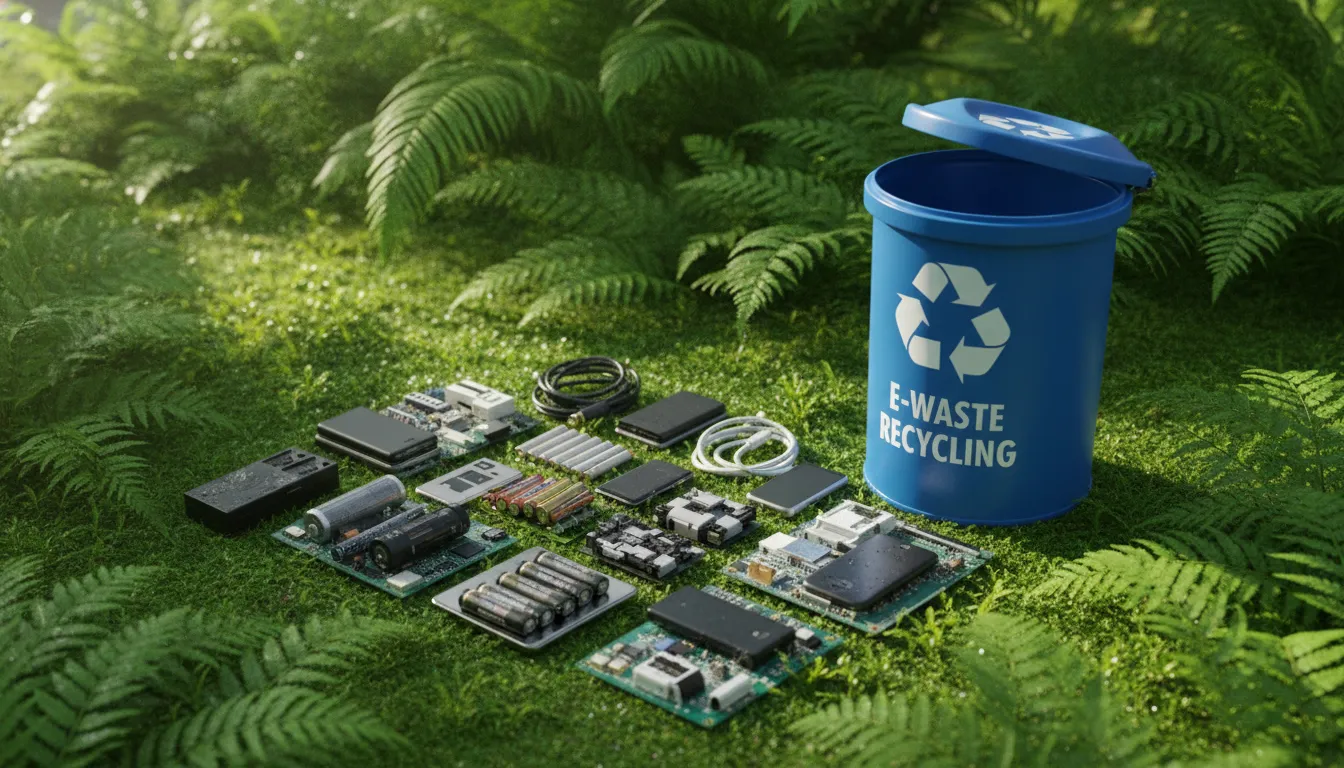
Proper disposal of batteries and electronics doesn’t require great sacrifices — it mainly requires information and a small habit adjustment. Place a separate container in your home to store used batteries. Next time you change phones, research the brand’s return program before storing the device in a drawer. Share this guide with someone who still disposes of these items in regular trash.
Every battery that goes to the right collection point, every electronic that is recycled or donated, represents materials that won’t contaminate the soil, toxic substances that won’t reach the water we drink, and natural resources that can be recovered. The impact of a single person may seem small — but when multiplied by millions of conscious Brazilians, it becomes transformative.
Change starts with an open drawer, an old battery in hand, and the decision to do things differently this time.
