Wind Energy: Understanding Its Function and Importance
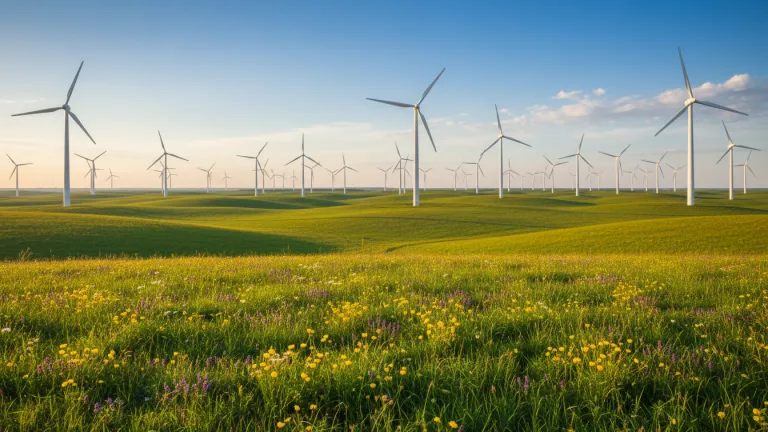
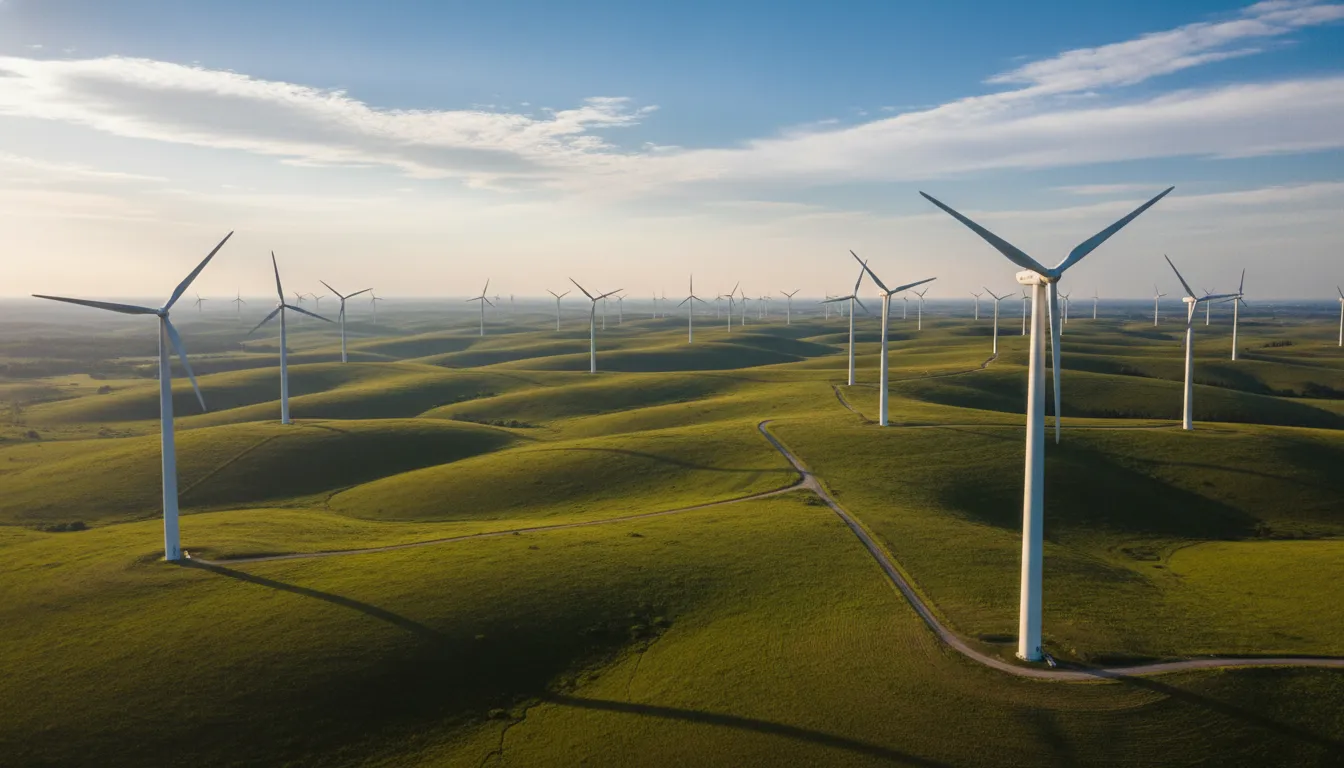
Imagine looking out the window to see a row of giant turbines gently spinning on the horizon, transforming invisible wind into clean electricity for thousands of homes. It might seem like a scene from a distant future, but this reality is already present in various regions of Brazil and around the world—and it’s growing rapidly. Wind energy is now one of the most competitive and sustainable sources of electricity generation available, and understanding how it works is the first step to supporting—and benefiting from—this energy revolution.
Wind has always existed. For centuries, it moved mills, propelled ships, and irrigated fields. But it was only in recent decades that humanity learned to convert this natural force into large volumes of electricity, with increasing efficiency and decreasing costs. Today, wind energy accounts for a significant portion of the electricity grid in countries like Denmark, Germany, the United States, and especially Brazil—which has become one of the world’s leading references in this sector.
In this article, you will understand what wind energy is, how turbines transform wind into light, the advantages and limitations of this technology, and what you can do, as a citizen and consumer, to support and connect with this clean energy source.
What Is Wind Energy and Why It Matters
Wind energy is electricity generated from the kinetic force of the wind. When the wind blows, it carries energy—a result of the uneven heating of the Earth’s surface by the sun. This temperature difference creates atmospheric pressure gradients, which move the air masses we call wind. Wind turbines capture this movement and convert it into electrical energy.
From an environmental perspective, the relevance of wind energy is enormous. Unlike coal or gas-fired power plants, wind turbines do not emit carbon dioxide during electricity generation. This makes it a direct ally in reducing greenhouse gas emissions—the main factor behind the climate changes documented by the Intergovernmental Panel on Climate Change (IPCC).
Moreover, wind is a renewable and inexhaustible resource: as long as the sun continues to heat the Earth unevenly, there will be wind. This gives wind energy a huge strategic advantage over fossil fuels, which are finite and increasingly expensive to extract.
How a Wind Turbine Works: From Wind to Outlet
The basic principle of energy conversion
The operation of a wind turbine follows a simple physical principle: the wind pushes the blades (propellers), which rotate around a central axis. This axis is connected to an electric generator, which converts the rotational movement into electrical current. The process is analogous to a bicycle with a dynamo—only on a much larger scale.
The blades are aerodynamically designed, similar to airplane wings. When the wind hits them, a pressure difference is created between the two sides of the blade, generating lift and rotation—not just “push.” This design significantly increases the turbine’s efficiency.
The main components of a modern turbine
Blades (rotor): usually three, with lengths exceeding 80 meters on larger turbines
Nacelle: the “box” at the top of the tower, housing the generator, gearbox, and control systems
Tower: steel or concrete structure that elevates the rotor to heights where the wind is stronger and more stable
Yaw system: rotates the nacelle so the blades always face the wind
Transformer: increases the voltage of the generated electricity for transmission on the power grid
From the generator to your home: the journey of wind electricity
The electricity generated in the turbine travels through underground cables to a substation, where it is transformed to high voltage and injected into the transmission grid. From there, it travels through transmission lines, passes through distribution substations, and finally reaches homes and businesses. It is the same grid that distributes energy from any other source—hydroelectric, solar, or thermal.
Types of Wind Energy: Onshore and Offshore
Onshore wind farms
Onshore farms are installed in land areas with good wind regimes—mountains, plateaus, coastal zones, and open rural areas. They are the most common in the world and in Brazil. They require less installation and maintenance technology, making them cheaper. Brazil has some of the best natural conditions in the world for onshore generation, especially in the Northeast, where trade winds blow consistently for much of the year.
Offshore wind farms
Offshore turbines are installed on platforms in the ocean, usually a few kilometers from the coast. The wind at sea tends to be stronger, more constant, and less turbulent than on land, increasing energy production. On the other hand, installation and maintenance are considerably more complex and expensive. Europe and China lead this segment, and Brazil has started moving offshore projects in recent years, with particularly relevant potential off the Northeast and South coasts.
Brazil and Wind Energy: A Global Leader
Brazil holds a prominent position in global wind generation. According to data from the National Electric Energy Agency (ANEEL), the installed wind generation capacity in the country has grown consistently over the last decade, making wind energy one of the main sources in the national electricity grid.
The Northeast concentrates most of Brazil’s wind farms, with states like Rio Grande do Norte, Ceará, Bahia, and Piauí leading in installed capacity. The region’s climatic conditions are exceptional: constant trade winds, low turbulence, and good average annual speed make the Northeast one of the best places in the world for onshore wind generation.
Besides large-scale generation, wind energy also has a significant socioeconomic impact in the country:
Generation of local jobs, especially in rural municipalities in the Northeast
Payment of land leases to landowners where turbines are installed
Increased tax revenue in municipalities that previously had little economic activity
Development of a supply chain and national manufacturers of components
Advantages and Limitations of Wind Energy
Why wind energy is a good choice
Zero emissions during operation: does not release CO₂, methane, or other pollutants when generating electricity
Renewable and inexhaustible: wind does not deplete like oil or coal
Low water use: unlike thermal power plants and some hydroelectric plants, wind turbines use almost no water
Compatible with agricultural use: the space between turbines can continue to be used for grazing and agriculture
Competitive generation cost: in recent decades, the cost of wind energy has dropped drastically, making it one of the cheapest sources in many regions
Limitations that need to be considered
Intermittency: the wind doesn’t blow all the time; this requires supplementation by other sources or energy storage systems
Landscape impact: large turbines are visible and can alter the landscape—a relevant issue in areas of scenic value
Impact on wildlife: mainly birds and bats can be affected by collisions with the blades; careful planning and monitoring are essential
Noise: turbines near inhabited areas can generate noise, requiring regulated minimum distances
Need for areas with good wind: not every place has suitable wind potential
Wind Energy and Biodiversity: Possible Coexistence
One of the most important debates about wind expansion concerns its impact on biodiversity. Rigorous environmental studies are required before the installation of any park in Brazil, and environmental licensing involves the assessment of fauna, flora, and water resources.
The impact on birds and bats is real and must be taken seriously. Therefore, good practices include:
Mapping migratory routes before installation
Continuous monitoring during operation
Adopting detection systems and temporary turbine shutdowns during peak bat activity
Careful selection of areas that avoid overlap with critical habitats or conservation units
You don’t need to be an engineer or investor to be part of this energy transition. There are practical and accessible actions anyone can take:
Research the energy source in your state: check the ANEEL website or your local distributor to understand which sources make up your region’s electricity grid.
Consider clean energy contracts: some distributors and marketers offer the option to contract energy from renewable sources, such as wind.
Support public policies favorable to renewables: participate in public consultations, vote for candidates committed to the energy transition, and sign relevant petitions.
Reduce your energy consumption: less total demand means less pressure on the system—even if the source is clean, energy efficiency always matters. Check out practical tips in our guide on sustainable home.
Para fornecer as melhores experiências, usamos tecnologias como cookies para armazenar e/ou acessar informações do dispositivo. O consentimento para essas tecnologias nos permitirá processar dados como comportamento de navegação ou IDs exclusivos neste site. Não consentir ou retirar o consentimento pode afetar negativamente certos recursos e funções.
Funcional
Always active
O armazenamento ou acesso técnico é estritamente necessário para a finalidade legítima de permitir a utilização de um serviço específico explicitamente solicitado pelo assinante ou utilizador, ou com a finalidade exclusiva de efetuar a transmissão de uma comunicação através de uma rede de comunicações eletrónicas.
Preferências
O armazenamento ou acesso técnico é necessário para o propósito legítimo de armazenar preferências que não são solicitadas pelo assinante ou usuário.
Estatísticas
O armazenamento ou acesso técnico que é usado exclusivamente para fins estatísticos.O armazenamento técnico ou acesso que é usado exclusivamente para fins estatísticos anônimos. Sem uma intimação, conformidade voluntária por parte de seu provedor de serviços de Internet ou registros adicionais de terceiros, as informações armazenadas ou recuperadas apenas para esse fim geralmente não podem ser usadas para identificá-lo.
Marketing
O armazenamento ou acesso técnico é necessário para criar perfis de usuário para enviar publicidade ou para rastrear o usuário em um site ou em vários sites para fins de marketing semelhantes.