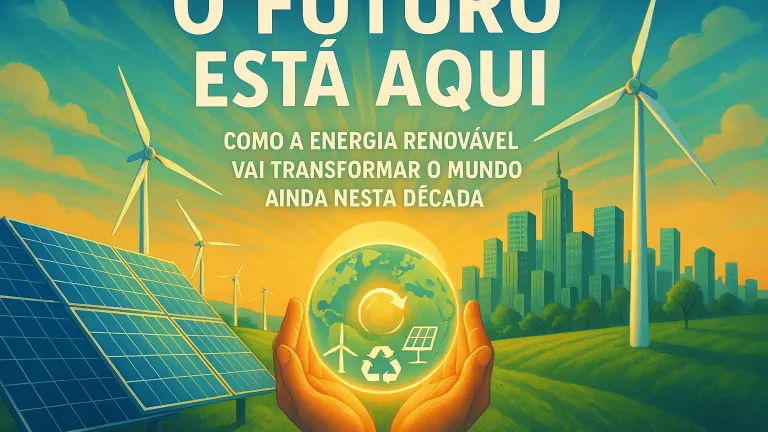
# The Future is Here: How Renewable Energy Will Transform the World This Decade
Introduction: The Energy Revolution That Has Already Begun
We are living in an unprecedented historical moment in human history. The energy transition is no longer a distant promise but a tangible reality reshaping economies, societies, and the very fabric of modern civilization. Renewable energy is no longer just a “green” alternative or a political choice – it has become the most economically viable, technologically advanced, and strategically intelligent option to power humanity’s future.
In this decade of the 2020s, we are witnessing an exponential acceleration in the adoption of clean energy technologies. What once seemed impossible – completely replacing the fossil fuels that powered the Industrial Revolution – is now not only possible but inevitable. According to the International Renewable Energy Agency (IRENA), renewables accounted for over 80% of all new global electricity generation capacity installed in 2022, a trend that is only expected to intensify.
This transformation goes far beyond simply replacing one energy source with another. We are talking about a fundamental restructuring of how we produce, distribute, and consume energy, with profound implications for the global economy, international geopolitics, the job market, and crucially, the fight against climate change. Understanding this revolution is essential for anyone who wants to understand the world we will live in in the coming years.
The Current State of Renewable Energy: Impressive Numbers
To understand the magnitude of the transformation underway, it is essential to examine the concrete data demonstrating the explosive growth of renewables. Solar photovoltaic energy, for example, has seen a cost reduction of over 90% in the last decade, becoming the cheapest form of electricity generation in much of the world, according to data from the International Energy Agency (IEA).
The installed capacity of renewable energy has surpassed 3,000 gigawatts globally, capable of supplying approximately 30% of the world’s electricity demand. China leads this revolution, having installed more solar capacity in 2022 than the United States has in its entire history. Europe, in turn, has set ambitious goals to become the first carbon-neutral continent by 2050, with massive investments in offshore wind and solar energy.
In Brazil, renewables already account for over 85% of the electricity matrix, one of the cleanest in the world. The expansion of distributed solar energy has been particularly notable, with millions of homes and businesses adopting solar panels. This democratization of energy generation represents a paradigm shift, allowing consumers to conserve resources and save money while contributing to a more sustainable future.
Global investments in renewable energy have exceeded $500 billion annually, surpassing investments in fossil fuels for the first time. This capital movement is not driven solely by environmental concerns but primarily by economic rationality: renewables have simply become the best business available.
Emerging Technologies: Innovation Accelerating the Transition
The speed of the energy transition is directly linked to technological advances that make renewables increasingly efficient, reliable, and affordable. The next generation of solar panels, based on perovskite cells, promises efficiencies above 30%, almost double that of conventional panels, while costing less to produce.
In the field of wind energy, the latest offshore turbines are engineering marvels, with rotors exceeding 200 meters in diameter and the capacity to generate 15 megawatts each – enough to power thousands of homes. Floating wind farms, which can be installed in deep waters, open immense possibilities for countries with extensive coastlines.
Energy storage, historically the Achilles’ heel of renewables, is undergoing its own revolution. Lithium-ion batteries have seen a 97% cost reduction since 1991, and new technologies like solid-state batteries, flow batteries, and green hydrogen storage promise to definitively solve the problem of solar and wind generation intermittency.
Green hydrogen, produced through water electrolysis using renewable electricity, emerges as a crucial solution for sectors difficult to electrify, such as aviation, shipping, and heavy industry. Several countries, including Brazil, are developing national hydrogen strategies, recognizing its transformative potential.
Artificial intelligence and the Internet of Things are optimizing entire power grids, enabling intelligent demand management, precise renewable generation forecasting, and efficient integration of millions of distributed energy sources. These “smart grids” are essential to maximizing the natural resources that shape humanity’s future.
Economic Impacts: The New Green Economy
The transition to renewable energy is not just an environmental issue – it is a profound economic transformation creating new industries, generating millions of jobs, and redistributing global economic power. The renewable energy sector already employs over 13 million people worldwide, surpassing employment in the fossil fuel industry in many countries.
“Green jobs” are not only numerous but also tend to be of better quality, with competitive salaries and professional development opportunities. Solar and wind installation technicians are among the fastest-growing professions in various economies. This massive job creation represents a unique opportunity for regions that traditionally depended on polluting industries.
The levelized cost of energy (LCOE) for renewables has dropped dramatically, making them competitive even without subsidies. In many regions, building new solar or wind farms is cheaper than continuing to operate existing coal plants. This economic reality is accelerating the closure of fossil fuel plants and the construction of renewable capacity.
The decentralization of energy generation is also democratizing access to electricity. In remote regions, especially in Africa and Asia, decentralized solar systems are bringing electricity to millions of people who have never had access to the power grid, driving economic development and improving quality of life.
Large corporations are setting ambitious 100% renewable energy use targets, driven by both investor and consumer pressure and direct economic advantages. Tech giants like Google, Apple, and Microsoft already operate on 100% renewable energy, and companies across all sectors are following suit.
Geopolitical Transformations: The New World Power Map
The energy transition is redefining global geopolitics in fundamental ways. Countries that have based their international influence on controlling oil and gas reserves are losing relevance, while nations that have heavily invested in renewable technologies and clean energy supply chains are gaining prominence.
Dependence on imported oil has historically been a strategic vulnerability for many nations, generating conflicts, tensions, and military interventions. The transition to renewable energy, which can be generated locally, promises greater energy independence and national security. This decentralization of energy power could be one of the most significant geopolitical developments of the 21st century.
China recognized this shift early and invested massively in becoming the global leader in clean energy technologies. Today, the country dominates the production of solar panels, wind turbines, batteries, and electric vehicles, strategically positioning itself in the economy of the future. Other countries are racing not to be left behind in this technological race.
Europe, dependent on Russian gas imports, dramatically accelerated its renewable transition after the invasion of Ukraine in 2022, recognizing that clean energy is also energy security. The crisis highlighted the risks of dependence on imported fossil fuels and galvanized investments in renewables.
Developing countries rich in renewable resources – abundant sun, strong winds, hydroelectric potential – have a unique opportunity to become exporters of clean energy, whether through electricity, green hydrogen, or other energy vectors. This could be a path to sustainable economic development.
Challenges and Obstacles: The Path is Not Simple
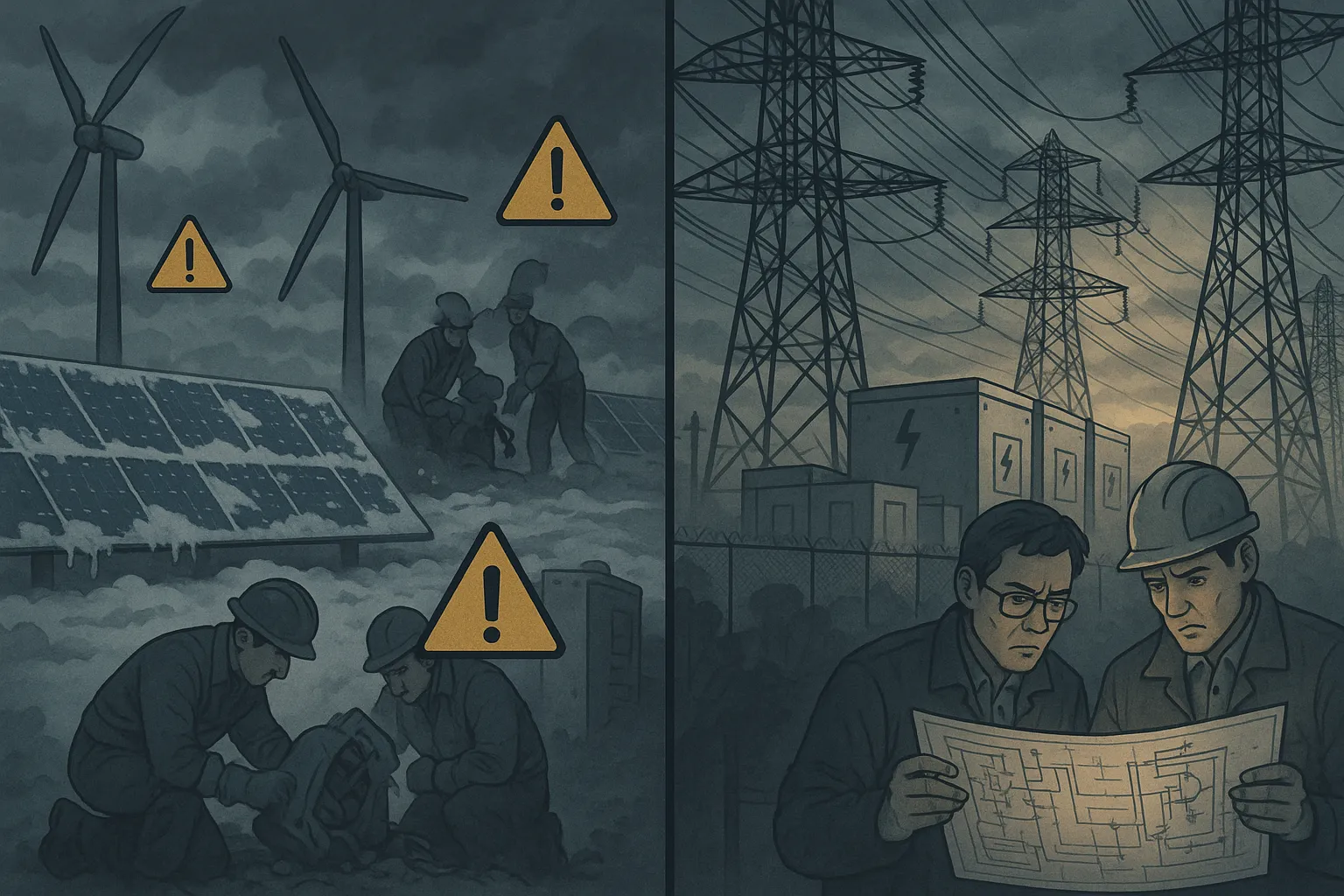
Despite the impressive progress, the transition to 100% renewable energy faces significant challenges that should not be underestimated. The intermittency of solar and wind generation still requires robust storage and grid management solutions, although technological advances are progressively addressing this issue.
The existing electrical infrastructure was designed for a centralized system of large power plants, not for millions of distributed generators. Modernizing power grids requires massive investments and complex coordination among multiple actors. Many countries face regulatory and bureaucratic bottlenecks that delay the connection of new renewable projects to the grid.
The mining of materials needed for clean technologies – lithium, cobalt, rare earths – presents its own environmental and social challenges. It is essential to develop ethical and sustainable supply chains, invest in recycling, and seek alternative technologies that rely less on problematic materials.
Established interests in the fossil fuel industry represent a considerable political and economic force, often working to delay or obstruct the energy transition. Overcoming this resistance requires willpower and innovative policies to ensure a sustainable and equitable energy future.
