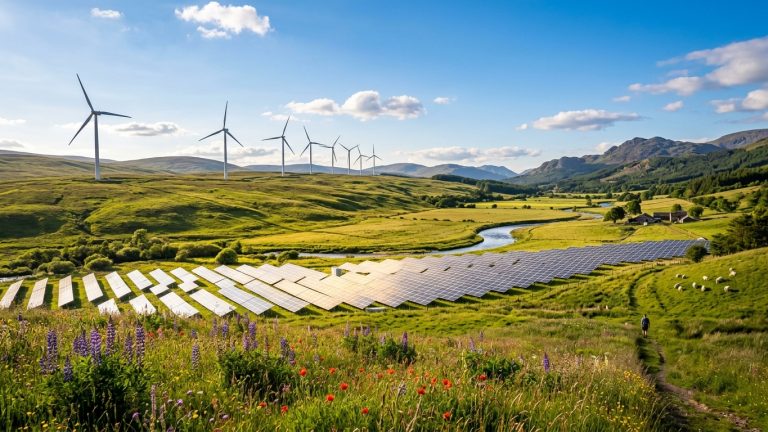
The way the world produces and consumes energy is undergoing one of the greatest transformations in history. In the face of climate change and the urgency to reduce greenhouse gas emissions, renewable energies have moved from a distant promise to play a central role in the global energy matrix. In 2025, for the first time in history, renewable sources accounted for more than 30% of global electricity generation, according to data from the International Energy Agency (IEA) — a milestone that would have been unthinkable just two decades ago.
In Brazil, this reality is even more impressive. The country has one of the cleanest electricity matrices among the major economies in the world, with renewable generation accounting for a majority share of the electricity produced, driven especially by hydropower, wind energy, and photovoltaic solar energy. But do you really know what types of renewable energy exist, how each one works, and what their real impacts are?
In this article, we will explore each of the main renewable energy sources in a clear and accessible way. Whether you are a student, a professional, or simply someone curious about how to contribute to a more sustainable future, understanding this diversity is the first step to making more conscious choices — in consumption, investments, and even voting.
What Are Renewable Energies and Why Do They Matter
Renewable energy is derived from sources that naturally regenerate on a human timescale — the sun rises every day, the wind keeps blowing, rivers keep flowing. Unlike fossil fuels, which took millions of years to form and are depleted with use, renewable sources offer an almost inexhaustible cycle.
Besides availability, the climate argument is decisive: the burning of coal, oil, and natural gas is the main driver of CO₂ emissions that fuel global warming. According to the IPCC (Intergovernmental Panel on Climate Change), to limit warming to 1.5 °C above pre-industrial levels, the decarbonization of the energy sector needs to be rapid and profound. Renewables are the most direct path for this transition.
It is important to note, however, that “renewable” does not automatically mean “without environmental impact.” Each source has its advantages, limitations, and specific challenges — and understanding them is essential for evaluating sustainability honestly.
Solar Energy: The Sun as an Unbeatable Ally
Solar energy is currently one of the fastest-growing sources in the world and in Brazil. It can be harnessed in two main ways:
Photovoltaic Solar
Photovoltaic panels convert sunlight directly into electricity through semiconductor cells, usually made of silicon. This technology can be installed on residential rooftops, businesses, large-scale plants, and even on water reservoirs (the so-called floating systems).
In Brazil, ANEEL (National Electric Energy Agency) has recorded significant growth in distributed solar generation in recent years, with millions of consumer units generating their own energy. The country has one of the highest solar irradiation indexes in the world, making this technology particularly advantageous across the national territory.
Solar Thermal
In this modality, the sun’s heat is used directly to heat water or fluids, commonly found in residential solar heaters. It is a mature, accessible technology with a relatively quick financial return for families and condominiums.
Advantages: low operational cost, decentralized generation, long equipment lifespan. Challenges: intermittency (no sun, no generation), need for storage systems or complementary sources.
Wind Energy: The Expanding Power of Wind
Wind energy converts the kinetic energy of wind into electricity through turbines. Brazil has established itself as one of the largest wind energy producers in the world, with a focus on the Northeast region, where winds are constant and of high quality throughout the year.
Onshore Wind (on land)
Wind farms installed on land are the most widespread modality in Brazil. States like Bahia, Rio Grande do Norte, and Ceará concentrate a large part of this installed capacity.
Offshore Wind (at sea)
Offshore wind, installed on ocean platforms, is still in the development phase in Brazil but has enormous potential, especially along the South and Southeast coasts. Worldwide, countries like the United Kingdom, Denmark, and China already operate extensive offshore parks.
Advantages: large-scale generation, low impact on land (land can be used for agriculture simultaneously), competitive cost. Challenges: visual and sound impact on nearby communities, risk to birds and bats, wind variability.
Hydroelectric Energy: The Most Traditional of Renewables
Hydroelectricity harnesses the flow and fall of water to move turbines and generate electricity. It is the oldest renewable source and still the most important in the Brazilian electricity matrix, accounting for a significant share of national generation.
Large Hydroelectric Plants
Projects like Itaipu (shared with Paraguay) and Belo Monte are examples of large-scale plants that provide energy to millions of Brazilians.
Small Hydroelectric Plants (SHPs)
SHPs have less environmental impact and are an interesting alternative for regions with smaller rivers, without the need for large reservoirs.
Advantages: controllable generation (unlike solar and wind), energy storage capacity, low operation cost after construction. Challenges: impact on aquatic ecosystems and riverine communities, vulnerability to prolonged drought periods — an increasing risk in the face of climate change.
Biomass and Biogas: Energy from Organic Matter
Bioenergy uses organic matter — agricultural, forestry, urban waste, or energy crops — to generate heat, electricity, or fuels. In Brazil, the most emblematic example is sugarcane ethanol, which positions the country as a global reference in biofuels.
Solid Biomass
Eucalyptus residues, sugarcane bagasse, and other materials can be burned to generate steam and electricity in biomass thermal power plants.
Biogas and Biomethane
Biogas is produced by the anaerobic decomposition of organic waste — urban waste, animal manure, industrial effluents. It can be used directly for energy generation or purified and transformed into biomethane, a substitute for natural gas. Embrapa has developed important research on the use of biogas in Brazilian rural properties.
Advantages: utilizes waste that would go to landfills, controllable generation, versatility of uses. Challenges: when poorly managed, biomass production can pressure native forests or compete with food crops for land.
Geothermal Energy: The Earth’s Interior Heat
Geothermal energy harnesses the heat stored in the Earth’s interior to generate electricity or for direct heating. In countries like Iceland, Kenya, and the Philippines, it is a fundamental source of the energy matrix.
In Brazil, geothermal potential is more limited compared to volcanically active regions, although there are studies on the use of low-enthalpy geothermal energy (using heat from shallow subsoil) for building climate control, especially in the South of the country.
Advantages: constant generation, independent of sun or wind, low carbon emissions. Challenges: high drilling cost, limited to specific geological regions.
Tidal and Wave Energy: The Ocean as an Energy Source
Ocean energy is still in the early stages of commercial development but represents enormous potential, especially for countries with extensive coastlines — like Brazil, with over 7,400 km of coast.
- Tidal Energy: harnesses the level difference between high and low tide to move turbines.
- Wave Energy: converts wave motion into electricity through various technologies still being tested.
- Ocean Thermal Energy Conversion (OTEC): exploits the temperature difference between the ocean’s surface and deep layers.
Although not yet widely commercialized, these technologies represent a promising frontier for the coming decades.
How You Can Connect with Renewable Energy Today
Understanding renewable energy sources doesn’t have to be just an intellectual exercise. There are practical actions anyone can adopt to be part of this energy transition:
- Install solar panels at home or your business: with distributed generation systems regulated by ANEEL, it’s possible to inject surplus into the grid and reduce your electricity bill.
- Subscribe to clean energy plans: some distributors and marketers already offer contracts with 100% certified renewable energy.
- Reduce overall energy consumption: the best energy is the one that doesn’t need to be generated. Energy efficiency and renewables go hand in hand.
- Inform yourself about your distributor’s energy mix: ANEEL provides public data on the origin of electricity in Brazil.
- Support public policies favorable to energy transition: participate in hearings, sign petitions, and vote for candidates with concrete climate proposals.
- Encourage your company or condominium to invest in renewable sources: often, collective scale makes the investment more viable and the return faster.
Talking about renewable energy is also directly connected to other everyday choices. If you want to understand how small daily decisions add up to a greater impact, it’s worth reading How Small Daily Actions Can Save the Planet: The Power of Ecology in Your Routine.
Conclusion: Diversity is Our Strength
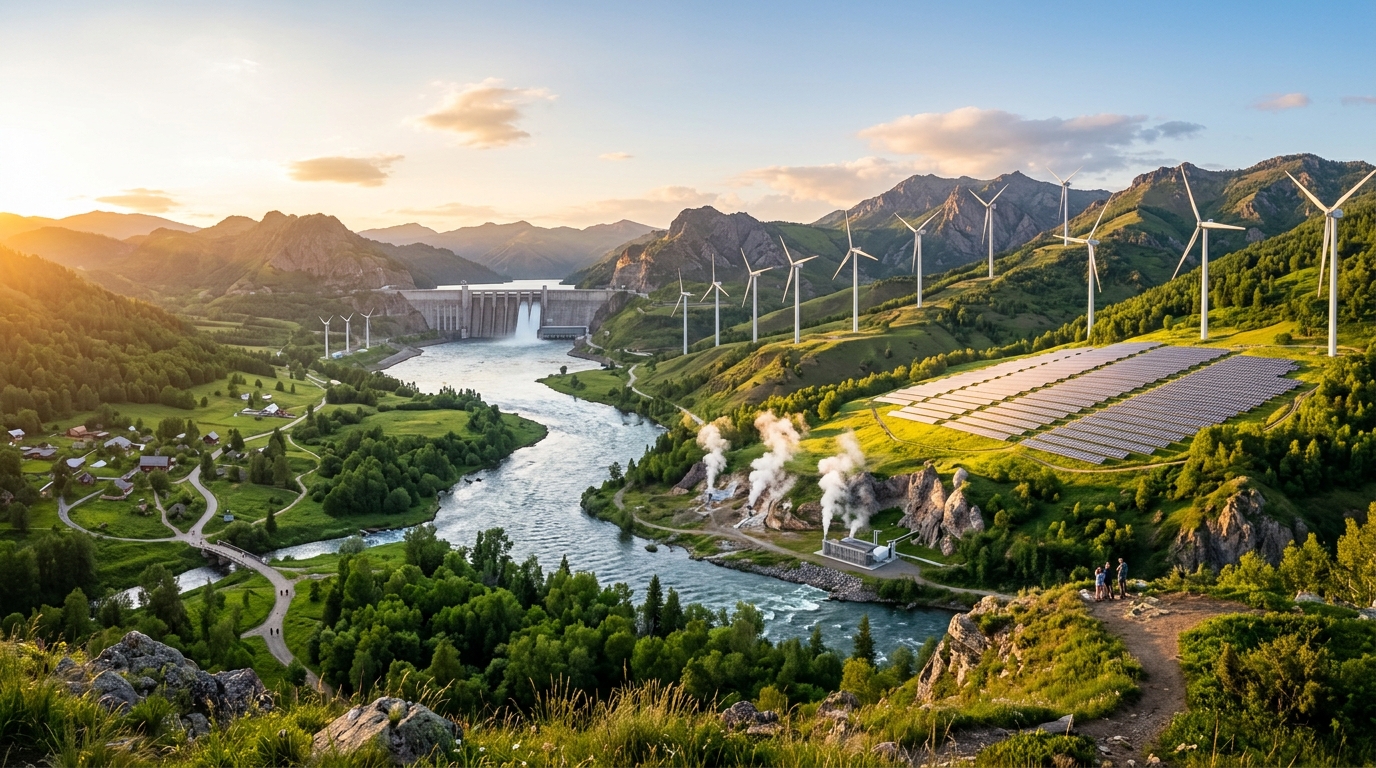
There is no single perfect renewable source for all contexts — and that is precisely our richness. The sun, wind, water, biomass, and Earth’s heat together offer a diversified, resilient energy matrix capable of powering the world cleanly and sustainably.
Brazil is in a privileged position in this transition: vast territory, abundance of renewable natural resources, and a decades-long tradition in hydropower and biofuels. The challenge now is to accelerate this diversification, ensure the benefits of clean energy reach all layers of the population, and that the expansion of renewables is done with socio-environmental responsibility.
Understanding the types of renewable energy is the first step. The next is to act — whether by installing a solar panel, choosing a green energy supplier, or simply talking to those around you about this topic. Each informed choice contributes to a cleaner and fairer future. And to further deepen your sustainable journey, check out our article on Carbon Neutrality: What It Means in Practice — because understanding the problem is the beginning of the solution.
- Subscribe to clean energy plans: some distributors and marketers already offer contracts with 100% certified renewable energy.
- Wave Energy: converts wave motion into electricity through various technologies still being tested.
