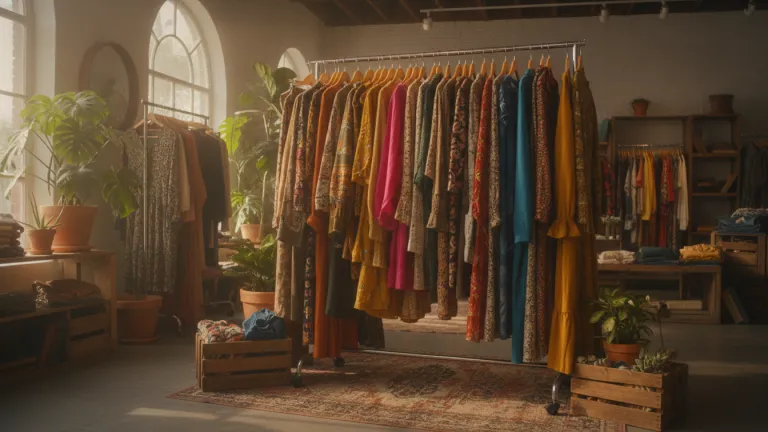
Imagine walking into a store, finding a unique piece of clothing, paying a third of the retail price, and leaving with a clear conscience knowing you’ve done something good for the planet. This isn’t a fantasy — it happens every day at thrift stores and secondhand platforms across Brazil and around the world. Buying used is no longer synonymous with necessity; it has become a conscious, economical, and increasingly stylish choice.
The fashion industry is one of the most polluting in the world. According to data from UN Environment, the textile sector accounts for approximately 10% of global carbon emissions — more than all international aviation and maritime shipping combined — and is the second-largest industrial consumer of water on the planet. Each pair of jeans produced from scratch can require thousands of liters of water in its manufacturing process. When you choose a secondhand item, that environmental cost has already been paid once, and you’re not adding new demand to the supply chain.
In this article, we’ll explore in detail why thrift shopping is absolutely worth it — for your wallet, for the planet, and even for your personal style identity. If you haven’t tried this world yet, by the time you finish reading, you’ll probably want to open a new tab and search for the nearest thrift store.
The Environmental Impact of Fashion and Why Thrift Shopping Changes the Game
To understand the real value of buying used, you need to see what’s behind a new garment. So-called fast fashion popularized new collections launched weekly at low prices, but with an extremely high embedded environmental cost.
The textile production process involves growing or synthesizing fibers, dyeing with chemicals, intercontinental transportation, plastic packaging, and often disposal in landfills or incineration at the end of the product’s life. UN Environment estimates that an enormous amount of clothing is discarded globally each year, much of it before it’s even worn.
When you buy an item at a thrift store, you:
- Avoid carbon emissions associated with producing a new item
- Extend the lifecycle of an existing product, reducing waste
- Decrease demand for new raw materials, whether conventional cotton (which uses pesticides on a large scale) or petroleum-derived synthetic fibers
- Reduce the volume of textile waste that would end up in landfills
It’s the logic of the circular economy applied to your wardrobe: keeping resources in use for as long as possible, extracting maximum value before disposal.
Real Savings: How Much You Can Save Buying Secondhand
Let’s talk about money, because this argument is powerful and absolutely concrete. At physical thrift stores and digital resale platforms, it’s common to find items with significant discounts compared to the original retail price — sometimes reaching 50%, 70%, or more, depending on the item and its condition.
Physical thrift stores vs. digital secondhand platforms
The clothing resale market has grown significantly in Brazil in recent years. Platforms like Enjoei, Repassa, and Troc have established the habit of buying and selling used clothes online, while neighborhood thrift stores and charity bazaars remain accessible options for those who prefer to see and touch before buying.
| Item type | Average new price (estimate) | Average used price (estimate) |
|---|---|---|
| Branded denim jacket | R$ 250 – R$ 400 | R$ 60 – R$ 130 |
| Formal dress | R$ 180 – R$ 350 | R$ 40 – R$ 100 |
| Athletic shoes (lightly used) | R$ 300 – R$ 600 | R$ 80 – R$ 200 |
| Books (fiction/technical) | R$ 50 – R$ 120 | R$ 10 – R$ 35 |
| Small appliance | R$ 150 – R$ 400 | R$ 50 – R$ 130 |
Values are market estimates for illustrative purposes and vary according to brand, region, and item condition.
The accumulated savings over a year of conscious shopping can be quite significant, especially for items like children’s clothing — which kids wear for only a few months before outgrowing — and books, which have a much longer use cycle than the time they stay in our hands.
Beyond Clothing: The Complete Universe of Secondhand Products
When people talk about thrift shopping, most immediately think of clothes. But the world of used products goes far beyond the wardrobe.
What’s worth buying secondhand
- Books and educational materials: almost always in excellent condition, with affordable prices at physical and digital used bookstores
- Furniture and décor: vintage pieces or simply well-preserved items that gain new life with cleaning or minor repairs
- Appliances and electronics: with attention to working condition and origin, they can represent excellent savings
- Toys and children’s clothing: short-use-cycle items, perfect for buying secondhand
- Musical instruments: guitars, acoustic guitars, and keyboards in good condition are found at specialized stores and online platforms
- Sports equipment: bicycles, surfboards, camping gear — occasionally used items that don’t need to be new
- Dishes, kitchen utensils, and household items: found at bazaars and antique fairs at very affordable prices
The general rule is simple: if the product doesn’t involve intimate hygiene or critical safety (like motorcycle helmets with proven accident use), it can probably be bought secondhand safely.
How to Shop Well at Thrift Stores: A Practical Step-by-Step Guide
Buying secondhand has a small learning curve, but some precautions make all the difference between a good experience and frustration.
- Define what you need before you go. Just like at the supermarket, entering a thrift store without an idea of what you’re looking for can result in impulse purchases. Make a mental or written list.
- Research the new price of the item beforehand. Knowing the market value of the new product helps you evaluate whether the asking price for the used one is really a good deal.
- Inspect the product carefully. For clothing, check seams, fabric, zippers, and any stains. For electronics, ask to turn on the device on the spot.
- On online platforms, read seller reviews. The seller’s reputation is the main trust indicator in secondhand marketplaces.
- Don’t be embarrassed to negotiate. At physical thrift stores, especially smaller ones, negotiation is natural and welcome.
- Sanitize items when you get home. Wash clothes before wearing, clean furniture with appropriate products — a simple precaution that ensures peace of mind.
- Evaluate the right platform for each type of product. Clothes on Enjoei or Repassa; electronics on Mercado Livre or OLX; furniture on Facebook Marketplace or local groups; books at used bookstores like Estante Virtual.
Thrift Shopping and Identity: The Unique Style Only Secondhand Offers
There’s a cultural and aesthetic dimension that’s part of the thrift store universe and deserves attention: the uniqueness of the pieces. In a world where fashion algorithms dictate what everyone will wear next season, thrift stores offer the opposite — items no longer in production, with stories, cuts, and prints you’ll rarely find on anyone else.
The thrifting movement — treasure hunting at thrift stores — is a growing trend among young people looking to build their own style, away from fast fashion homogenization. It’s no coincidence that sustainable fashion influencers have gained significant space on social media, showcasing complete looks assembled with secondhand pieces.
Buying at thrift stores is also an act of creative resistance: you decide what you want to wear, not what the industry wants to sell you.
Selling Is Also Part of It: Close the Cycle and Make Money
The other side of thrift shopping is equally important: selling what you no longer use. Every piece that leaves your closet sitting idle and reaches the hands of someone who will actually use it is an environmental and economic victory.
How to organize a used clothing sale
- Separate items you haven’t worn in over a year that are in good condition
- Photograph with good lighting — quality photos sell much faster
- Describe the item’s actual condition honestly: size, brand, any details
- Price by checking similar items already sold on the platform
- Package carefully for shipping, preferring to reuse boxes and packaging you already have at home
The money raised can fund new purchases at thrift stores themselves, creating a virtuous cycle: you consume fewer new resources while maintaining a refreshed wardrobe at much lower cost.
Charity Thrift Stores and the Social Impact of Secondhand Fashion
Not every thrift store exists solely for commercial exchange. Many social organizations, churches, NGOs, and collectives maintain charity bazaars and thrift stores, where proceeds go to social projects — assistance to vulnerable families, support for at-risk animals, among others.
When you buy at these places, the positive impact is threefold:
- Environmental: you avoid consuming a new product
- Social: you contribute to the cause supported by the organization
- Economic: you pay less for the item
Research which organizations maintain this type of initiative in your city. Many also accept donations of clothing and objects in good condition, which is a great alternative to disposal.
Conclusion: Your Next Step Starts Today
Buying at thrift stores is one of the most accessible, practical, and effective choices a person can make to reduce their environmental impact without giving up comfort or style. It requires no initial investment, demands no major routine changes, and delivers concrete financial benefits from the very first purchase.
If you want to go further and adopt an increasingly sustainable lifestyle, your wardrobe is a great starting point — but you don’t have to stop there. Small changes in different areas of life add up to real impact. How about also exploring how to reduce plastic in everyday life with simple and practical habits?
The planet thanks you. Your wallet does too. And your style will definitely gain an identity that only conscious treasure hunting can offer. Start today: open a platform, search for the nearest thrift store, or separate those idle pieces in your closet to sell or donate. Every choice counts.
