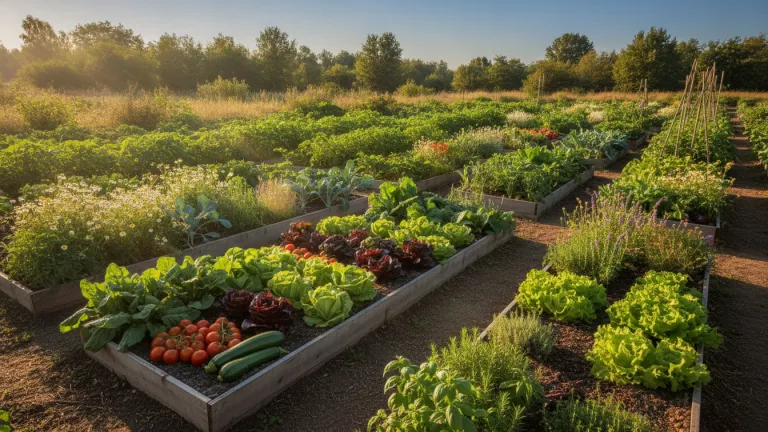
What is a sustainable diet and why it matters so much now
Have you ever stopped to think that each meal you eat is also an environmental choice? The plate that comes to your table has traveled a long path — soil, water, energy, transport — before reaching you. And that path leaves marks on the planet. The good news is that small changes in what we eat have the potential to generate enormous collective impact, without needing to turn your life upside down.
The so-called sustainable diet has been gaining increasing attention from scientists, governments, and consumers around the world. It’s not a passing fad nor a rigid list of prohibitions. It’s actually a way of viewing food more broadly — considering not only what’s good for our bodies, but also what’s good (or less harmful) for the planet, the people who produce our food, and future generations.
In this article, you’ll understand what a sustainable diet is, what its main pillars are, how food connects to climate change, and most importantly, what you can start doing today to make your meals more conscious and delicious.
Sustainable diet: definition and main pillars
The United Nations Food and Agriculture Organization (FAO) defines sustainable diets as those that have low environmental impact, contribute to food and nutritional security, and ensure a healthy life for current and future generations. This definition carries four dimensions that go hand in hand:
- Human health: nutritious, varied foods adequate to the body’s needs
- Environmental impact: lower greenhouse gas emissions, conscious water use, and biodiversity preservation
- Economic viability: accessible and fair for producers and consumers
- Cultural acceptability: respectful of the eating habits and traditions of each people
It’s important to be clear: sustainable diet is not necessarily synonymous with veganism or vegetarianism. Although reducing animal protein consumption has significant positive impact, the concept is broader and includes choices like preferring local and seasonal foods, reducing waste, and valuing family farming.
How food connects to climate change
The global food system — from production to disposal — is responsible for a significant portion of greenhouse gas emissions. According to reports from the IPCC (Intergovernmental Panel on Climate Change), land use systems, including agriculture, represent between 21% and 37% of global GHG emissions when considering the entire chain, from deforestation to transport and food waste.
Livestock farming, in particular, deserves attention. Cattle farming generates methane — a gas with much greater global warming potential than CO₂ in the short term — both from animal digestion and manure. This doesn’t mean beef needs to disappear from the menu, but that excessive and unplanned consumption has real environmental costs.
Brazil occupies a central position in this equation. We are one of the world’s largest food producers and exporters, and agricultural expansion is historically linked to deforestation of the Amazon and Cerrado. On the other hand, we also have one of the richest family farms on the planet, with enormous diversity of traditional crops — a strength that can (and should) be valued in our daily choices.
Foods with highest and lowest environmental impact
Not all foods weigh equally on the environmental scale. Understanding this difference helps you make more informed decisions without having to give up everything you like.
High-impact environmental foods
- Beef: requires large land area, lots of water, and generates high methane emissions
- Lamb and mutton: also among those with the highest carbon footprint per kilogram of protein
- Industrial farmed shrimp: production systems frequently associated with mangrove destruction
- Cheese: being derived from significant quantities of bovine milk, has considerable impact
Low-impact environmental foods
- Legumes (beans, lentils, chickpeas, peas): rich in protein, fix nitrogen in the soil, and have very low GHG emissions
- Whole grains (rice, oats, corn): when produced less intensively, are efficient options
- Seasonal and local fruits and vegetables: lower need for transport, refrigerated storage, and inputs
- Eggs and dairy in moderation: lower impact than red meat, especially from family farms
- Certified fish and seafood: when from sustainable fishing or responsible aquaculture
A practical way to think about it: the closer to the base of the food chain (plants, seeds, roots), generally the lower the environmental impact of the food.
How to adopt a more sustainable diet: step by step
Changing eating habits can seem challenging, but small daily actions already make a difference. Here’s a progressive and viable path:
- Reduce (not necessarily eliminate) red meat. Start by swapping one or two days a week for meals based on beans, lentils, chickpeas, or eggs. The traditional Brazilian combination of rice and beans, for example, is one of the most nutritious and sustainable in the world.
- Prefer seasonal and local foods. Seasonal fruits and vegetables are cheaper, more nutritious, and have a lower carbon footprint. Research which products are in season in your region — your city’s CEASA usually provides this information.
- Go to the farmers market and support family farming. Buying from small local producers shortens the distribution chain, reduces transport emissions, and keeps income in rural areas. Look for markets with seals from the Ministry of Agricultural Development or family agriculture organizations.
- Reduce food waste. Plan your weekly meals, make shopping lists, use peels and stems, and learn to store food correctly. In Brazil, it’s estimated that a significant portion of produced food is lost before even being consumed.
- Read labels and know the origin. Prefer products with social and environmental certifications, such as the organic agriculture seal from the Ministry of Agriculture or fair trade certifications.
- Try growing something at home. Even in small apartments, it’s possible to grow seasonings like basil, chives, and parsley. This reduces packaging, transport, and connects you to the food production process. Check our easy guide to planting at home and take the first step.
- Reduce ultra-processed food consumption. Beyond health impacts, these products usually involve long production chains, lots of packaging, and high energy consumption in manufacturing.
Is sustainable diet expensive? Breaking this myth
One of the biggest obstacles people report when trying to change their diet is cost. And it’s true that some organic or imported products can be more expensive. But the logic of sustainable eating goes in the opposite direction of sophisticated consumption.
Beans, rice, corn, cassava, squash, banana, eggs — all these foods are cheap, nutritious, culturally rooted in Brazil, and with much lower environmental impact than industrialized products or premium meats. Valuing traditional Brazilian cooking is in itself a sustainable act.
Moreover, by reducing waste — planning purchases better and using foods entirely — many families can save significantly on their monthly budget.
Food sustainability is not a privilege of the wealthy. It’s largely in habits and daily choices — and many of these more sustainable habits are precisely the simplest and most accessible.
Sustainable diet and biodiversity: what you eat affects nature
There is a direct connection between what we put on our plate and biodiversity preservation. When we value native and diverse foods, we encourage farmers to maintain traditional seed varieties and cultivars that would otherwise be abandoned in favor of monocultures.
Brazil is a country of extraordinary biodiversity. Fruits like pequi, buriti, native açaí, cagaita, and umbu are part of threatened biomes — and conscious consumption of these products creates economic incentive for local communities to preserve them. Initiatives like the sociobiodiversity program of the Ministry of Environment and Climate Change already recognize this strategic role of native foods.
By diversifying your plate, you also diversify the field. It’s a cause-and-effect chain that begins in your kitchen.
Practical list: 10 actions you can adopt today
- Substitute beef in at least two meals per week with legumes
- Buy seasonal fruits and vegetables at the local farmers market
- Plan your weekly menu before going to the supermarket
- Use peels, stems, and leaves in meal preparation
- Freeze what you won’t use before it spoils
- Try growing a seasoning at home (basil, chives, mint)
- Reduce consumption of individual and disposable packaging
- Prefer products with controlled origin seals or organic farming
- Try a Brazilian native fruit or vegetable you’ve never eaten
- Share what you’ve learned with friends and family — collective change begins in conversations
Conclusion: your plate has more power than you imagine
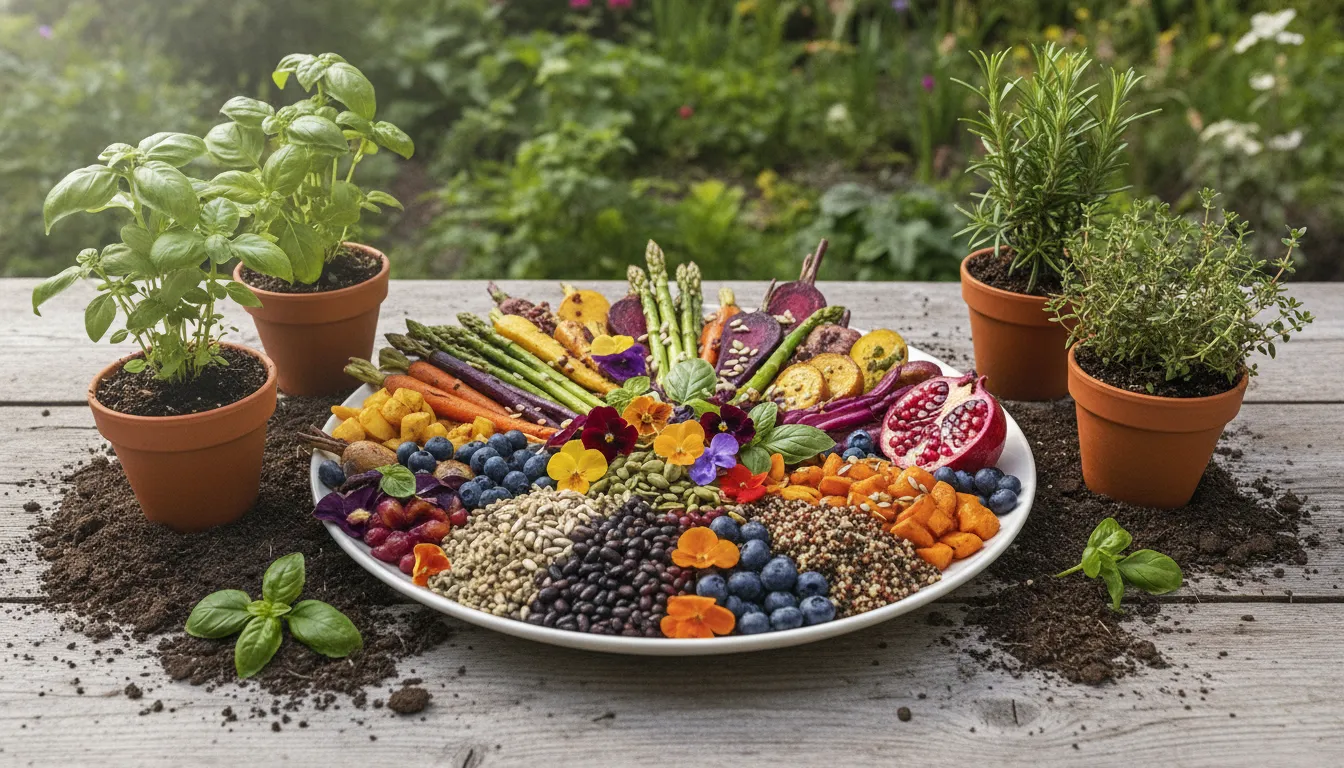
Adopting a sustainable diet doesn’t require perfection. It’s not about eliminating everything at once or following rigid rules. It’s about developing a growing awareness that each food choice has consequences — for your body, for whoever produced that food, for the soil, water, and climate.
Brazil has a huge advantage in this journey: our traditional food culture is already, in large part, sustainable. Rice and beans, cassava flour, tropical fruits, fresh seasonings — this is a heritage worth honoring and preserving.
Start with one step. Swap one meal per week. Go to a farmers market. Plant an herb at home. Every choice counts, and when millions of people make similar choices, the impact multiplies in a way that no government or company can ignore.
The planet needs you at the table — and your plate has far more power than it seems.
