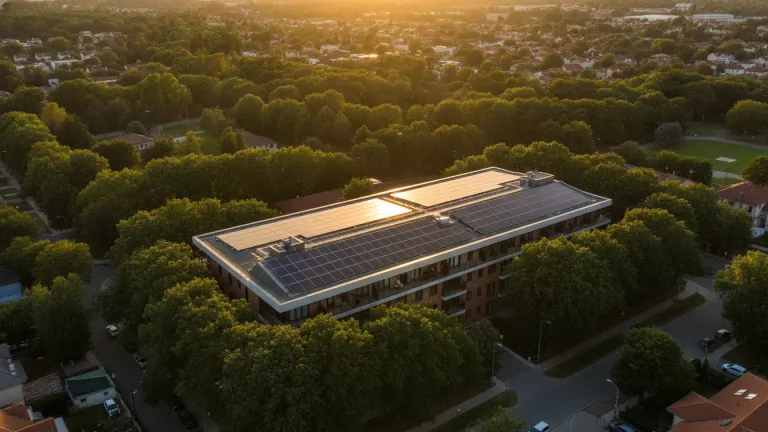
Is Installing Residential Solar Power Worth It in 2026?
In recent years, solar energy has shifted from being a privilege of the few to an increasingly accessible reality for families worldwide. With electricity rates on a persistent upward trajectory and photovoltaic system costs progressively declining, the question many people ask is straightforward: is installing solar power at home in 2026 still worth it?
The short answer is: in most cases, yes. But like any important financial decision, the devil is in the details. The return on investment depends on your consumption profile, your region, the type of system chosen, and even how you finance the installation. This article will help you understand each of these factors clearly, without exaggerated promises and without overlooking points that require attention.
If you’re already thinking about installing solar panels or simply want to better understand the current landscape before making a decision, keep reading. We’ll explore the real costs, concrete benefits, pitfalls to avoid, and practical steps for those who want to get started.
The Solar Energy Landscape in 2026
Many countries occupy privileged positions on the global solar map. With irradiance levels among the highest on the planet — especially in sunbelt regions — there’s enormous potential for photovoltaic generation. According to energy regulatory agencies worldwide, solar photovoltaic energy has been growing rapidly in electrical grids in recent years, establishing itself as one of the main sources of distributed generation.
Residential distributed generation — which is precisely the model of installing panels on your roof and injecting the surplus into the grid — has gained significant momentum with sector regulations. Legal frameworks for micro and mini distributed generation have created clearer rules for energy compensation systems (the so-called “net metering”), ensuring greater legal security for both consumers and installers.
In 2026, the market is more mature, with more companies competing, more accessible equipment prices, and a more robust financing chain. This makes the timing particularly interesting for those who haven’t yet made the transition.
How Much Does a Residential Solar System Cost in 2026?
The cost of a residential photovoltaic system varies according to installation size, equipment quality, and region. Generally, residential systems sized to meet typical monthly consumption of middle-class families usually require investments ranging from several thousand to tens of thousands of dollars, depending on installed capacity.
The main factors influencing price are:
- System power (in kWp): the higher the monthly consumption, the larger the system needed and, therefore, the greater the initial investment.
- Quality of panels and inverters: equipment from recognized brands with good warranties tends to cost more but offers greater durability and efficiency.
- Regional labor costs: installation in large urban centers may be more expensive than in smaller cities.
- Roof structure: roofs requiring structural adaptations or with unfavorable inclination can increase project costs.
For a more precise estimate of the cost for your profile, check out the article Energia solar residencial: quanto custa em 2026?, which details current average market prices.
Investment Payback Period: What to Expect?
Payback — that is, the time needed for electricity bill savings to “pay off” the initial investment — is one of the most important metrics for evaluating whether installing solar power is worthwhile.
The average payback period for residential systems has generally been between 4 and 7 years, depending on factors such as:
- Electricity rate from your utility company
- Amount of sunshine hours in your region
- Self-consumption level (how much of the generated energy you use directly, without needing to inject into the grid)
- Payment method (cash or financed)
After payback is achieved, the system continues generating energy — and savings — for decades. High-quality photovoltaic panels have an estimated lifespan of 25 to 30 years, with gradual efficiency degradation over time. This means that after the investment returns, financial benefits continue for many years.
Benefits Beyond the Electric Bill
Installing solar energy goes beyond saving money. There are other relevant benefits worth considering in your decision:
Property Value Increase with Solar Energy
Properties equipped with photovoltaic systems have shown higher market values. For buyers and renters, the prospect of a reduced energy bill is a real attraction. Although appreciation percentages vary by region and local real estate market, this advantage is recognized by industry professionals.
Positive Environmental Impact
Solar energy generation produces no greenhouse gas emissions during operation. By replacing grid energy consumption — which in many regions includes fossil fuel power plants, especially during drought periods — you directly reduce your carbon footprint. The IPCC (Intergovernmental Panel on Climate Change) points to energy sector decarbonization as one of the most critical actions for limiting global warming, and distributed generation is part of this solution.
Energy Independence
With a solar system combined with storage batteries — technology that has become increasingly accessible — it’s possible to have greater autonomy from the electrical grid, reducing the impact of blackouts and supply instabilities.
Points to Consider Before Hiring
Not everything is perfect, and a well-informed decision requires knowing the aspects that deserve caution:
- Installer quality: the market has grown rapidly and not all companies have the same standards. Look for certified companies and verify that professionals have proper licensing and credentials.
- Financing with high interest rates: financing the system can greatly extend the payback period. Carefully simulate credit conditions before signing any contract.
- Energy compensation rules: current legislation guarantees important rights, but rules can change over time. Fully understand the contract with your local utility.
- Shading and roof orientation: panels installed on roofs with heavy shading or facing unfavorable directions will have significantly reduced efficiency. A good installation company should conduct a prior technical analysis.
- Maintenance: although photovoltaic systems require little maintenance, periodic panel cleaning is necessary to maintain efficiency. In regions with heavy wind and dust, this may be more frequent.
How to Take the First Steps: A Practical Guide
If you’ve decided to evaluate solar energy installation at your home, here’s a clear path to get started:
- Analyze your energy bills from the last 12 months. Calculate your average monthly consumption in kWh. This is the basis for sizing the system appropriate to your needs.
- Research solar irradiance in your region. Energy reference centers provide solar irradiance maps that help estimate expected generation for your area.
- Request quotes from at least three different companies. Compare not only price but also equipment quality, warranty periods, and company track record.
- Check available financing options. Many banks offer specific credit lines for solar energy with differentiated conditions.
- Consult your local utility about the connection process. Each utility has its own deadlines and requirements for system approval and grid connection.
- Evaluate your roof structure. Make sure the structure supports the weight of the panels and that orientation and inclination are favorable.
- Monitor performance after installation. Most modern inverters have monitoring apps that allow you to check daily generation and quickly identify any problems.
Solar Energy and the Commitment to a Sustainable Future
Adopting residential solar energy is also a statement of values. By generating your own clean energy, you directly contribute to reducing carbon emissions and to the energy transition the planet needs. Just as everyday choices — like reduzir o plástico em casa com passos simples — make a difference when multiplied by millions of people, distributed solar generation has a collective impact much greater than each family’s individual savings.
The good news is that in 2026, doing good for the planet and your wallet are goals that align much more easily than a few years ago. The market has matured, legislation is clearer, costs have dropped, and financing options have expanded.
Conclusion: The Time to Act is Now
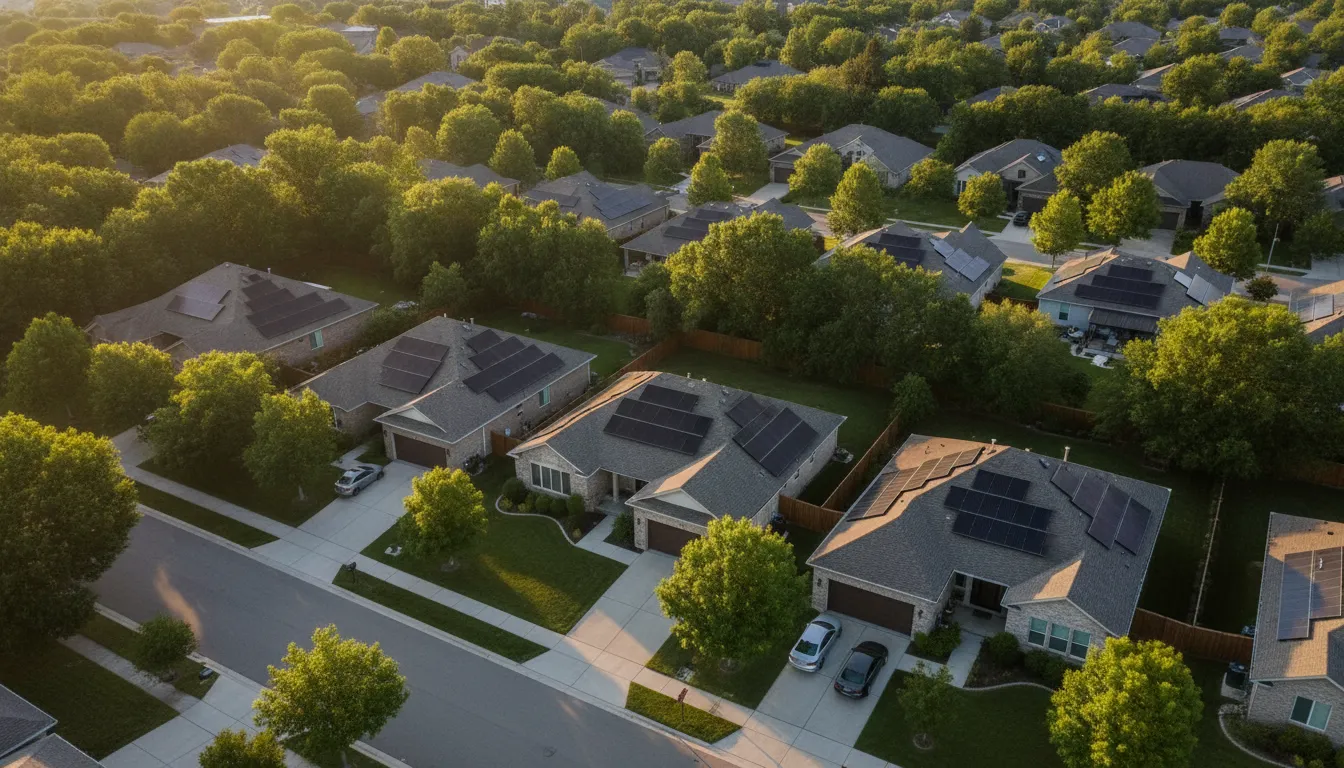
The question “is it worth installing solar power in 2026?” has, for most families, a positive answer — as long as the decision is made with planning, information, and careful installer selection.
The initial investment exists, the utility approval process takes time, and there are technical details to consider. But the benefits — economic, environmental, and autonomy-related — are real and lasting.
Start today: get your last three electricity bills, calculate your average consumption, and request a free quote. This first step costs nothing and could be the beginning of a change that benefits your family and the planet for decades.
