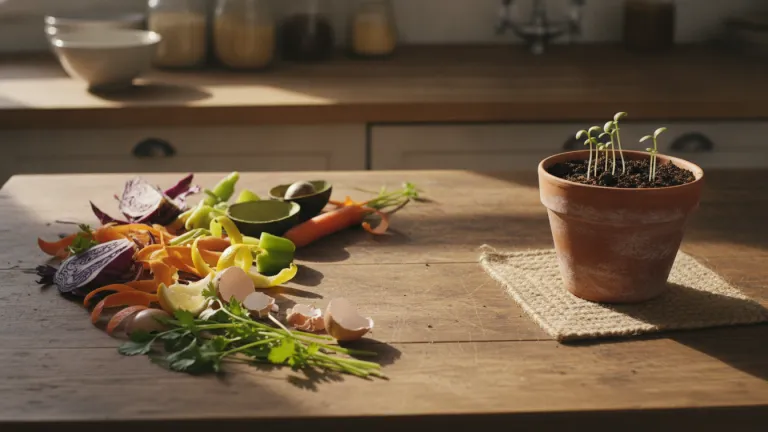
Why Throw Away What Can Still Become a Meal?
Have you ever opened the fridge and found that half-dried onion, yesterday’s rice, and a handful of vegetables that are almost past their prime? Many people’s first reaction is to head straight for the trash bin. But what if this automatic habit was wasting not just food, but also money, energy, and valuable natural resources?
Food waste is one of the most underestimated environmental problems in everyday life. According to the Food and Agriculture Organization of the United Nations (FAO), about one-third of all food produced worldwide for human consumption is lost or wasted along the supply chain. In Brazil, estimates from IBGE and researchers in the field indicate that losses occur at all stages, from harvest to table, with households being one of the main points of waste in urban environments.
The good news is that repurposing food scraps is far from complicated. With some simple techniques and a change in mindset, you can transform leftovers into delicious meals, reduce organic waste at home, and even save on your grocery bill. This article shows you how to do this practically, starting today.
The Real Impact of Food Waste on the Environment
Before getting to the tips, it’s worth understanding why this topic matters so much from an environmental standpoint.
When food goes to waste, it’s not just the food that’s lost. Along with it goes all the water used for irrigation, the energy spent on transportation, the inputs applied in farming, and the human labor involved at every stage of production. And when this organic waste ends up in landfills without proper treatment, it decomposes anaerobically, releasing methane—a greenhouse gas with significantly greater global warming potential than CO₂ in the short term, according to the Intergovernmental Panel on Climate Change (IPCC).
Reducing food waste appears as one of the highest-impact strategies for mitigating climate change precisely because it acts on multiple fronts simultaneously: fewer emissions, less pressure on soil and water, and less waste in landfills. It’s an action that directly connects your dinner plate to the major environmental issues of our time, as you can see in more detail at How to Offset Your Carbon Footprint in a Real Way.
Repurposing in the Kitchen: Changing How You Look at Scraps
The first step to better repurposing is changing the question. Instead of “is this still good?” the useful question becomes “what can I make with this?”
Peels, stems, leaves, and seeds of many foods are perfectly edible and nutritious but end up discarded out of cultural habit. Banana peels can become a sautéed dish or be used in recipes like vegan “pulled pork.” Cilantro stems have flavor just as intense as the leaves and work great in broths. Pumpkin seeds, lightly roasted with salt, make a crunchy and nutritious snack.
This approach has a name: whole food utilization. The Ministry of Health and programs like the historic Food Bank and food security initiatives in Brazil have promoted this concept for decades, recognizing that parts of vegetables normally discarded contain significant amounts of vitamins, minerals, and fiber.
How to Organize Your Fridge to Waste Less
Much of the waste begins even before cooking. A poorly organized fridge causes food to be forgotten until it spoils. Organizing the space intentionally is one of the most efficient changes you can make.
- Apply the FIFO principle (First In, First Out): place older foods in front and newly purchased ones in back. It seems obvious, but few do this consistently.
- Keep leftovers in transparent containers at eye level: what isn’t seen isn’t remembered. Opaque containers at the back of the fridge are where leftovers go to die.
- Set aside a specific space for “use first”: a shelf or basket where items that are near their expiration date or need to be consumed with priority are kept.
- Don’t mix certain foods: apples and bananas release ethylene, a gas that accelerates the ripening of nearby fruits and vegetables.
- Freeze before it spoils: cooked rice, beans, sauces, meats, sliced bread, and even milk can be frozen without significant loss of nutritional quality.
Practical Recipes to Transform Leftovers into Meals
Here’s where the fun part begins. Repurposing doesn’t mean eating something bland: with a little creativity, leftovers become dishes you’d make on purpose.
Homemade Broth with Peels and Stems
Save onion and garlic peels, parsley stems, outer leek leaves, carrot and celery ends in a bag in the freezer. When the bag is full, boil everything in water for about 40 minutes, strain, and use as a base for soups, risottos, and sauces. The result is a flavorful broth that’s completely free.
Baked Rice with Leftovers
Day-old rice tastes great in a skillet with a drizzle of oil and a scrambled egg, chaufa rice style. But it can also become rice balls (mix with grated cheese, form balls, and bake or fry) or the base of a baked rice dish with vegetables and whatever else you have in the fridge.
“Back of the Fridge” Soup
Wilted but not spoiled vegetables, pieces of stale bread, leftover beans, rice, or pasta: everything can go into a pot with broth, seasonings, and love. Soups are the universal solution for Fridays before grocery shopping.
Infused Oil or Vinegar with Almost-Wilted Herbs
Parsley, thyme, rosemary, or basil that are losing their freshness can be infused in olive oil or vinegar. Leave the herbs in the bottle with the liquid for a few days in a cool place and you have an aromatic condiment that lasts for weeks.
Composting: When There’s No Other Option for Organic Waste
Even with all possible repurposing, some organic waste will always remain: coffee grounds, eggshells, trimmings from overripe fruit, paper napkins. For these materials, composting is the best destination.
Home composting can be done in an apartment using compact worm bins (vermicomposting), which take up little space, don’t produce odor when properly managed, and generate high-quality humus for plants. In homes with a backyard, pile composting or stacked box composters is even simpler.
Items that can go into compost:
- Fruit and vegetable peels
- Coffee grounds and paper filters
- Eggshells (crushed speeds up the process)
- Dry leaves and garden trimmings
- Cardboard and non-laminated paper in small quantities
Avoid composting: meats, fish, dairy, oils, and heavily seasoned foods, as they can attract pests and create unpleasant odors in home composters.
Shopping Planning: The Best Strategy Starts at the Store
Repurposing leftovers is important, but the best way not to waste is to buy only what’s necessary. This doesn’t mean going hungry or visiting the store every day.
- Plan your weekly menu before shopping: decide what you’ll eat at each meal and list only the necessary ingredients.
- Take inventory of the fridge and pantry before leaving: this avoids duplicates and unnecessary purchases.
- Buy fruits and vegetables at different stages of ripeness: this way they don’t all ripen at the same time.
- Prefer smaller quantities of perishables: larger packaging isn’t always real savings if half goes in the trash.
- Use lists on your phone and update in real time: simple shopping list apps already make a huge difference in consistency.
This set of habits, in addition to reducing waste, usually generates noticeable savings in the family budget throughout the month.
Conclusion: Your Kitchen Can Be a Political and Environmental Act
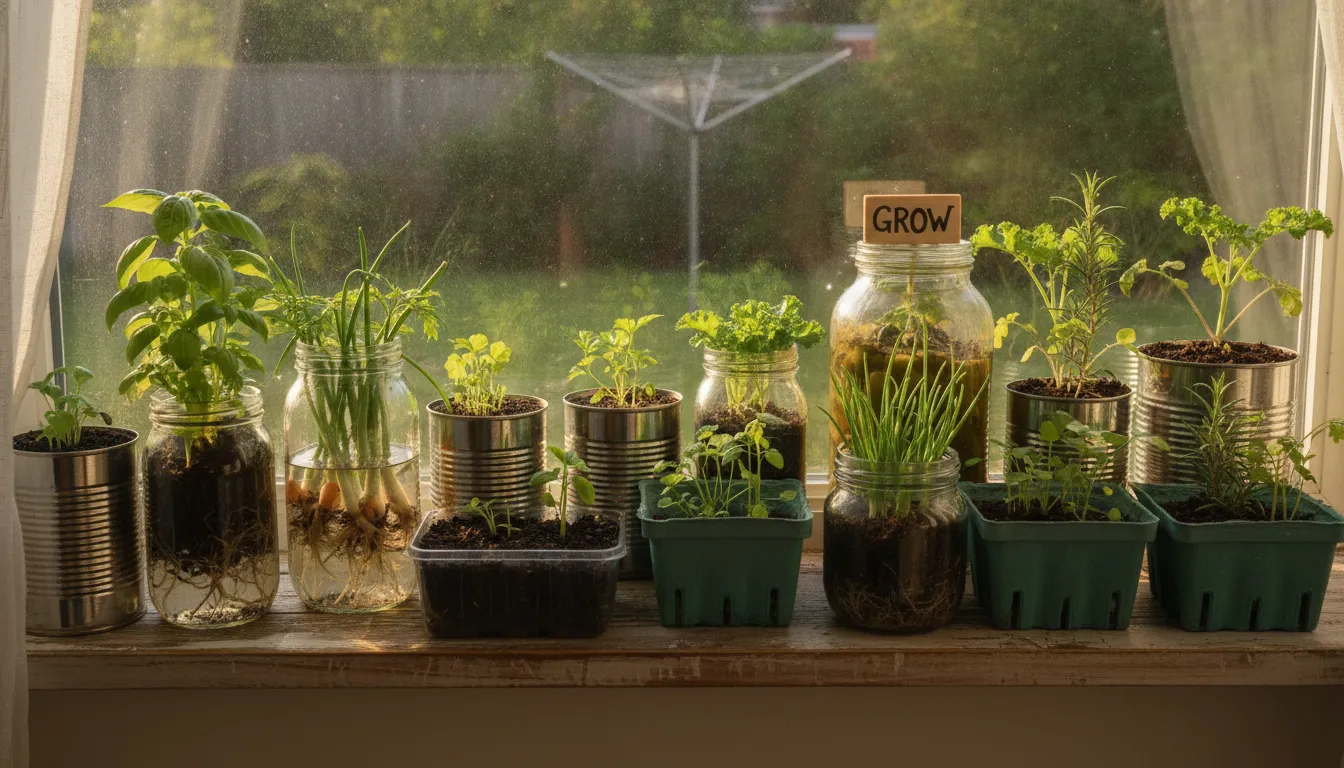
Repurposing food scraps is, at the same time, a simple gesture and an act of great reach. Every peel used, every leftover transformed into a new dish, and every fridge organization done with intention contributes to reducing pressure on natural resources, decreasing emissions, and strengthening a more conscious relationship with food.
You don’t need to do everything at once. Start with one change: organize your fridge today, try the peel broth next week, or set aside a small box to start composting. Every step counts, and the sum of small actions in many homes creates real collective impact.
If you want to go further and understand how other daily choices affect your environmental footprint, also check out How to Offset Your Carbon Footprint in a Real Way. Your kitchen is already a good start.
