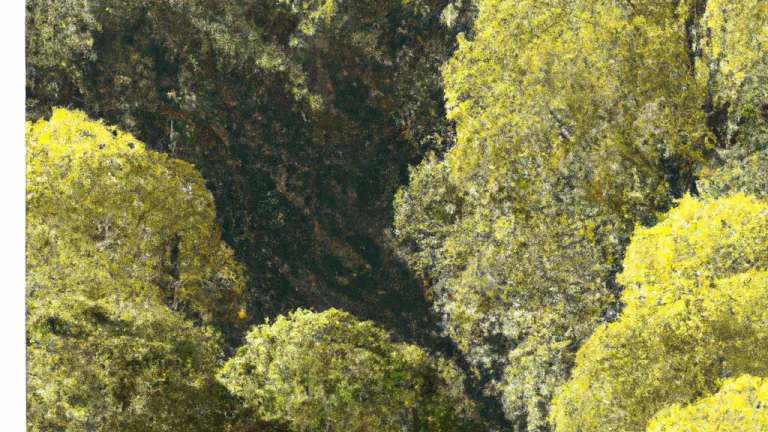
Reversing Devastation: How Reforestation Can Save the Planet
The destruction of forests worldwide is a leading cause of climate change and biodiversity loss. However, there is hope. Reforestation is an effective solution to reverse the damage caused by human activity and restore environmental balance. In this article, we will explore how reforestation can save the planet and why it is crucial to invest in this practice.
The Importance of Forests for the Planet
Forests play a vital role in the ecological balance of the planet. They are responsible for climate regulation, air purification, soil conservation, and maintaining biodiversity. Moreover, forests are essential for the survival of countless plant and animal species, including humans.
However, forests are under threat due to uncontrolled exploitation, deforestation for agriculture, and urbanization. As a result, vast areas of forests are being destroyed at an alarming rate, which has devastating consequences for the environment and life on Earth.
The Impact of Deforestation on Climate Change
Deforestation is one of the main causes of climate change. When trees are cut down, the carbon stored in the biomass is released into the atmosphere as carbon dioxide (CO2), one of the primary greenhouse gases responsible for global warming.
Additionally, forests play a crucial role in absorbing CO2 from the atmosphere during photosynthesis. Therefore, the destruction of forests reduces the planet’s ability to regulate the climate and contributes to rising global temperatures and extreme weather events, such as droughts and floods.
How Reforestation Can Save the Planet
Reforestation is the process of planting trees in areas that have been deforested or degraded, with the aim of restoring forest ecosystems and recovering lost ecosystem services. This practice brings numerous benefits to the environment and society, including:
- Carbon Sequestration: Trees absorb CO2 from the atmosphere during photosynthesis, helping to reduce greenhouse gas concentrations responsible for global warming.
- Climate Regulation: Forests play an important role in climate regulation, helping to maintain stable temperatures and reduce the occurrence of extreme weather events.
- Biodiversity Conservation: Forests are home to millions of plant and animal species, many of which are threatened with extinction due to deforestation. Reforestation helps protect these species and preserve biological diversity.
- Soil Protection: Tree roots help maintain soil structure, preventing erosion and desertification.
Successful Examples of Reforestation Projects
Worldwide, there are numerous examples of successful reforestation projects contributing to the restoration of forest ecosystems and climate change mitigation. One example is the “The Great Green Wall” project in Africa, which aims to plant a band of trees along the Sahara to combat desertification and improve living conditions for local communities.
In Brazil, the “Recomeça São Paulo” project is planting thousands of trees in urban areas to improve air quality, reduce heat islands, and promote population well-being. These are just a few examples of how reforestation can have a positive impact on the environment and society.
How You Can Contribute to Reforestation
Besides supporting large-scale reforestation projects, you can also contribute to forest restoration individually. Here are some ways to make a difference:
- Plant Trees: If you have available space, plant trees on your property or participate in community seedling planting programs.
- Reduce Paper Consumption: Recycle paper and opt for products made from recycled materials to reduce the demand for virgin paper, often produced from deforested trees.
- Adopt Sustainable Practices: Reduce your consumption of natural resources, such as energy and water, and support companies and brands that adopt sustainable practices in their operations.
Conclusion
Reforestation is a powerful tool to combat climate change, preserve biodiversity, and ensure a sustainable future for the planet. By planting trees and supporting forest restoration projects, each of us can make a difference and contribute to building a greener and healthier world for future generations.
Together, we can reverse the devastation caused by deforestation and create a future where forests thrive, wildlife flourishes, and the planet is in balance. Reforestation is the key to saving our planet and ensuring that forests continue to play their vital role in the sustainability of life on Earth.
