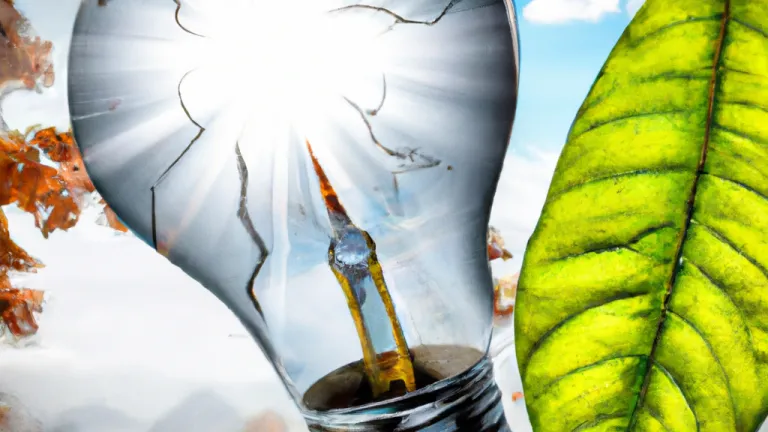
How to Reduce Your Ecological Footprint and Save the Planet
In recent years, concern for the environment and sustainability has grown exponentially. With climate change becoming increasingly evident and the negative impacts of human activity on the planet, it is crucial for everyone to do their part to reduce their ecological footprint and contribute to environmental preservation. In this article, we will explore practical ways to reduce your ecological footprint and save the planet.
Understand What an Ecological Footprint Is
An ecological footprint is a measure of the pressure that human activity exerts on the environment. It calculates the amount of natural resources needed to sustain a person’s or community’s lifestyle. This includes the amount of water, soil, energy, and other resources consumed and the waste produced throughout a person’s life.
To reduce your ecological footprint, it is important to understand how your daily choices affect the environment and seek ways to minimize this impact.
Reduce Energy Consumption
Energy consumption is one of the main sources of greenhouse gas emissions, which contribute to global warming. To reduce your ecological footprint, it is essential to adopt measures to decrease energy consumption at home and at work.
Some tips for reducing energy consumption include:
- Use LED bulbs, which consume less energy than traditional bulbs.
- Unplug electronic devices when not in use.
- Use natural light whenever possible instead of turning on lights.
- Invest in more efficient appliances, such as refrigerators and air conditioners with energy efficiency labels.
Small changes in your daily routine can make a big difference in reducing energy consumption and decreasing your ecological footprint.
Reduce Water Consumption
Water is an essential resource for life on the planet, and excessive consumption can lead to scarcity and degradation of aquatic ecosystems. To reduce your ecological footprint regarding water consumption, it is important to adopt more sustainable practices in daily life.
Some tips for reducing water consumption include:
- Repair leaks and dripping faucets.
- Use the washing machine and dishwasher only with full loads.
- Take shorter showers and turn off the tap while brushing your teeth.
- Reuse rainwater for watering plants.
Small actions in your daily life can significantly contribute to reducing water consumption and preserving this precious resource.
Reduce Waste
Food, product, and material waste is one of the main sources of environmental impact. To reduce your ecological footprint, it is essential to adopt more conscious consumption practices and avoid waste.
Some tips for reducing waste include:
- Make a shopping list and avoid buying in excess.
- Fully utilize food by using peels, stalks, and leaves in meal preparation.
- Reuse packaging and materials whenever possible.
- Recycle waste and separate organic waste for composting.
Reducing waste is an effective way to decrease your ecological footprint and contribute to the preservation of the planet’s natural resources.
Invest in Sustainable Transportation
Transportation is one of the main sources of greenhouse gas emissions, which contribute to global warming. To reduce your ecological footprint regarding transportation, it is important to invest in more sustainable means of transportation.
Some tips for reducing emissions through transportation include:
- Use public transportation, bicycles, or walk whenever possible.
- Carpool with colleagues or friends.
- Opt for electric or hybrid vehicles, which emit fewer pollutants than fossil fuel-powered vehicles.
- Plan trips better and avoid unnecessary travel.
Small changes in transportation habits can significantly contribute to reducing pollutant emissions and preserving air quality.
Conclusion
Reducing your ecological footprint is a crucial action to contribute to environmental preservation and the planet’s sustainability. Small changes in daily habits can make a big difference in decreasing the consumption of natural resources and reducing the environmental impacts of human activity.
Adopting more sustainable practices regarding energy, water, food, and transportation consumption is essential to ensure a more balanced and healthy future for the next generations. Do your part and help save the planet!
