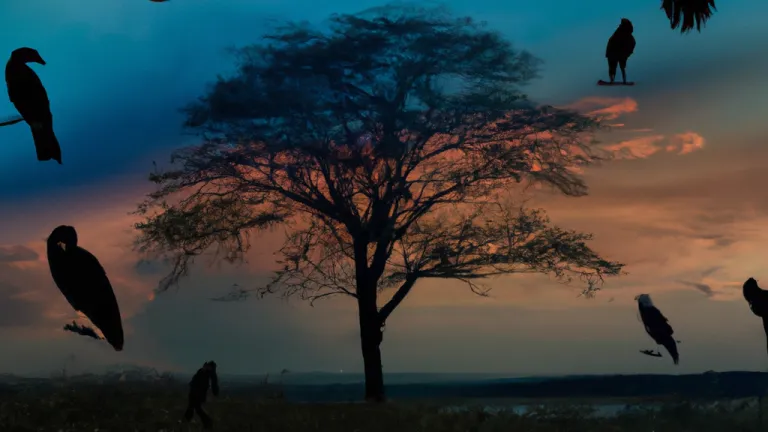
Protecting the Future: The Crucial Role of Nature Conservation
Nature is the foundation of all life on Earth. It provides essential resources for the survival of all species, including humans. However, human actions have endangered the health of natural ecosystems, leading to biodiversity loss and climate change. Protecting nature is essential to ensure a sustainable future for current and future generations.
Why is Nature Conservation Important?
Nature conservation is crucial to maintain ecosystem balance and ensure the availability of natural resources for future generations. Biodiversity loss can negatively impact various aspects of life, including food security, human health, and climate stability. Moreover, healthy ecosystems play a crucial role in regulating the water cycle, pollinating plants, and purifying air and water.
How Can We Contribute to Nature Conservation?
There are several ways each of us can contribute to nature conservation in our daily lives. Small actions, like recycling waste, saving water and energy, planting trees, and supporting environmental conservation organizations, can make a significant difference. For more tips on contributing to nature conservation, check out the post 10 Effective Ways to Contribute to Nature Conservation.
The Benefits of Nature Conservation
Nature conservation benefits not only the environment but also society as a whole. Healthy ecosystems provide essential ecosystem services, such as climate regulation, plant pollination, and protection against natural disasters. Additionally, protected natural areas offer opportunities for ecotourism and outdoor recreation, creating jobs and boosting the local economy.
The Importance of Environmental Education
Environmental education plays a fundamental role in raising awareness and engaging people in nature conservation. By learning about the importance of natural ecosystems and the threats they face, people are more likely to adopt sustainable practices in their daily lives. For tips on practicing respect for nature daily, check out the post 7 Simple Ways to Practice Respect Daily: Small Actions with Big Impact.
Challenges and Threats to Nature Conservation
Despite conservation efforts worldwide, nature continues to face numerous challenges and threats. The destruction of natural habitats, pollution, unsustainable exploitation of natural resources, and climate change are some of the main causes of biodiversity loss and ecosystem decline. To combat these threats, it is essential to adopt effective conservation measures and promote sustainability across all sectors of society.
Conclusion
Nature conservation is a moral and ethical imperative, as we are interconnected with all living beings and dependent on the ecosystem services nature provides. Protecting natural ecosystems and preserving biodiversity is not just a matter of responsibility but also of survival. Each of us has a role to play in protecting our planet and building a more sustainable future for all. Together, we can make a difference.
