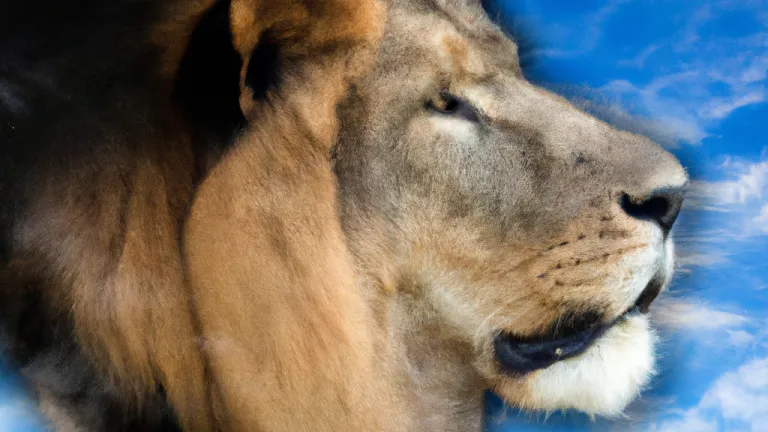
Protect Endangered Wildlife: Strategies for Preservation and Conservation
Wildlife around the world is facing increasing challenges due to human activity and climate change. Precious species are at risk of extinction, and it is our duty as inhabitants of this planet to protect and preserve them for future generations. In this article, we will discuss some important ways we can save wildlife and ensure the survival of endangered species.
1. Protection of Natural Habitats
One of the main causes of species extinction is the destruction of natural habitats. Urbanization, intensive agriculture, and the exploitation of natural resources have led to the loss of wild areas essential for the survival of many species. To protect wildlife, it is crucial to preserve and restore natural habitats by creating protected areas and promoting sustainable land use practices.
It is also important to raise public awareness about the importance of conserving natural habitats and encourage active societal participation in protecting these areas. Environmental education and public awareness are fundamental to ensuring the preservation of habitats and the survival of the species that depend on them.
2. Combating Poaching and Illegal Wildlife Trade
Poaching and the illegal wildlife trade are significant threats to many species worldwide. The demand for wildlife products, such as ivory, furs, and exotic animals, has led to rampant exploitation and the decline of various species populations.
To protect wildlife, it is essential to combat poaching and the illegal wildlife trade by strengthening laws and enforcement mechanisms. Additionally, raising public awareness about the negative impacts of these practices and promoting sustainable alternatives for natural resource use are crucial.
3. Restoration of Degraded Ecosystems
Ecosystem degradation is one of the main threats to biodiversity worldwide. Pollution, uncontrolled urbanization, and excessive exploitation of natural resources have caused irreparable damage to ecosystems, compromising the survival of many species.
To protect wildlife, it is necessary to restore degraded ecosystems by promoting the recovery of native vegetation, cleaning polluted rivers and lakes, and reintroducing threatened species into their natural habitats. Ecosystem restoration not only benefits wildlife but also contributes to climate regulation, water conservation, and the well-being of local communities.
4. Reducing Greenhouse Gas Emissions
Climate change poses an increasing threat to wildlife worldwide. Rising temperatures, ocean acidification, and extreme weather events are negatively impacting ecosystems and endangering the survival of many species.
To protect wildlife, it is crucial to reduce greenhouse gas emissions by promoting the transition to a low-carbon economy and adopting sustainable practices across all sectors of society. Mitigating climate change not only benefits wildlife but also ensures the health and well-being of future generations.
5. Engaging Society and Local Communities
To protect and preserve wildlife, active engagement of society and local communities is essential. People’s participation in decisions and actions related to biodiversity conservation is fundamental to ensuring the success of initiatives to protect endangered species.
It is important to promote environmental education, public awareness, and dialogue with local communities to build a culture of respect and care for wildlife. Involving people in conservation activities, such as species monitoring, habitat restoration, and responsible ecotourism, contributes to the effective protection of biodiversity and strengthens the bonds between people and nature.
Conclusion
The protection and preservation of wildlife are urgent challenges that require immediate and coordinated actions at a global level. By adopting measures to protect natural habitats, combat poaching and the illegal wildlife trade, restore degraded ecosystems, reduce greenhouse gas emissions, and engage society and local communities, we can save endangered species and ensure a sustainable future for wildlife on our planet.
Save wildlife, protect and preserve endangered species – the future of biodiversity depends on each of us!
