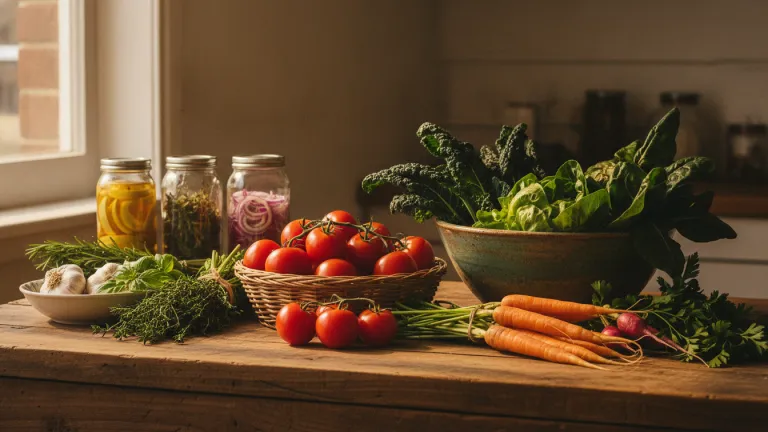
Why preserving fresh foods is an environmental (and economic) act
Have you ever opened the refrigerator and found a wilted bunch of spinach, a softened tomato, or a lemon covered in mold before you even used it? This scene is more common than it seems — and it has an enormous cost, both for your wallet and for the planet. Food waste is a structural problem worldwide: according to the Food and Agriculture Organization of the United Nations (FAO), about one-third of all food produced globally is lost or wasted along the production chain, with a significant portion of this loss happening right inside our homes.
When we throw food away, we’re not just discarding the food itself. We’re throwing away all the water, energy, land, labor, and carbon emissions that were needed to produce it, transport it, and store it until it reached our kitchen. Food waste is identified by the IPCC as a relevant source of global greenhouse gas emissions, when considering the decomposition of organic matter in landfills and the resources wasted throughout the production chain. In other words, better preserving what you buy is one of the most concrete actions you can take today to reduce your environmental footprint — without needing to radically change your routine.
The good news is that there are simple techniques, many used for generations, that considerably extend the shelf life of fruits, vegetables, herbs, and other fresh foods. In this article, you’ll learn how to store each type of food correctly, which mistakes to avoid, and how to turn this habit into a sustainable and economical practice in your daily life.
Understand why foods spoil so quickly
Before talking about solutions, it’s worth understanding the enemy. The deterioration of fresh foods is mainly caused by three factors: excessive or insufficient moisture, inadequate temperature, and exposure to ethylene — a natural gas released by certain fruits that accelerates the ripening of everything around them.
- Excessive moisture promotes the growth of fungi and bacteria (that mold on strawberries or lettuce).
- Lack of moisture dries out and wilts leaves and vegetables quickly.
- Wrong temperature both accelerates decomposition (heat) and damages the texture of some foods (extreme cold for tomatoes and bananas, for example).
- Ethylene is mainly released by apples, bananas, ripe avocados, and tomatoes. When stored near other vegetables, they accelerate the ripening and rotting of their neighbors.
Understanding these mechanisms is the first step to making smarter choices when storing your groceries.
What goes and what doesn’t go in the refrigerator: a practical guide
One of the most common mistakes is refrigerating everything indiscriminately. Some foods last longer outside the refrigerator; others are damaged by cold.
Foods that should not go in the refrigerator
- Tomatoes: cold destroys their texture and blocks flavor development. Store at room temperature, away from direct light.
- Bananas and mangoes: cold blackens the peel and interrupts ripening irregularly.
- Potatoes and cassava: the refrigerator converts starch into sugar, altering flavor and texture. Store in a cool, dry, dark place.
- Onions and garlic: they need air circulation and a dry environment. In the refrigerator, they become soft with altered flavor.
- Unripe avocados: should ripen at room temperature. Only go to the refrigerator after they’re ripe, to slow down the process.
- Honey and olive oil: don’t spoil at room temperature and crystallize or become cloudy in the refrigerator.
Foods that benefit from cold
- Leafy greens, broccoli, cauliflower, and carrots last much longer when refrigerated.
- Herbs like parsley, cilantro, and chives survive better in the refrigerator when stored correctly (see section below).
- Red fruits like strawberries, blueberries, and raspberries should go straight to the refrigerator right after purchase.
Proven techniques for preserving each type of food
How to keep leafy greens fresh for up to two weeks
- Don’t wash the leaves before storing — moisture accelerates rotting. Wash only when ready to use.
- Line the bottom of a container or bowl with a paper towel or clean dish towel.
- Place the dry, loose leaves on top.
- Cover with another paper towel before sealing.
- Store in the vegetable drawer of the refrigerator.
- Replace the paper towel when it becomes damp.
This technique absorbs excess moisture without drying out the leaves and can easily triple the storage time of lettuce or arugula.
How to preserve fresh herbs like a bouquet
Herbs like parsley, cilantro, and basil wilt quickly because they’re harvested with cut roots — like flowers. Treat them as such:
- Slightly trim the ends of the stems.
- Place in a glass or jar with cold water (about 3 cm of water).
- Lightly cover with a reusable plastic bag or parchment paper.
- For parsley and cilantro: store this way in the refrigerator.
- For basil: keep at room temperature, away from cold (cold blackens the leaves).
- Change the water every two days.
This technique can keep herbs fresh for one to two weeks instead of two or three days.
How to preserve berries without mold
Berries are especially sensitive because they’re delicate and moist. A simple and effective trick:
- Prepare a solution with 1 part white vinegar and 3 parts cold water.
- Submerge the strawberries (or blueberries) for about 1 minute.
- Drain and dry well with paper towel or clean cloth.
- Store in a container with paper towel at the bottom, without a lid (or with the lid slightly open to allow air circulation).
- Refrigerate immediately.
The vinegar eliminates surface fungal spores without altering the flavor. This technique can extend the life of strawberries from 2-3 days to up to a week.
Bulk storage: avoid the original packaging mistake
Many people store foods directly in supermarket packaging — and this is one of the biggest culprits of household waste.
Styrofoam trays retain moisture at the bottom, creating the perfect environment for bacteria. Sealed plastic bags accumulate condensation. The ideal is:
- Transfer vegetables to glass containers or ventilated containers.
- Use airtight containers for foods that need controlled humidity.
- Opt for beeswax wraps or reusable silicone films instead of plastic wrap, which besides being less efficient, generate unnecessary waste.
If you want to go further on your conscious consumption journey, check out how sustainability in daily life can be built with small actions that transform — including storage and kitchen choices.
Smart freezing: the underestimated ally
The freezer is one of the most powerful tools against waste — and one of the most underutilized. Virtually all vegetables can be frozen, but most benefit from a process called blanching before going to the freezer.
How to blanch and freeze vegetables correctly
- Wash and cut the vegetables to desired size.
- Submerge in boiling water for 1 to 3 minutes (depending on the vegetable — broccoli takes less, carrots take more).
- Immediately transfer to a bowl with ice-cold water (thermal shock) for the same amount of time.
- Drain and dry well.
- Spread on a lined baking sheet and freeze for 1-2 hours (individual pre-freezing).
- Transfer to freezer-appropriate bags or containers, removing as much air as possible.
- Label with name and date.
Blanching inactivates enzymes that continue deteriorating food even in cold, preserving color, texture, and nutrients for months.
Foods that freeze very well without blanching: ripe bananas (peeled), lemons (whole or juiced), chopped peppers, chopped herbs with olive oil in ice cube trays.
Quick list: 10 habits to waste less starting today
- Organize the refrigerator by the FIFO principle (First In, First Out): what came first stays in front.
- Do a weekly “inventory” before shopping to use what you already have.
- Save the “ugly” parts of vegetables — kale stems, carrot peels, and onion ends make delicious broths.
- Keep fruits ripening evenly: keep bananas separate from other fruits to avoid accelerating their neighbors’ ripening.
- Use transparent containers to see the contents without opening — what’s not seen is not remembered.
- Freeze what you won’t use in 2-3 days as soon as you realize you won’t consume it in time.
- Have a “use what you have day” once a week to consume what’s about to expire.
- Learn to read labels: “best before” is not the same as “expires on” — the first indicates optimal quality, not danger.
- Store bread at room temperature for up to 3 days or freeze to preserve for weeks.
- Keep the refrigerator between 33°F and 39°F (1°C to 4°C) — many home refrigerators run above this without the owner knowing.
The collective impact of an individual habit
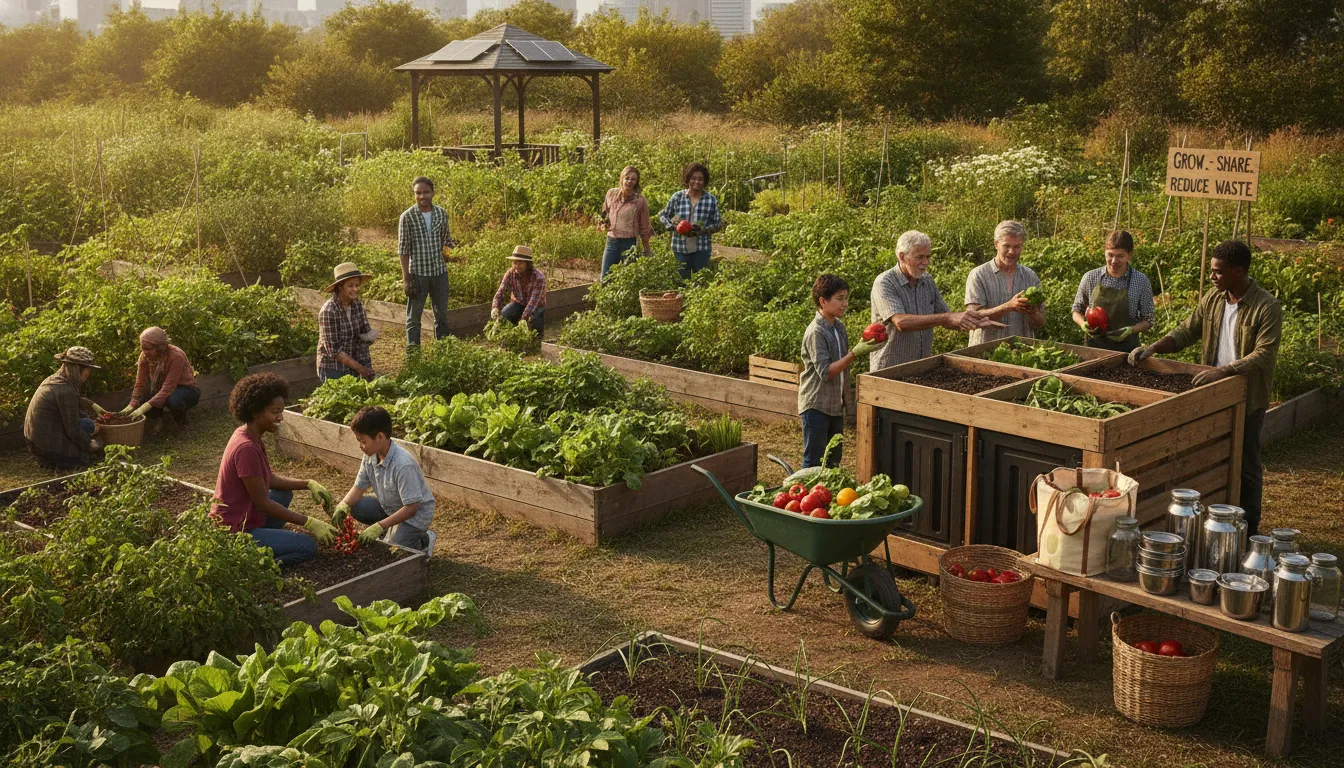
It may seem like storing lettuce differently is something too small to matter. But when we multiply this gesture by millions of households, the effect is real and measurable. Reducing household food waste means less food going to landfills (where it releases methane, a potent greenhouse gas), less demand for intensive agricultural production, and less pressure on natural resources like water and soil.
Adopting a sustainable diet goes beyond choosing what to eat — it also involves how we store, use, and dispose of the foods we already have at home. Every step counts.
Smart food preservation is one of those rare solutions that benefits the environment, your health, your time, and your budget at the same time. Start with one habit from this list today — you don’t need to do everything at once. Choose what makes most sense for your routine, experiment for two weeks, and observe the difference in your vegetable drawer and your organic waste.
The planet thanks you. And so does your wallet.
