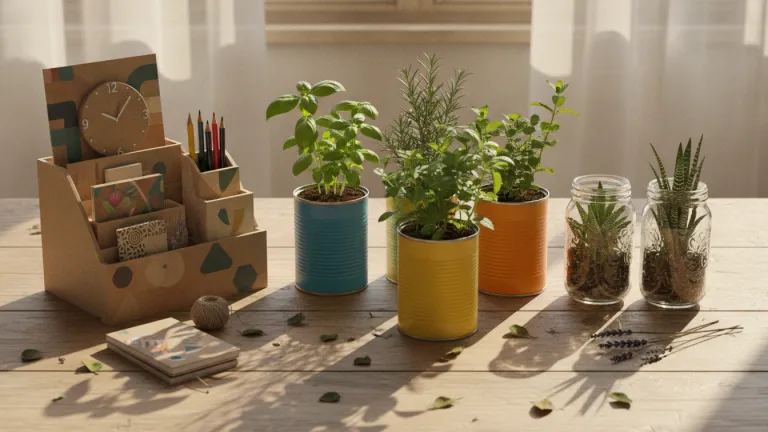
Every year, tons of packaging are discarded in Brazilian landfills and dumps. Glass jars, cardboard boxes, PET bottles, aluminum cans, yogurt containers — objects we use for days or weeks that, once emptied, go straight to the trash as if they had no more value. But the truth is that many of these packages have a second, third, or even fourth life waiting for them right inside your own home.
Reusing packaging before discarding it is one of the simplest and most accessible practices within the sustainability “Rs” philosophy — and it comes before recycling in the waste hierarchy. While recycling still requires energy, logistics, and industrial processing, reusing only demands creativity and a little willingness. It’s a concrete, affordable action that anyone can start today, without needing special equipment or much space.
In this article, you’ll find practical ideas organized by packaging type to transform what would be trash into something useful, beautiful, and functional. Whether for organizing your home, growing plants, storing food, or creating projects with children, the possibilities are much broader than they first appear.
Why Reusing Packaging Is More Than a Hobby: The Real Impact
Before getting to the practical tips, it’s worth understanding why this choice matters. Brazil generates large volumes of urban solid waste every year, and a significant portion of this total consists of packaging — plastic, glass, metal, and paper. Much of this material could be reused or recycled, but it still ends up being improperly discarded.
The production of new packaging requires natural resources, energy, and emits greenhouse gases. When you reuse packaging, you’re preventing a new product from needing to be manufactured to fulfill the same function — and delaying (or eliminating) the disposal of the one that already exists. This reduces pressure on collection systems, landfills, and recycling facilities.
Additionally, reusing has a powerful educational effect: when you start seeing packaging as resources rather than trash, your relationship with consumption begins to change more broadly. This is the type of habit that, combined with other daily choices, creates a truly more sustainable routine — as you can see in the article Sustentabilidade no Dia a Dia: Hábitos que Fazem Diferença.
Reusing Glass Jars: Versatility and Durability
Glass jars are among the most versatile packaging that exists. They’re washable, durable, don’t absorb odors, and look beautiful both on kitchen shelves and in decorative corners.
Practical uses for glass jars at home
- Bulk food storage: beans, rice, lentils, granola, coffee, spices, flour — everything is better stored in well-sealed glass jars than in open plastic bags.
- Utensil holders: larger jars are great for storing pencils, brushes, scissors, and other office or craft supplies.
- Small plant pots: succulents, cacti, and aromatic herbs like basil and chives adapt well to glass jars with a layer of pebbles at the bottom for drainage.
- Candle holders: a glass jar with a candle inside creates an elegant and cozy lantern effect.
- Hygiene product containers: cotton balls, cotton swabs, hair clips, and other bathroom items stay organized with a clean look in glass jars with lids.
Cleaning tip: before reusing, wash well with hot water and soap, remove labels (which come off easier with a cloth soaked in vegetable oil), and let dry completely.
What to Do with Plastic Packaging Before Discarding
Plastic is the most abundant type of packaging in household waste and also the one that causes the most environmental concern. The priority should be reducing disposable plastic consumption, but while it’s still part of our reality, reusing before discarding is the way forward.
Step by step: mini garden with PET bottles
- Choose clean 2-liter PET bottles without labels.
- Cut the bottle in half horizontally, using sturdy scissors or a utility knife.
- Make small holes in the bottom of the lower half for water drainage.
- Place a layer of pebbles or expanded clay at the bottom, followed by potting soil.
- Plant seeds or seedlings of herbs like parsley, chives, mint, or basil.
- Position in a location with adequate light — windows facing north or east work well.
- Water moderately and monitor growth.
This mini garden is especially useful in apartments with limited space and can be installed vertically on the wall using string or nails, creating a functional and decorative hanging garden.
Other uses for plastic packaging
- Ice cream and margarine containers: excellent for storing food leftovers in the refrigerator or organizing small items in drawers.
- Long-life milk cartons (Tetra Pak): can become pencil holders, drawer organizers, or small pots for seedlings.
- Plastic caps: collected in quantity, they can be delivered to solidarity recycling programs present in many Brazilian cities.
Cardboard Boxes: Organization and Creativity
Cardboard boxes are abundant, especially for those who shop online frequently. They have a rigid structure and can be adapted in various ways.
Practical ideas for cardboard boxes
- Drawer organizers: cut smaller boxes (medicine boxes, tea boxes, small detergent boxes) to the desired height and use them to divide underwear drawers, kitchen utensils, or stationery items.
- Decorated storage boxes: cover larger boxes with kraft paper, fabric, or old magazine pages to create storage containers with a polished appearance.
- Toys and playhouses for children: large appliance boxes transform into houses, castles, cars, or spaceships with a little paint and imagination — an excellent activity to entertain and stimulate children’s creativity.
- Composting: non-laminated cardboard can be cut into pieces and added to the compost bin as dry material (carbon), alternating with food scraps.
Caution: avoid reusing boxes that stored chemicals, pesticides, or potentially toxic substances, especially if you’re going to store food or use them with children.
Aluminum and Metal Cans: Durability in Favor of Creativity
Aluminum cans (from beverages) and metal cans (from preserves, tomato paste, powdered milk) are durable, washable, and look good when clean and, if desired, painted.
How to transform cans into useful objects
| Can type | Suggested use | What you need |
|---|---|---|
| Beverage can (aluminum) | Decorated pencil holder | Sandpaper, spray paint, brush |
| Preserve can (metal) | Small pot for plants or herbs | Hammer, nail (to make holes) |
| Powdered milk can (large) | Kitchen utensil holder | Cleaning and optional: contact paper |
| Empty paint can (large) | Dry waste bin or auxiliary composter | Careful cleaning |
Watch out for edges: when cutting or piercing metal cans, edges can become sharp. Wear gloves and, if necessary, sand the edges with coarse sandpaper before using the object.
Packaging as an Educational and Social Resource
Reusing packaging doesn’t have to be an individual practice. There are beautiful ways to expand this idea to the collective.
- In schools: art and science projects with reusable materials are widely used to develop environmental awareness and creativity with children and teenagers.
- In communities and cultural centers: upcycling workshops — creative transformation of waste into new products — have been growing in Brazil as a way to generate income and strengthen communities.
- At fairs and local markets: creative entrepreneurs sell products made from reused packaging, such as bags from coffee packaging, lamps from glass bottles, and vases from decorated cans.
If you have craft skills, consider not only reusing for your own use but also teaching someone nearby or participating in local initiatives that promote this practice.
When Reusing Isn’t Enough: Time to Recycle Correctly
Even with all the creativity in the world, there will come a time when packaging no longer has any use for you. In that case, recycling is the next step — but it needs to be done correctly to actually work.
- Clean the packaging before placing it in selective collection: food residue contaminates other recyclable materials.
- Separate by category: paper, plastic, metal, and glass have different destinations.
- Check selective collection in your city: not all Brazilian municipalities have door-to-door collection. In many cases, eco-points are the best alternative.
- Pay attention to plastic: not all plastic is accepted in regular recycling. Dirty, metallic, or multi-material packaging (like some snack packages) usually goes to conventional waste even when separated.
Conclusion: Your Home as a Sustainability Laboratory
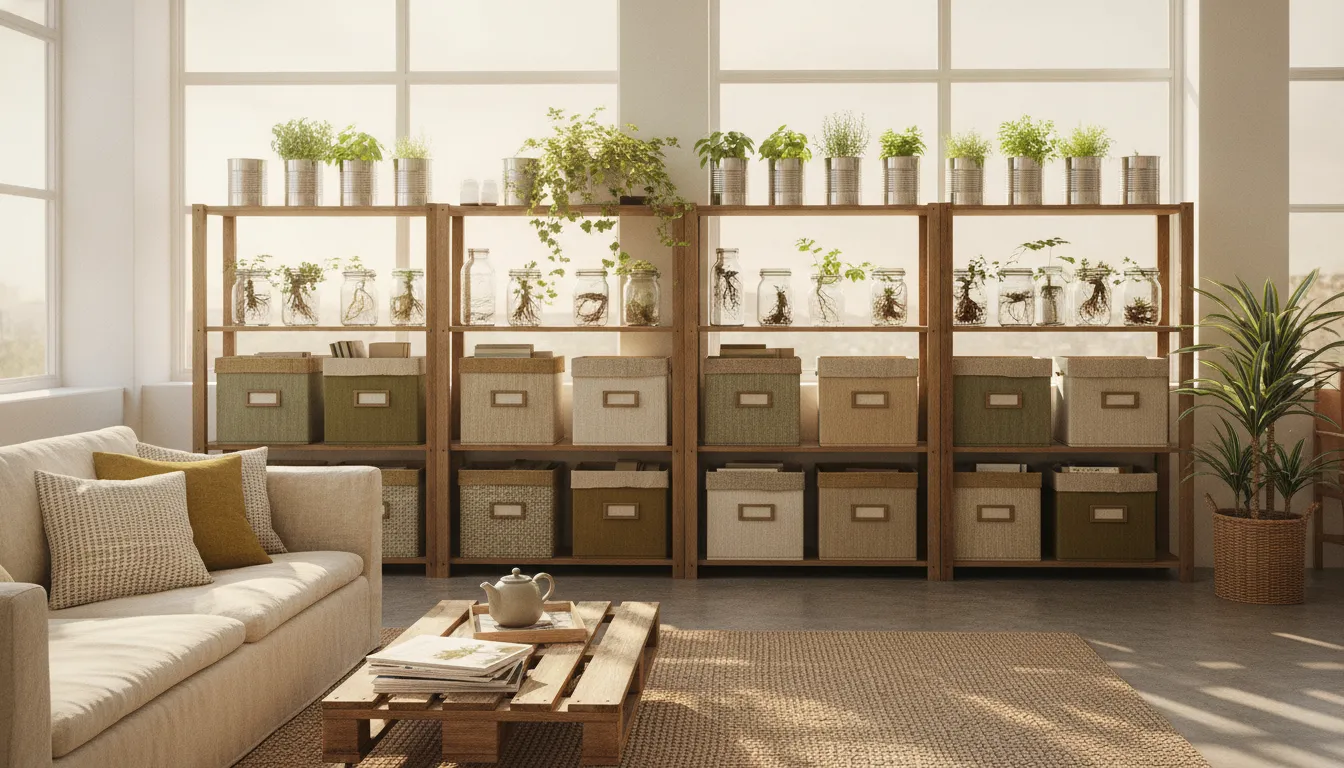
Reusing packaging is a seemingly small gesture, but it carries a powerful logic: that what already exists has value before becoming waste. Every glass jar turned into a small vase, every cardboard box that becomes an organizer, every can that gains a new function represents a concrete step toward more conscious consumption.
You don’t need to do everything at once. Start with one piece of packaging that’s in your trash today. Experiment. Adapt it to your space, your lifestyle, your needs. And invite someone to do the same — because sustainability is built in community, one habit at a time.
If you want to continue exploring practical ways to reduce your environmental impact in daily life, also read about Sustentabilidade no Dia a Dia: Hábitos que Fazem Diferença — you’ll find even more ideas to apply today.
