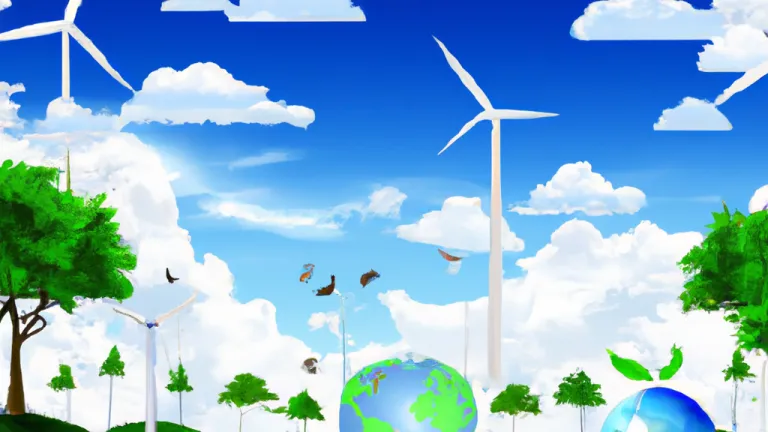
Global Warming: Transforming Our Planet with Impacts and Solutions
Global warming is one of the most significant environmental challenges we face today. The rise in average global temperatures is causing a series of devastating impacts across the planet, from extreme weather changes to the loss of habitats and species. In this article, we will explore how global warming is transforming our planet, discuss the major impacts we are facing, and present some solutions to tackle this crisis.
Impacts of Global Warming
Global warming is causing a range of impacts worldwide, affecting both the environment and human communities. Some of the main impacts include:
1. Rising Temperatures
One of the most visible consequences of global warming is the increase in average temperatures worldwide. This has led to more frequent heatwaves, droughts, and wildfires, affecting both natural ecosystems and human communities.
2. Melting Polar Ice Caps
Global warming is causing the accelerated melting of polar ice caps and glaciers worldwide. This contributes to rising sea levels, threatening coastal communities and vulnerable ecosystems.
3. Changes in Precipitation Patterns
Global warming is also causing changes in precipitation patterns globally, resulting in more frequent flooding in some regions and prolonged droughts in others. This can have serious consequences for agriculture, food security, and the availability of drinking water.
Solutions to Combat Global Warming
Given the devastating impacts of global warming, it is crucial that we take urgent measures to reduce greenhouse gas emissions and mitigate the effects of climate change. Some solutions include:
1. Transition to Renewable Energy
One of the most effective ways to reduce greenhouse gas emissions is to invest in renewable energy, such as solar, wind, and hydropower. These clean energy sources are abundant and carbon-free, helping to mitigate the effects of global warming.
2. Conservation of Forests and Natural Ecosystems
Forests and natural ecosystems play a crucial role in climate regulation and carbon absorption from the atmosphere. Protecting these areas and restoring degraded ecosystems can help reduce greenhouse gas emissions and preserve biodiversity.
3. Adoption of Sustainable Agricultural Practices
Agriculture is a major source of greenhouse gas emissions due to deforestation, fertilizer use, and poor soil management. Adopting sustainable agricultural practices, such as regenerative agriculture and agroecology, can help reduce emissions and make food production more resilient to climate change.
Conclusion
Global warming is transforming our planet in alarming ways, causing devastating impacts on natural ecosystems and human communities. To address this crisis, it is essential that we take urgent measures to reduce greenhouse gas emissions and mitigate the effects of climate change. Investing in renewable energy, conserving forests and natural ecosystems, and adopting sustainable agricultural practices are some of the solutions that can help combat global warming and protect our planet for future generations.
To learn more about how to preserve biodiversity and make a difference for a more sustainable planet, check out the following posts on our blog:
Explore the Incredible Biodiversity of Our Planet: Understanding and Preserving It
5 Simple Ways to Make a Difference: Recycling for a More Sustainable Planet
5 Steps to Become an Environmental Advocate: Environmental Education in Action
